

The Authority in Global Agricultural Chemistry & Bio-Resources
FDA Tightens Checks on Imported Food Enzymes
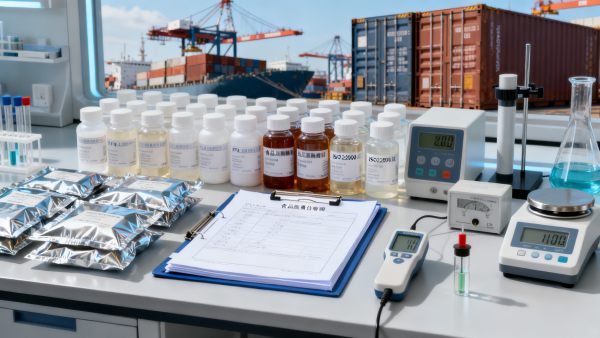
On June 26, 2026, the U.S. Food and Drug Administration (FDA) moved to tighten import scrutiny on Food Grade Enzymes by requiring full electronic pre-declaration review for all imported shipments. For exporters, importers, and supply chain teams serving the U.S. market, the immediate concern is not only regulatory review itself, but whether ISO 22000 certification status and batch-level enzyme activity reports can be presented in a form that clears review without triggering port inspection or detention.
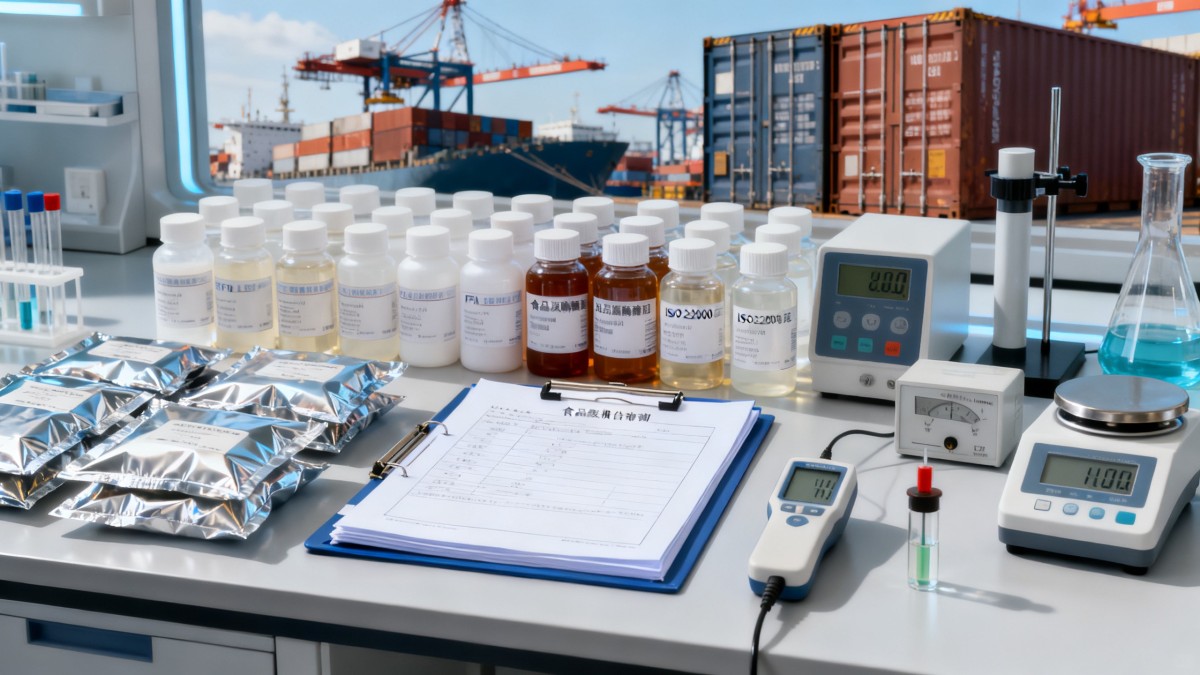
What the FDA Notice Confirms
According to the information provided, the FDA issued its 2026 enhanced import supervision notice for food enzymes to global exporters on June 26, 2026. From that date, all imported Food Grade Enzymes are subject to 100% electronic pre-declaration review.
The review focus includes two elements: the status of ISO 22000 food safety management system certification, and batch-by-batch enzyme activity test reports. The batch reports are described as needing to include pH and temperature specificity data.
The same information states that shipments failing to meet these requirements will automatically be routed to physical inspection at the port and may be detained for up to 30 days. China is identified as the main affected exporting country.
Where the Pressure May Show Up First
Export documentation and customs filing
From an industry perspective, direct trading companies and export teams may feel the impact first because the new review starts at the electronic pre-declaration stage. If supporting documents are incomplete, inconsistent, or not aligned shipment by shipment, the disruption would likely appear before goods move smoothly through port clearance.
Procurement and supply continuity
For buyers sourcing imported food enzymes, the practical issue is continuity of supply. Analysis shows that when a shipment faces physical inspection or detention, the effect is not limited to compliance paperwork; it can also influence ordering schedules, incoming material planning, and communication between supplier and customer.
Manufacturing schedules tied to enzyme inputs
Processing and manufacturing businesses that rely on food-grade enzymes should pay attention to delivery timing risk. Observably, if an imported batch is held for up to 30 days, production planning, batch release timing, and raw material coordination may all require closer monitoring, especially where the enzyme input is tied to a specific production window.
Logistics and service providers supporting cross-border shipments
Supply chain service providers, including customs support and shipment coordination teams, may need to pay closer attention to whether documentation is complete before cargo arrival. The operational pressure here is likely to center on pre-arrival document checks, exception handling, and client communication when a filing is flagged for further review.
What Companies Should Watch Now
Whether ISO 22000 status is current and clearly documented
What deserves closer attention is whether certification status can be presented clearly during pre-declaration review. The issue is not simply whether a company holds certification, but whether the relevant status is ready to be matched with the shipment under review.
Whether batch reports are complete at the shipment level
The FDA focus described in the provided information is batch-specific rather than general product-level description. Companies should therefore pay close attention to whether each batch file includes enzyme activity data together with the stated pH and temperature specificity information.
The difference between having documents and clearing review
Analysis shows that this notice should be read as an execution issue as much as a compliance issue. A company may already maintain internal quality documents, but the immediate business question is whether those materials are organized in a way that supports electronic pre-declaration review without delay.
Delivery commitments and customer communication
Businesses serving U.S. customers should also watch the contract and communication side of the issue. If a shipment becomes subject to physical inspection or detention, timeline management, customer notice, and contingency planning may become as important as the underlying technical documents.
How This Development May Be Understood
Analysis shows that this is more than a routine customs formality because the review applies to all imported Food Grade Enzymes and is tied directly to shipment release risk. At the same time, it is more appropriate to understand this as an active regulatory signal rather than a completed market outcome. The confirmed facts establish tighter scrutiny and clearer document expectations, but the broader commercial effect will depend on how consistently the requirements are enforced across actual shipments.
Observably, the notice deserves continued attention because it connects food safety system status with batch-level technical reporting in the import review stage. That combination matters to companies not only for compliance reasons, but also for shipment predictability and commercial execution.
Why the Industry Should Keep Tracking It
At this stage, the development is best read as an immediate operational change with broader implications still unfolding. The near-term meaning is clear: import clearance for Food Grade Enzymes entering the U.S. has become more document-sensitive, and the cost of missing paperwork may now include inspection and detention. The longer-term meaning still requires observation, particularly in how exporters, importers, and buyers adjust their document workflows and delivery expectations.
Basis of This Article
This article is based on the user-provided news title, event date, and event summary concerning the FDA's June 26, 2026 enhanced import supervision notice for Food Grade Enzymes. Specific official source links were not provided in the input, so the underlying notice and any later clarifications still need to be continuously verified.
For this type of development, commonly relevant source categories may include official regulatory notices, company disclosures, industry association updates, authoritative media reporting, and standard-related documents. Further attention should remain on any subsequent official wording changes, implementation details, and follow-up guidance affecting shipment review and port handling.
Related Intelligence
- Food Grade EnzymesIs There a Global Standard for Biochemical Engineering Product Quality?Is there a global standard for biochemical engineering product quality? Explore GMP, ISO, traceability, and supplier checks for confident global sourcing.
- Food Grade EnzymesHow Enzymes for Cracker Formulation Improve Texture and Shelf LifeEnzymes for cracker formulation can enhance dough handling, crisp texture, and shelf life. Explore targeted enzyme strategies for consistent, high-quality crackers.
- Food Grade EnzymesWhat to Look for in Enzyme Blend Ingredients for Food and Supplement FormulasExplore enzyme blend ingredients for food and supplement formulas—learn how to assess activity, stability, compliance, and performance for smarter sourcing.
The Morning Broadsheet
Daily chemical briefings, market shifts, and peer-reviewed summaries delivered to your terminal.
