

The Authority in Global Agricultural Chemistry & Bio-Resources
ECHA Tightens BPR Entry Proof for Botanical Extracts
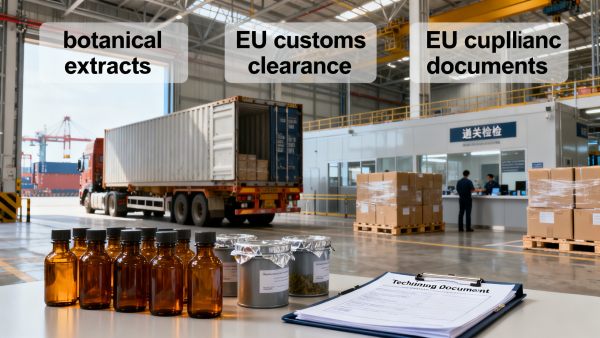
On June 26, 2026, the European Chemicals Agency (ECHA) announced an emergency revision to Annex I of the Biocidal Products Regulation (BPR), introducing a near-term documentation threshold for botanical-extract products containing plant-derived active ingredients. For exporters, import-side buyers, compliance teams, and supply-chain operators connected to biopesticides and natural preservative applications, the change is worth close attention because it links market access and customs clearance in the EU to active substance authorization status from July 1, 2026.
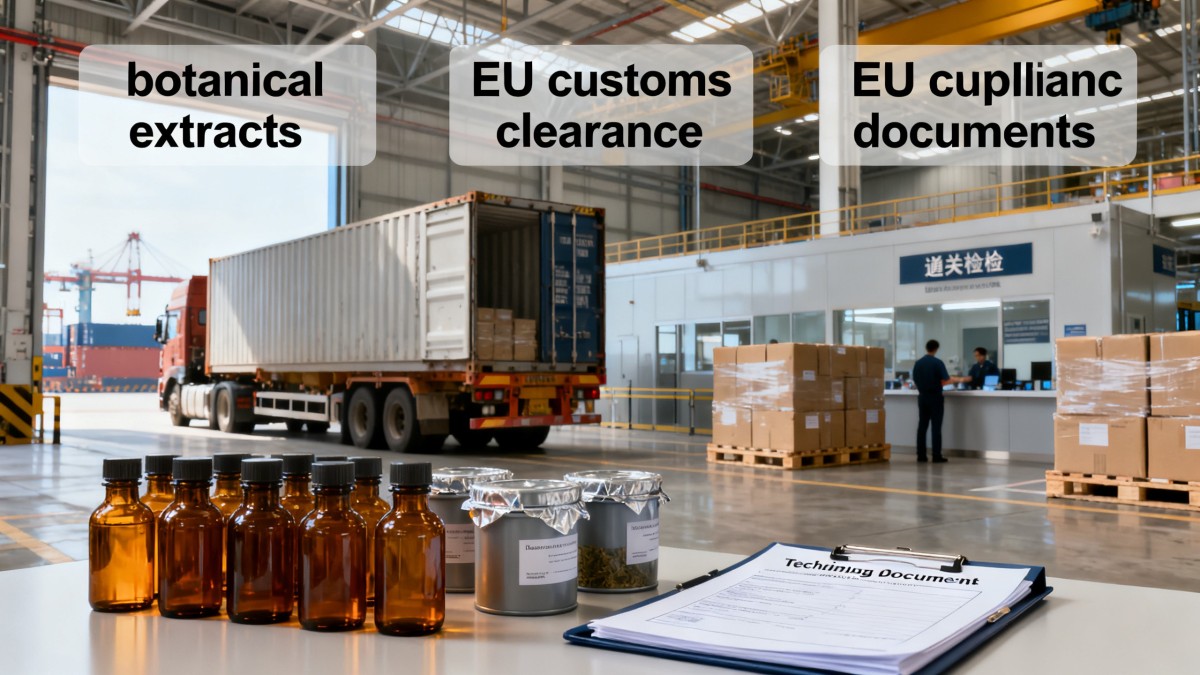
A documented change in EU market-entry conditions
According to the information provided, ECHA issued the notice on June 26, 2026 and urgently revised Annex I under the BPR. The revision applies to Botanical Extracts used in biopesticides and natural preservative products when they contain plant-based active substances, including examples such as azadirachtin and tea tree oil derivatives.
From July 1, 2026, these products must either hold an active substance authorization (ASR) issued by ECHA or be included on a transitional approval list. Without one of those two conditions being met, the products cannot complete placement on the EU market or customs clearance. The adjustment is described as directly affecting the compliance pathway of more than 1,200 Chinese plant extract exporters serving the EU market.
Where the pressure is likely to appear first
Export shipments facing a new document gate
From an industry perspective, direct exporters are likely to feel the impact first because the rule change is tied to whether products can enter the EU market and clear customs. What deserves closer attention is the shift from a product description issue to a market-access proof issue: companies shipping botanical extracts for biocidal or preservative use now need to confirm whether the relevant active substance is supported by an ASR or appears on the transitional list before dispatch and import handling.
Procurement and sourcing decisions may need earlier screening
For procurement teams and buyers, the practical issue is supplier qualification. If a botanical extract is intended for regulated downstream use, purchasing decisions may need to account for authorization status at an earlier stage. Observably, this does not only affect price and availability discussions; it also affects whether a sourced material can move through the intended EU compliance path without interruption.
Manufacturing and formulation teams may need tighter ingredient review
Processors and manufacturers working with plant-derived active ingredients may need to review formulations and material classifications more carefully. Analysis shows that the immediate business risk sits around ingredient-level compliance confirmation, product release timing, and the completeness of supporting technical and regulatory files used in export and market-entry procedures.
Service providers around compliance and delivery may also be pulled in
Certification-related firms, testing service providers, logistics coordinators, and trade support teams may also be affected because customers are likely to ask for clearer documentation trails. The main concern is whether shipment files, product dossiers, and transaction documents align with the new authorization-based requirement before cargo reaches EU entry points.
What companies should verify now
Check whether the active substance status is already supportable
Analysis shows that the first task is to verify whether the relevant plant-derived active substance already has an ECHA-issued ASR or is included on the transitional approval list referenced in the notice. Where that status is unclear, companies should avoid treating existing product documentation as sufficient for EU placement or clearance.
Review trade documents and technical files used in transactions
What deserves closer attention is whether contracts, specification sheets, declarations, technical descriptions, and related compliance files are consistent with the regulatory status required from July 1, 2026. Even where no additional execution detail has been provided, firms involved in export transactions should check whether their current paperwork can support customs and market-entry review.
Reassess shipment timing and order planning
Observably, the short interval between the June 26 notice and the July 1 effective point makes delivery planning a practical concern. Companies with pending shipments, near-term tenders, or active replenishment cycles may need to recheck whether the compliance basis for those orders remains valid under the updated requirement.
Watch for how the requirement is described in implementation materials
Because the input does not provide detailed enforcement guidance, it is more appropriate to understand the current position as a confirmed rule change with execution details still worth monitoring. Companies should therefore pay attention to later official wording, customer-side compliance requests, and any changes in tender, onboarding, or import documentation requirements.
Why this reads as more than a routine notice
Analysis shows that this development is significant less because of broad policy language and more because it introduces a direct access condition tied to authorization proof. It is more appropriate to understand this as an execution signal with immediate commercial consequences for affected Botanical Extracts, especially where EU placement and customs handling depend on documentary readiness. At the same time, observably, the market still needs clearer visibility on how consistently the requirement will be reflected across procurement files, import checks, and downstream compliance reviews.
How the market may need to interpret the change
At this stage, the most balanced reading is that the ECHA notice marks a live compliance threshold rather than a distant policy discussion. For affected exporters and related supply-chain participants, the issue is not simply regulatory awareness; it is whether authorization status can be demonstrated in time for shipments and transactions linked to the EU market. Further conclusions on the depth of disruption should remain cautious until more execution-level feedback and documentation practice become visible.
Basis of this article and what still needs verification
This article is based on the user-provided news title, event date, and event summary. For developments of this kind, relevant source categories typically include official notices, regulator publications, customs or trade administration information, industry association updates, standard-setting documents, and reporting from established industry media. A specific official source link was not provided in the input, so the exact publication record still requires follow-up verification. Observably, the points that still merit continued tracking include detailed implementation language, certification and authorization interpretation, changes in tender or procurement documents, market feedback, and how affected companies execute against the new requirement in practice.
Related Intelligence
- Botanical ExtractsChoosing Botanical Extracts for Pharmaceuticals: Potency, Purity, and ComplianceBotanical extracts for pharmaceuticals: learn how to assess potency, purity, traceability, and GMP compliance for confident, regulatory-ready supplier selection.
- Botanical ExtractsBotanical Extracts Market Outlook: Supply, Pricing, and Buyer RisksBotanical extracts market insights on supply, pricing, quality control, and buyer risks—compare suppliers confidently and protect your sourcing strategy.
- Botanical ExtractsEurope Botanical Extracts Market: Key Growth Drivers, Risks, and OpportunitiesEurope botanical extracts market insights: explore growth drivers, regulatory risks, supply-chain challenges, and scalable opportunities for compliant, high-value ingredients.
The Morning Broadsheet
Daily chemical briefings, market shifts, and peer-reviewed summaries delivered to your terminal.
