

The Authority in Global Agricultural Chemistry & Bio-Resources
EU REACH Adds 12 Botanical Extracts to SVHC List
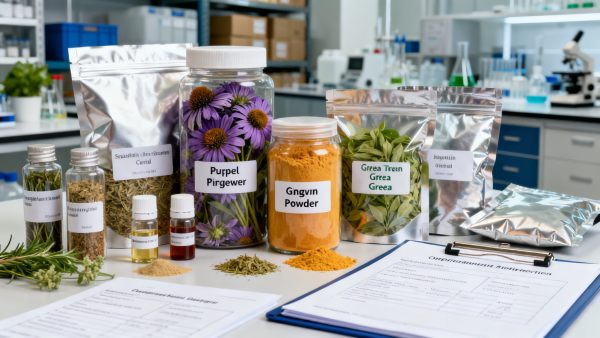
On August 6, 2026, the European Chemicals Agency (ECHA) formally added 12 commonly used botanical extracts, including echinacea, curcumin, and green tea polyphenols, to the SVHC Candidate List under EU REACH. For exporters of Botanical Extracts products, the immediate issue is not only the listing itself but the compliance deadline that follows: from November 1, 2026, mixtures or articles containing any of these substances at concentrations of 0.1% or above must be accompanied by SCIP notification information and a safety data statement for downstream importers. This development is particularly relevant to Chinese export manufacturers, traders, and compliance teams because it may affect REACH-related documentation, customer communication, and delivery timing.
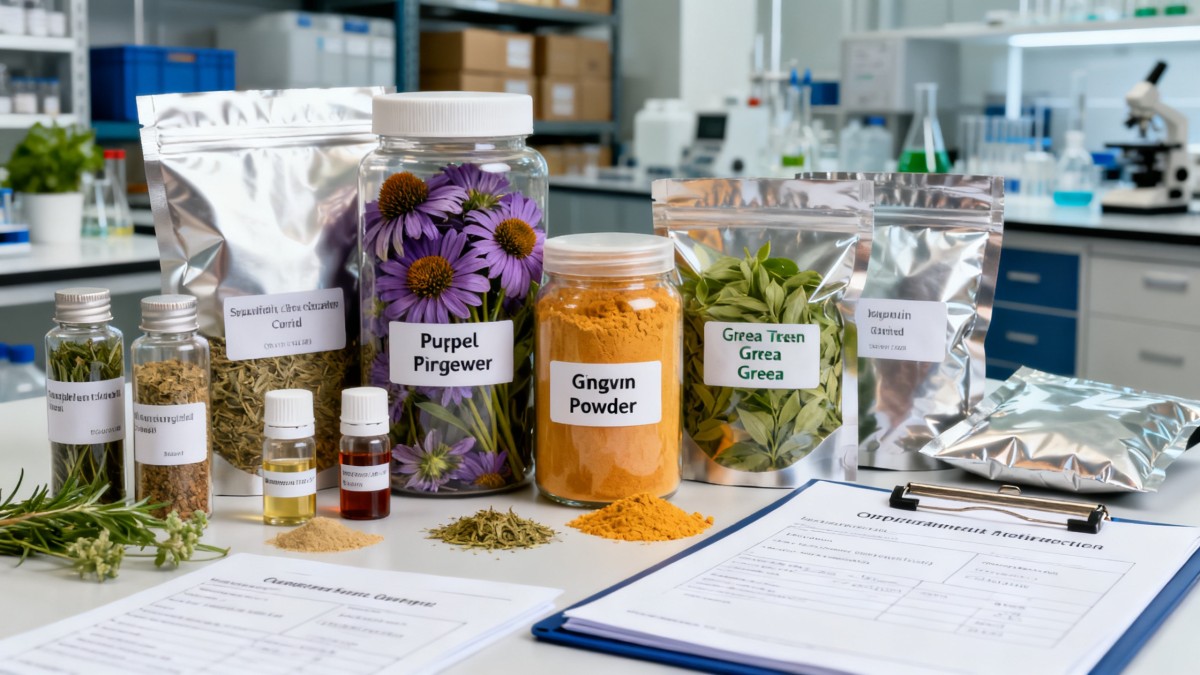
What Has Been Confirmed So Far
According to the information provided, ECHA announced on August 6, 2026 that 12 commonly used botanical extracts were added to the SVHC Candidate List. The affected category involves Botanical Extracts export products, and the examples specifically mentioned include echinacea, curcumin, and green tea polyphenols.
The new requirement will apply from November 1, 2026. Where any one of the listed substances is present in a mixture or article at a concentration of 0.1% or higher, the supplier must provide SCIP notification information and a safety data declaration to downstream importers.
The information provided also makes clear that this change directly affects the CE/REACH compliance pathway and order delivery cycle of Chinese botanical extract exporters.
Where the Pressure May Appear Along the Export Chain
Exporters may face tighter document preparation windows
From an industry perspective, direct trading companies are likely to feel the effect first in customer-facing compliance work. Once a listed substance reaches the stated threshold, exporters may need to confirm whether existing product files, declaration materials, and importer-facing compliance documents are still sufficient for shipments scheduled after November 1, 2026.
Processing and manufacturing operations may need faster substance screening
For processors and manufacturers, the practical impact may center on formula review, concentration confirmation, and product classification. Analysis shows that the key issue is whether any covered botanical extract in a mixture or article reaches the 0.1% threshold that triggers the notification and statement obligations.
Importers and downstream buyers may ask for earlier clarification
Downstream importers and procurement teams may focus on whether suppliers can provide complete SCIP-related information and safety statements on time. In business terms, this can affect order confirmation, document review, and acceptance of delivery schedules, especially where compliance paperwork is tied to customs clearance or internal sourcing approval.
Supply chain service providers may see more coordination work
For compliance service providers and other supply chain support roles, the change may increase demand for substance identification, document matching, and timing coordination between suppliers and importers. What deserves closer attention is that the rule takes effect on a fixed date, which can compress the preparation window for shipments already in planning.
What Companies Should Watch Before November 2026
Check whether core export products fall within the affected scope
The first operational issue is product mapping. Companies dealing in Botanical Extracts should verify whether their export portfolio includes any of the 12 listed substances, particularly where echinacea, curcumin, green tea polyphenols, or related extract-based products are involved.
Separate listing facts from execution requirements
Observably, the listing itself and the downstream compliance workload are related but not identical. Companies should pay close attention to how the threshold condition of 0.1% applies to their mixtures or articles, because that is the point at which SCIP notification information and safety data statements become relevant in practice.
Review customer communication and delivery planning
For export teams, customer communication should not wait until the effective date. The information provided indicates a direct effect on order delivery cycles, so companies may need to align documentation readiness, buyer notice, and shipment scheduling well before November 1, 2026.
Pay attention to supplier files and supporting documentation
Where production depends on upstream sourcing, companies may need to confirm whether supplier specifications and supporting files are detailed enough to support downstream declarations. In practical terms, this is less about general management and more about whether the required compliance materials can be produced without delaying orders.
Why This Looks Like More Than a Routine Update
Analysis shows that this is not just a technical list revision for laboratories or regulatory staff. Because the requirement links a substance threshold to importer-facing SCIP notification and safety documentation, the change reaches into commercial execution, especially for exporters serving the EU market.
It is more appropriate to understand this as a near-term compliance trigger with longer-term signaling value. The near-term issue is clear: companies shipping affected products after November 1, 2026 may need to adjust documentation and delivery preparation. The longer-term signal is that botanical extract products are facing closer scrutiny within the REACH framework, although the full commercial impact still requires continued observation.
How This Update Is Best Understood at Present
At this stage, the most balanced reading is that the August 6 listing creates a defined compliance milestone rather than an automatic market outcome. The confirmed facts already matter for exporters because the effective date, threshold condition, and importer-facing obligations are specific. At the same time, broader effects on transactions, customer requirements, and delivery cycles should still be understood as business impacts that may vary by product and order structure.
For industry participants, the immediate value of this update lies in early verification: identifying affected products, clarifying documentation duties, and reducing the risk of disruption around the November 2026 deadline.
Basis of This Article and Points Requiring Ongoing Verification
This article is based on the user-provided news title, event date, and event summary concerning ECHA's August 6, 2026 addition of 12 botanical extracts to the SVHC Candidate List and the compliance implications from November 1, 2026.
For this type of regulatory development, relevant source categories usually include official notices, company disclosures, industry association updates, authoritative media reports, and standard or regulatory documents. No specific official source link was provided in the input, so the exact official publication path still requires ongoing verification.
Further attention should remain on any subsequent official wording, compliance interpretation, and implementation details that may affect SCIP notification practice, safety data documentation, and exporter-importer coordination.
Related Intelligence
- Botanical ExtractsChoosing Botanical Extracts for Pharmaceuticals: Potency, Purity, and ComplianceBotanical extracts for pharmaceuticals: learn how to assess potency, purity, traceability, and GMP compliance for confident, regulatory-ready supplier selection.
- Botanical ExtractsBotanical Extracts Market Outlook: Supply, Pricing, and Buyer RisksBotanical extracts market insights on supply, pricing, quality control, and buyer risks—compare suppliers confidently and protect your sourcing strategy.
- Botanical ExtractsEurope Botanical Extracts Market: Key Growth Drivers, Risks, and OpportunitiesEurope botanical extracts market insights: explore growth drivers, regulatory risks, supply-chain challenges, and scalable opportunities for compliant, high-value ingredients.
The Morning Broadsheet
Daily chemical briefings, market shifts, and peer-reviewed summaries delivered to your terminal.
