

The Authority in Global Agricultural Chemistry & Bio-Resources
China Ships Record Green Ammonia Cargo to South Korea

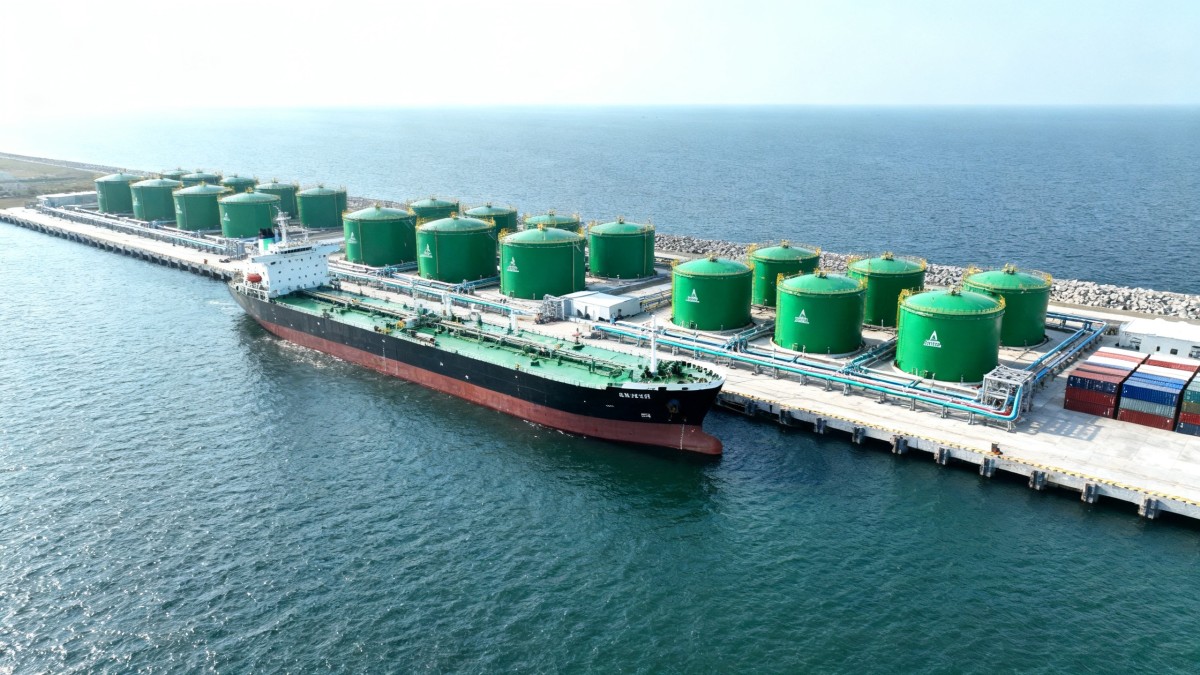
On July 28, 2026, a 3,750-ton green ammonia cargo was loaded at Lianyungang under an FOB arrangement for shipment to South Korea, setting a new record for the largest single-batch green ammonia export disclosed to date. For exporters and overseas buyers tied to Botanical Extracts, Natural Ingredients, and Green Chemistry, the development is worth close attention because it points to a more concrete stage of commercial delivery capability within China’s low-carbon chemical supply chain.
A confirmed step into commercial cross-border delivery
The confirmed facts are limited but clear. The shipment took place on July 28, 2026, with 3,750 tons of green ammonia departing for South Korea from Lianyungang on an FOB basis. According to the provided event summary, this was the world’s largest single-batch green ammonia export so far. The event also indicates that China has formally demonstrated commercial delivery capability in the international supply chain for low-carbon chemical products.
The same summary directly links the shipment to exporters and overseas buyers active in Botanical Extracts, Natural Ingredients, and Green Chemistry. It also points to two practical signals: progress in bringing green hydrogen derivative capacity into actual export activity, and a maturing level of international certification readiness.
Why different market participants may pay attention
Exporters watching low-carbon product positioning
From an industry perspective, direct trade companies may be affected because the shipment turns green ammonia from a technical or policy-linked topic into a visible export delivery case. The immediate impact is less about broad market conclusions and more about how exporters frame product credibility, delivery capability, and certification readiness in overseas discussions. What deserves closer attention is whether customers begin asking more specifically about low-carbon attributes, delivery terms, and supporting documentation across adjacent product categories.
Overseas buyers assessing supply reliability
For overseas procurement teams, especially those connected to Botanical Extracts, Natural Ingredients, and Green Chemistry, the significance lies in proof of execution at commercial scale. The relevant business impact is likely to appear in supplier screening, qualification review, and contract communication. Observably, buyers may pay closer attention to whether suppliers can move from sustainability claims to documented cross-border fulfillment.
Supply chain service providers tracking execution standards
Supply chain service providers may also need to watch this development because FOB shipment execution at this scale puts more focus on cargo handling, documents, handover clarity, and timing control. Analysis shows that the practical implication is not only about the product itself, but also about whether supporting logistics and trade processes can match low-carbon chemical export requirements without creating delivery friction.
What companies should watch next in practical terms
How certification readiness is presented
The event summary highlights international certification maturity, which means companies in related export chains should pay attention to how supplier qualifications and supporting materials are communicated to overseas customers. This is not the same as assuming one standard or one approval route now applies across all transactions; it means documentation quality and consistency may become more visible in commercial exchanges.
The difference between one shipment and a stable trading pattern
What deserves closer attention is the distinction between a completed landmark shipment and a fully established long-term trading pattern. Companies should avoid overstating certainty in customer communication. Instead, they should watch for follow-up disclosures, repeat deliveries, and any clearer rule or market language that helps define how this kind of transaction is recognized in ongoing business practice.
Contract, delivery, and customer communication discipline
For exporters, traders, and service providers, the practical takeaway is to review how delivery terms, lead times, supporting papers, and handover responsibilities are explained to customers. For buyers, the same event supports closer review of supplier execution records and document preparedness. In adjacent categories such as Botanical Extracts, Natural Ingredients, and Green Chemistry, this may matter less as a direct product substitution issue and more as a signal that low-carbon supply credentials are becoming a firmer part of trade conversations.
Which business links may feel the change first
Analysis shows that the first effects are more likely to appear in procurement dialogue, supplier qualification, and export documentation than in immediate broad-based market restructuring. Companies involved in cross-border supply should therefore focus on the front end of deals: qualification checks, specification communication, and delivery planning.
How this development is better understood at this stage
Observably, this news is better understood as a strong commercial signal rather than as proof that the wider market has already settled into a mature, repeatable pattern. The confirmed facts show that a record-scale shipment has been executed and that China’s commercial delivery capability in this part of the low-carbon chemical chain has been demonstrated. The analysis, however, still needs to remain measured: one milestone shipment does not by itself establish long-term pricing norms, purchasing behavior, or category-wide demand stability.
From an industry perspective, the more meaningful point is that discussion around green hydrogen derivatives is moving closer to actual trade performance. That is why adjacent sectors are watching. When a low-carbon product moves through a real export transaction at record single-batch scale, qualification, delivery discipline, and customer confidence become more concrete business issues.
A milestone with practical, not unlimited, implications
This development matters because it combines three confirmed elements in one event: record single-batch export scale, actual shipment to an overseas destination, and a stated signal of commercial delivery capability within the low-carbon chemical supply chain. It is more appropriate to understand this as an early but tangible marker of market execution capacity, especially for companies navigating export credibility, buyer expectations, and low-carbon positioning.
At this point, the most balanced reading is neither to treat the event as an isolated headline nor to assume that every adjacent segment will change immediately. It is a concrete industry signal that deserves continued observation, particularly in follow-on deliveries, qualification practices, and cross-border commercial standards.
Basis of this article and what still needs verification
This article is based on the user-provided news title, event date, and event summary. No additional company names, project details, policy numbers, market figures, or source links have been added beyond the supplied information.
For this type of industry update, commonly relevant source categories may include official announcements, company statements, industry association releases, authoritative media coverage, and documents from relevant standards bodies. A specific official source link was not provided in the input, so further verification remains necessary. Continued attention should be given to any subsequent official wording, follow-up shipment disclosures, and additional information on certification and delivery practice.
Related Intelligence
- Botanical ExtractsChoosing Botanical Extracts for Pharmaceuticals: Potency, Purity, and ComplianceBotanical extracts for pharmaceuticals: learn how to assess potency, purity, traceability, and GMP compliance for confident, regulatory-ready supplier selection.
- Botanical ExtractsBotanical Extracts Market Outlook: Supply, Pricing, and Buyer RisksBotanical extracts market insights on supply, pricing, quality control, and buyer risks—compare suppliers confidently and protect your sourcing strategy.
- Botanical ExtractsEurope Botanical Extracts Market: Key Growth Drivers, Risks, and OpportunitiesEurope botanical extracts market insights: explore growth drivers, regulatory risks, supply-chain challenges, and scalable opportunities for compliant, high-value ingredients.
The Morning Broadsheet
Daily chemical briefings, market shifts, and peer-reviewed summaries delivered to your terminal.
