

The Authority in Global Agricultural Chemistry & Bio-Resources
FDA Tightens Import Rules for Food-Grade Enzymes
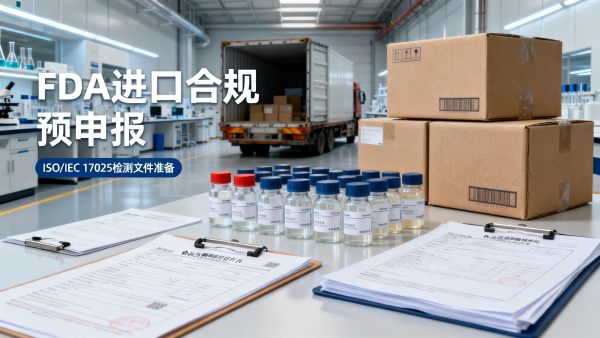
On July 25, 2026, the U.S. market for imported food-grade enzymes entered a stricter compliance phase after the FDA issued new guidance on July 22. The update is not just a procedural notice: it directly affects exporters, import operations, laboratory documentation, and shipment preparation for suppliers serving the United States, especially in China, India, and Southeast Asia. For industry participants, the immediate point of attention is that import eligibility now depends more visibly on pre-notification and test documentation readiness before goods reach the border.
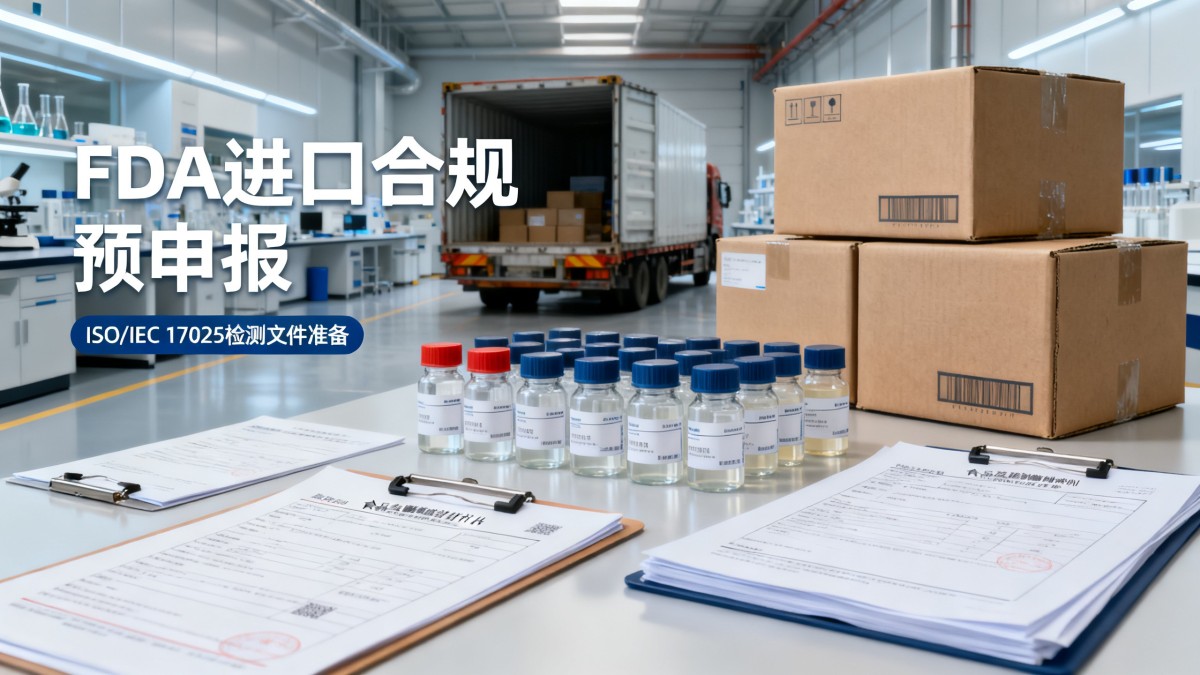
What the FDA Has Formally Required
The FDA released its guidance, titled Industry Guidance: Food-Grade Enzymes for Import Compliance, on July 22, 2026. According to the information provided, the requirement took effect on July 25, 2026.
From that date, all food-grade enzyme products shipped to the United States must complete pre-notification through the FDA's Prior Notice System (PNS). In addition, shipments must include a dual-parameter test report covering enzyme activity and residual solvents, and that report must be issued by a laboratory accredited to ISO/IEC 17025.
The information provided also states that non-compliant products may face refusal at the port of entry and a 30-day rectification period.
Where the Operational Pressure Is Likely to Appear
Export-facing suppliers may face tighter document preparation
From an industry perspective, suppliers exporting food-grade enzymes to the United States are the first group likely to feel the change. The reason is straightforward: the new requirement links shipment release more closely to whether pre-notification has been completed and whether the required laboratory report is in place. The impact is likely to concentrate in export documentation, pre-shipment review, and delivery scheduling.
Import and procurement teams may need to reassess handoff timing
For importers and procurement-side operators, the rule matters because compliance is no longer limited to product supply alone. Analysis shows that purchase execution, shipment coordination, and document verification may need closer alignment before cargo departure or arrival. What deserves closer attention is whether internal teams are checking for both PNS completion and valid ISO/IEC 17025 laboratory documentation as part of routine order handling.
Testing and compliance service workflows become more central
For laboratories and compliance-related service providers, the update points to a more visible role in transaction execution. Observably, the requirement for enzyme activity and residual solvent reporting creates a more defined documentation threshold for shipments entering the U.S. market. The operational effect is likely to appear in report preparation timing, accreditation recognition, and the consistency of supporting paperwork provided to trade partners.
Logistics and border-facing coordination may carry higher execution risk
Supply chain service providers involved in customs coordination or shipment handover may also be affected. The reason is that a documentation gap now carries a stated risk of port refusal and a 30-day rectification window. In practice, that raises the importance of front-end file checks and communication between exporter, importer, and service partners before the shipment reaches the point of entry.
What Companies Should Watch Now
Confirm whether shipment files match the new entry threshold
The first practical issue is not broad strategy but file completeness. Companies shipping food-grade enzymes to the United States should closely review whether each shipment has both the required PNS pre-notification and the specified dual-parameter laboratory report issued by an ISO/IEC 17025 accredited laboratory.
Separate formal rule text from day-to-day execution readiness
Analysis shows that publication of guidance and operational readiness are not the same thing. Businesses should pay attention to how the FDA language translates into internal document handling, shipment release checks, and customer communication. A rule can be clear on paper while still creating confusion in real shipment workflows if responsibilities are not assigned clearly.
Review supplier and service partner coordination
For exporters, importers, and buyers, a key concern is whether existing suppliers and external service partners can provide compliant test reports on time. What deserves closer attention is not only the existence of a report, but whether the laboratory accreditation requirement and the two specified test parameters are being addressed in a way that supports actual import processing.
Prepare for disruption management where compliance is incomplete
Because the provided information states that non-compliant shipments may be refused at the port and given a 30-day rectification period, companies should examine how they would respond if a shipment is flagged. This is especially relevant for delivery commitments, client communication, and decisions on whether to delay shipment until documentation is complete.
How This Update Is Best Understood at This Stage
Observably, this is not a distant policy signal. The guidance was issued on July 22 and took effect on July 25, which places it in the category of an immediate operational requirement rather than a long lead-time policy discussion. At the same time, it is more appropriate to understand this as both a short-term compliance change and a longer-term signal that supporting documentation for imported food-grade enzymes is receiving closer regulatory attention.
Analysis shows that the most useful reading for the market is practical rather than speculative. The current significance lies in execution: documentation readiness, laboratory qualification, and shipment timing. Whether the rule leads to broader structural changes in sourcing or supplier selection still requires continued observation.
Why the Market Should Keep Watching
The industry relevance of this update lies in its direct link between import access and verifiable compliance steps. For companies already serving the U.S. market, the near-term issue is operational adaptation. For companies planning shipments, the update should be read as a clear reminder that pre-notification and testing documentation are now central to market entry for food-grade enzymes.
From an industry perspective, the most balanced conclusion is that this is an immediate compliance development with possible longer-term supply chain implications, but the broader commercial effect should not be overstated before more implementation experience becomes visible.
Basis of This Article
This article is based on the user-provided news title, event date, and event summary concerning the FDA's July 2026 update on import compliance requirements for food-grade enzymes.
For this type of industry development, relevant source categories typically include official agency notices, company disclosures, industry association updates, authoritative media reporting, and standard-related documents. The specific official source link was not provided in the input, so continued verification remains necessary. Areas that still merit follow-up include any later FDA clarification, how the documentation requirement is interpreted in practice, and whether implementation details continue to evolve in trade operations.
Related Intelligence
- Food Grade EnzymesWhat Drives Industrial Enzyme Costs? Activity, Format, and Supply Risk ExplainedIndustrial enzyme cost factors explained: compare activity, formulation, shelf life, documentation, and supply risk to reduce process costs and improve purchasing decisions.
- Food Grade EnzymesIs There a Global Standard for Biochemical Engineering Product Quality?Is there a global standard for biochemical engineering product quality? Explore GMP, ISO, traceability, and supplier checks for confident global sourcing.
- Food Grade EnzymesHow Enzymes for Cracker Formulation Improve Texture and Shelf LifeEnzymes for cracker formulation can enhance dough handling, crisp texture, and shelf life. Explore targeted enzyme strategies for consistent, high-quality crackers.
The Morning Broadsheet
Daily chemical briefings, market shifts, and peer-reviewed summaries delivered to your terminal.
