

The Authority in Global Agricultural Chemistry & Bio-Resources
How to Review Procurement Planning Specifications Before Supplier Selection?
How to Review Procurement Planning Specifications Before Supplier Selection?
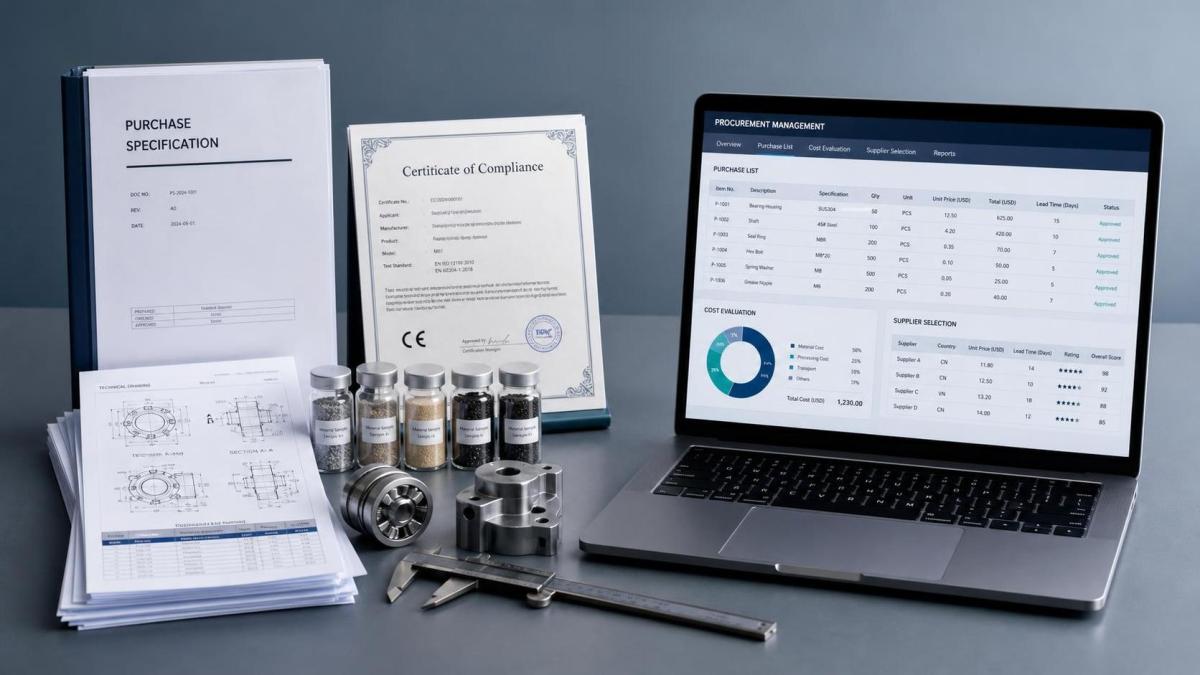
Before supplier outreach begins, the specification file needs a hard review. That step shapes cost, compliance, lead time, and negotiation strength.
A disciplined procurement planning specification review helps teams confirm what must be purchased, why it matters, and where risk is already hiding.
In chemicals, machinery, feed processing, and regulated industrial inputs, unclear specifications often create expensive sourcing mistakes long before contracts are signed.
That is why the review should happen before comparing quotations. It keeps the sourcing process tied to operational reality, not assumptions.
Why Procurement Planning Specification Review Matters Early
A strong procurement planning specification review does more than verify technical details. It protects budget discipline and improves supplier screening quality.
When specifications are incomplete, suppliers quote against different assumptions. Price comparisons then become misleading, even when bids look competitive.
In practical terms, early review reduces rework. It also prevents disputes over scope, testing standards, packaging terms, and delivery acceptance.
More importantly, it reveals whether the demand is over-specified, under-specified, or misaligned with actual production needs.
- Over-specification can inflate cost and narrow the supplier pool.
- Under-specification can increase quality failures and compliance exposure.
- Misalignment can create delays between procurement, operations, and quality teams.
This also means procurement planning specification review is not a paperwork exercise. It is a decision filter that improves sourcing outcomes.
Start With Business Need and Use Case
The first question is simple. What operational problem is this purchase expected to solve?
That answer should appear clearly in the planning document. If it does not, the specification review is already incomplete.
For example, buying an API intermediate is different from buying a pilot-scale batch. The qualification path, documentation burden, and cost model will differ.
The same applies to aquaculture equipment, grain processing systems, or forestry machinery. Intended throughput changes nearly every sourcing decision.
During procurement planning specification review, confirm these points first:
- The operational objective behind the purchase.
- The expected production, processing, or usage environment.
- The minimum acceptable performance level.
- The consequences of failure or underperformance.
Once the use case is clear, the rest of the specification becomes easier to test against real business value.
Check Technical Requirements Line by Line
This is where procurement planning specification review becomes highly practical. Every technical requirement should be necessary, measurable, and verifiable.
Avoid broad phrases like “high purity,” “industrial grade,” or “heavy duty” unless they are backed by test values.
Good specifications define exact thresholds, testing methods, tolerances, dimensions, materials, and interface requirements.
For chemicals, look at assay range, impurity profile, moisture limit, storage conditions, and batch consistency expectations.
For equipment, review power load, operating capacity, footprint, maintenance access, automation level, and site compatibility.
- Are technical terms defined the same way across teams?
- Can each requirement be inspected, tested, or documented?
- Do any requirements conflict with installation or process realities?
- Has anyone copied old specifications without validating current needs?
That last point matters more than it seems. Legacy specifications often carry obsolete standards and hidden cost drivers.
Validate Compliance, Documentation, and Traceability
In regulated sectors, procurement planning specification review must include compliance screening before the supplier shortlist is created.
This review should cover product standards, process controls, export restrictions, safety records, and traceability expectations.
Requirements tied to GMP, FDA, EPA, HACCP, REACH, or local environmental rules should be stated with precision.
If documentation needs are vague, suppliers may quote low and fail during qualification. That creates delay, not savings.
A reliable procurement planning specification review should confirm the need for:
- Certificates of analysis or conformance.
- Batch records or lot traceability.
- Material safety and handling documentation.
- Audit readiness or third-party certification evidence.
- Country-of-origin and supply chain transparency records.
From a risk perspective, this is where hidden supplier gaps often become visible before commercial talks begin.
Align Cost Targets With Market Reality
Many sourcing delays come from a weak connection between specifications and budget assumptions. That gap should be closed early.
A proper procurement planning specification review checks whether the requested specification can realistically be sourced within target cost.
That means comparing planned requirements against recent market prices, freight conditions, inventory trends, and qualification costs.
In actual procurement work, the issue is rarely unit price alone. Total landed cost usually decides whether the requirement is viable.
Review the full cost structure, including packaging, validation, spare parts, maintenance, tariffs, storage, and failure risk.
This review often creates room for cost optimization without weakening technical performance or compliance control.
Review Delivery Terms, Capacity, and Supply Risk
Specifications should never stop at product details. Delivery expectations belong inside procurement planning specification review as well.
A technically qualified item still fails the business case if supply timing does not support production continuity.
Check requested lead times against actual replenishment cycles, seasonality, raw material availability, and import dependency.
This is especially relevant in agricultural inputs, fine chemicals, and machinery components affected by capacity bottlenecks.
During procurement planning specification review, confirm whether the plan includes:
- Required order frequency and lot size.
- Delivery window tolerances.
- Shelf life or storage constraints.
- Backup sourcing or dual-source need.
- Installation, commissioning, or start-up timing.
More often than not, these supply details shape supplier selection criteria as much as product specifications do.
Build a Cross-Functional Review Workflow
The best procurement planning specification review is never owned by procurement alone. It should be cross-functional by design.
Engineering, quality, operations, regulatory, maintenance, and finance each see different failure points in the same specification.
A short review cycle works better than a long approval chain. What matters is clear accountability for each requirement.
One practical method is to mark every line item as essential, preferred, optional, or obsolete before supplier contact.
That simple step improves sourcing flexibility and sharpens later negotiations around alternatives and substitutions.
A Practical Checklist Before Supplier Selection
Before releasing an RFQ or opening supplier comparison, use this procurement planning specification review checklist.
- Confirm the business objective and intended use case.
- Remove unclear language and replace it with measurable criteria.
- Validate all mandatory compliance and documentation needs.
- Test the specification against target cost and market conditions.
- Review lead time, logistics, storage, and continuity risk.
- Get sign-off from all functions affected by the purchase.
- Freeze the approved version before supplier bidding begins.
Once that is done, supplier evaluation becomes more accurate, faster, and easier to defend internally.
A careful procurement planning specification review does not slow sourcing. It removes confusion before confusion becomes cost.
When specifications are clean, procurement teams enter supplier selection with better leverage, better visibility, and fewer surprises downstream.
Related Intelligence
- APIs & IntermediatesWood Preservative Prices in the USA: Bulk Costs by Chemical TypeSearching for “wood preservatives price USA”? Compare bulk chemical types, uncover hidden delivery costs, and learn how to choose compliant treatments at the best value.
- APIs & IntermediatesLiaoning Fine Chemicals Institute for New Industrialization Opens in ShenyangLiaoning Fine Chemicals Institute for New Industrialization opens in Shenyang. Explore its plans to link research, pilot-scale development and enterprise services to drive chemical innovation.
- APIs & IntermediatesBuyer-Oriented Category Guides: How to Compare Options Beyond PriceUse buyer oriented category guides to compare quality, lifecycle costs, compliance, and supplier reliability beyond price. Discover how to reduce purchasing risk and choose lasting value.
The Morning Broadsheet
Daily chemical briefings, market shifts, and peer-reviewed summaries delivered to your terminal.
