

The Authority in Global Agricultural Chemistry & Bio-Resources
ECHA Adds 12 Agrochemicals to REACH List
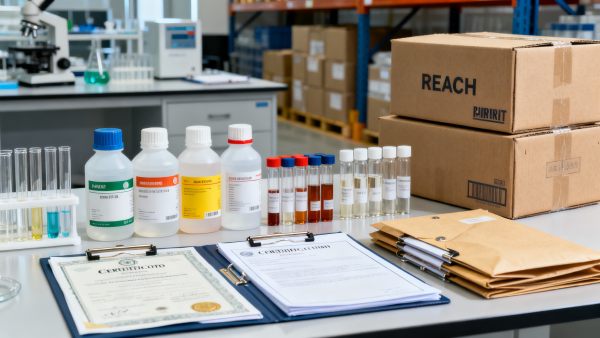
On July 23, 2026, the European Chemicals Agency (ECHA) issued an emergency revision that places 12 commonly used insecticides and plant growth regulators under the REACH Annex XVII restriction list. For Chinese agrochemical exporters, the development is not just a compliance update: it directly affects product registration routes, laboratory verification timelines, and customs document preparation for shipments to the EU, with new requirements taking effect on October 1, 2026.
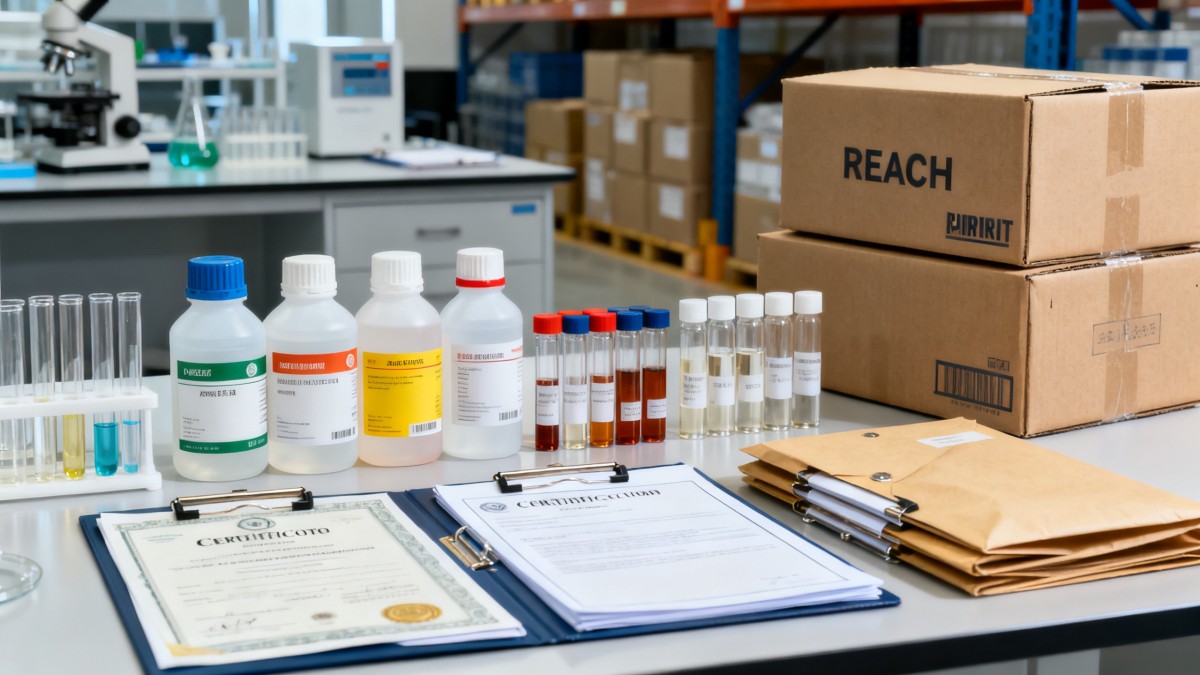
What the July 23 revision confirms
The confirmed information is limited but commercially significant. ECHA announced on July 23, 2026 that 12 commonly used insecticides and plant growth regulators have been added to the REACH Annex XVII restriction list. The scope mentioned in the event summary includes glyphosate derivatives, triazole products, and alternatives to neonicotinoids.
Under the new rule, all agrochemical products exported to the EU must complete ingredient re-declaration and impurity profile verification starting from October 1, 2026. In addition, a GMP conformity declaration becomes mandatory, supported by dual certification under ISO 9001 and ISO/IEC 17025.
The event summary also makes clear that the change directly affects the registration pathway, testing cycle, and customs clearance documentation of Chinese agrochemical export companies.
Where the operational pressure is likely to appear
Export-facing product owners will feel it first
From an industry perspective, companies shipping agrochemical products to the EU are the most directly exposed because the rule links market access to re-declaration, impurity verification, and documentary compliance. The immediate pressure point is whether existing EU-bound product files can still move forward on their current timetable.
Testing and documentation workflows become a bottleneck
Analysis shows that the impact is not limited to formulation or active ingredient review. The requirement for impurity profile verification and a GMP conformity declaration means testing arrangements, supporting records, and document readiness become part of the commercial schedule. For businesses already working against shipment windows, the testing cycle and paperwork preparation are likely to become the main operational constraint.
Customs and supply chain coordination will need closer alignment
Observably, customs preparation is now tied more tightly to technical compliance. Supply chain service providers, trade operations teams, and regulatory support functions may all be affected because missing or inconsistent documentation could delay cargo processing even when goods are already prepared for export.
What companies should watch now
Check whether affected product lines fall within the named categories
What deserves closer attention is product mapping. The event summary identifies glyphosate derivatives, triazoles, and alternatives to neonicotinoids, so exporters should first determine which EU-bound items may fall into those categories and whether current declarations remain sufficient for the October 1 deadline.
Separate regulatory wording from execution workload
Analysis shows that the policy signal and the operational burden are not the same issue. The announced rule is clear on re-declaration, impurity profile verification, and GMP conformity documentation, but the practical workload will sit in sample preparation, laboratory coordination, certification review, and internal document matching. Companies should assess those steps as a single process rather than as separate compliance tasks.
Review certification and laboratory support in advance
The mandatory GMP conformity declaration with ISO 9001 and ISO/IEC 17025 dual certification makes supplier qualification and testing support a practical priority. Businesses should pay attention to whether their existing quality and laboratory arrangements can support the required submissions within the revised schedule.
Prepare customer and shipment communication early
For teams handling EU orders, customer communication may become as important as technical review. If registration timing, testing turnaround, or customs file preparation changes, the commercial side will need to align delivery expectations and document handover timelines before October 1, 2026.
Why this matters beyond a routine rule update
This section is an editorial observation. It is more appropriate to understand this as an immediate compliance change with broader regulatory signaling, rather than as a fully settled long-term market outcome. The confirmed facts already create near-term action points for exporters, but the wider commercial effect will still depend on how companies handle re-declaration, impurity verification, and supporting certification in practice.
Observably, the development matters because it shifts compliance from a narrow substance question to a combined review of ingredients, impurities, quality systems, and customs readiness. That makes the issue relevant not only to regulatory staff, but also to export operations, quality teams, laboratories, and trade documentation functions.
How the market should read this development
At this stage, the most balanced reading is that the ECHA revision creates a concrete short-term compliance requirement for EU-bound agrochemical trade, while also serving as a regulatory signal that documentation depth and verification standards are tightening. It should not be overstated as a final market outcome, but it also should not be treated as a routine filing change. For Chinese agrochemical exporters, the practical significance lies in the time-sensitive link between technical re-submission and shipment execution.
Basis of this article and points for continued verification
This article is based on the user-provided news title, event date, and event summary. In reporting of this type, commonly relevant source categories include official notices, company disclosures, industry association updates, authoritative media coverage, and standards-related documents. No specific official source link was provided in the input, so the precise official publication path still requires continued verification.
Items that remain worth monitoring include whether there are further official clarifications on implementation language, whether affected product scopes are described in more operational detail, and whether submission or documentation expectations develop further as the October 1, 2026 effective date approaches.
Related Intelligence
- AgrochemicalsUSDA Announces Over $500 Million for Eight Fertilizer Production ProjectsUSDA announces over $500 million for eight fertilizer production projects. Explore how expanded domestic supply could affect farm costs and agricultural supply chains.
- AgrochemicalsAgrochemicals Category Intelligence: Tracking Cost Drivers and Supply RiskExplore agrochemicals category intelligence to track cost drivers, uncover supply risks, and strengthen sourcing decisions. Learn how to negotiate smarter and secure reliable supply.
- AgrochemicalsChina’s Phosphate Fertilizer Exports Near Zero, Tightening Global SupplyChina’s phosphate fertilizer exports near zero in 2026 as sulfur shortages tighten global supply. Explore the risks for importers, prices and sourcing strategies.
The Morning Broadsheet
Daily chemical briefings, market shifts, and peer-reviewed summaries delivered to your terminal.
