

The Authority in Global Agricultural Chemistry & Bio-Resources
EU REACH PFAS Update Raises Export Compliance Bar
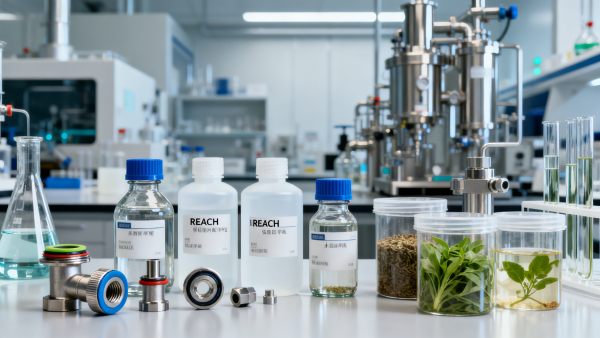
On August 13, 2026, the European Chemicals Agency (ECHA) released a REACH amendment that adds 13 PFAS substances to the SVHC list and starts mandatory notification and substitution assessment for PFAS-containing agricultural adjuvants, smart greenhouse sealing components, aquaculture water-treatment equipment coatings, and processing aids used in natural extracts. For exporters, suppliers, procurement teams, and compliance functions serving Agrochemicals, Aeration & Water Tech, and Botanical Extracts, this is not just a regulatory update but a direct market-access requirement tied to substance declarations, supply-chain communication, and replacement planning before Q1 2027.
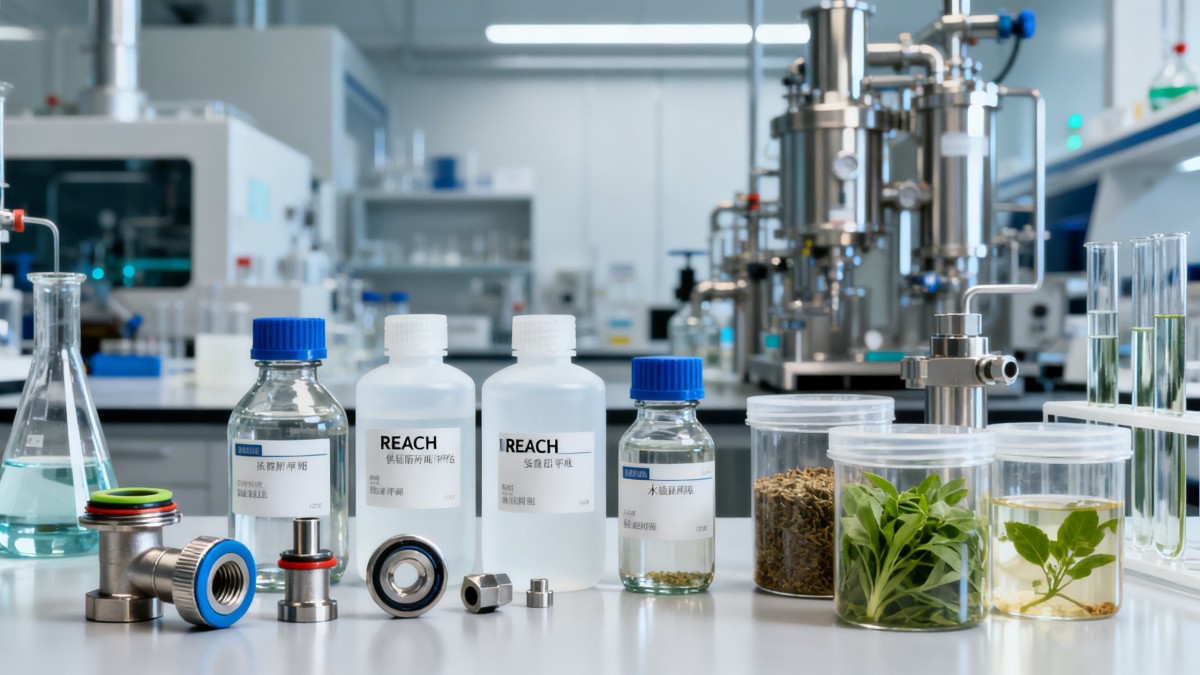
What the August 13 REACH amendment formally changes
The confirmed change is that ECHA formally published a REACH revision on August 13, 2026, under which 13 per- and polyfluoroalkyl substances (PFAS) were added to the list of substances of very high concern (SVHC). At the same time, the measure launched mandatory notification and substitution assessment for PFAS-containing agricultural adjuvants, sealing parts used in smart greenhouses, coatings used on aquaculture water-treatment equipment, and processing aids used in natural extract production.
The event summary also makes clear that the measure directly affects export categories including Agrochemicals, Aeration & Water Tech, and Botanical Extracts. Chinese suppliers are required to complete substance declarations, supply-chain communication, and filing of technical substitution plans before Q1 2027.
Where the pressure will show up across export operations
For exporters shipping affected product categories
From an industry perspective, exporters are likely to face the most immediate impact because the rule change is tied directly to whether affected products can continue to move into the EU market under compliant documentation. The practical pressure point is likely to sit at the intersection of product review, substance identification, customer declarations, and shipment readiness. What deserves closer attention is whether existing export files, technical descriptions, and buyer-facing compliance statements can support the required PFAS-related communication within the stated timeline.
For manufacturers and processing suppliers in the chain
Manufacturers supplying agricultural adjuvants, coated equipment parts, sealing materials, or processing aids may be affected because the new requirement is not limited to finished goods labeling. Analysis shows the burden may extend upstream into formulation review, material disclosure, and internal assessment of whether technical substitution pathways need to be prepared. In operational terms, this can influence material selection, change-control procedures, and documentation handover to downstream customers.
For procurement and sourcing teams
Procurement functions may need to pay closer attention because the rule change creates a direct link between sourcing decisions and compliance readiness. Observably, buyers handling affected materials or components may need more complete substance declarations from suppliers and clearer confirmation on whether PFAS is present in formulations, coatings, or processing inputs. This may alter supplier screening, bid qualification, and document collection routines, especially where supply chains are long or technically fragmented.
For testing, compliance, and supply-chain service providers
Compliance service providers, document management teams, and testing-related organizations may also see increased demand because the measure combines notification, supply-chain transmission, and substitution assessment. Analysis shows their role is likely to center on supporting material mapping, declaration preparation, file consistency, and traceability across suppliers and customers. The main change is less about one isolated certificate and more about whether the chain can produce coherent compliance evidence in time for trade and delivery needs.
What companies should watch before Q1 2027
Check whether current declarations are fit for transmission
Analysis shows one immediate task is to review whether existing substance declarations can be passed through the supply chain in a form that matches customer and regulatory expectations. Where declarations are incomplete, inconsistent, or too general, the compliance gap may appear first in customer onboarding, order confirmation, or pre-shipment review rather than at a later stage.
Review affected product and material scopes carefully
What deserves closer attention is the product scope named in the event summary: agricultural adjuvants containing PFAS, smart greenhouse sealing components, coatings on aquaculture water-treatment equipment, and processing aids used in natural extracts. Companies linked to these categories should treat scope review as a practical screening exercise tied to formulations, coatings, and process inputs, rather than as a purely legal reading exercise.
Prepare for substitution assessment as a live compliance topic
Observably, the requirement is not limited to notification. The launch of substitution assessment means companies should also pay attention to how technical alternatives are described and filed. Because the input does not provide detailed execution criteria, this should be understood as a compliance area requiring continued monitoring rather than as a completed checklist with settled standards.
Watch how customer requirements and delivery timelines evolve
From an industry perspective, the rule change may begin to surface through buyer questionnaires, updated technical annexes, tender language, and additional pre-delivery document requests. Companies should therefore monitor whether commercial negotiations, lead times, and supplier qualification thresholds begin to shift as customers align their own REACH-related controls ahead of Q1 2027.
Why this looks like both a landed rule change and an execution signal
Analysis shows this development should be read first as an already landed regulatory change, because the REACH amendment was formally published and the affected substance and product areas were explicitly identified in the provided summary. At the same time, it is more appropriate to understand the practical market effect as an execution signal that is still unfolding, since the eventual burden on exporters will depend on how notification, substitution assessment, customer documentation, and supply-chain transmission are applied in day-to-day transactions.
Observably, the most important near-term question is not whether the issue exists, but how quickly it begins to reshape documentation expectations and technical review at the buyer-supplier interface. That is why the market will need to keep watching not only regulatory text, but also procurement language, qualification practices, and implementation feedback across the affected sectors.
How this update is best understood now
The industry significance of this event lies in the fact that PFAS-related REACH obligations are moving closer to operational trade reality for several export-facing product groups. For companies connected to Agrochemicals, Aeration & Water Tech, and Botanical Extracts, the immediate value of this update is as a compliance trigger for substance review, supply-chain communication, and substitution planning rather than as a distant policy headline.
At this stage, it is more appropriate to understand the development as a confirmed regulatory change with direct compliance implications, while still recognizing that the detailed pace of market enforcement, buyer interpretation, and documentation practice requires continued observation.
Basis of this article and points that still require verification
This article is based on the user-provided news title, event date, and event summary. For developments of this type, relevant source categories typically include official notices, publications from regulatory authorities, customs or trade-administration information, industry association updates, standards documents, and reporting by established professional media. A specific official source link was not provided in the input, so the exact official publication path still needs to be verified on an ongoing basis.
Further observation is also needed on detailed implementation language, certification and compliance interpretation, changes in tender and procurement documents, industry feedback, and how affected companies complete declaration, transmission, and substitution-related filing work before Q1 2027.
Related Intelligence
- AgrochemicalsWhat Are the Main Risks of Non-Transparent Agricultural Supply Chains?what are the main risks of non transparent agri supply chains? Explore traceability, compliance, contamination, disruption, and cost risks—plus practical controls.
- AgrochemicalsGrain Production: Key Practices for Improving Yield While Protecting Soil HealthGrain production strategies to improve yield, protect soil health, manage nutrients, reduce compaction, and build resilient fields for lasting results.
- AgrochemicalsHow Do New FDA Rules Affect Agri-Chemical Sourcing Strategies?How do new FDA rules impact agri chemical sourcing strategies? Explore practical supplier screening, traceability, contaminant control, and risk-based compliance steps.
The Morning Broadsheet
Daily chemical briefings, market shifts, and peer-reviewed summaries delivered to your terminal.
