

The Authority in Global Agricultural Chemistry & Bio-Resources
Brazil Eases Entry for Chinese Visitors Ahead of August Agrochemical Show
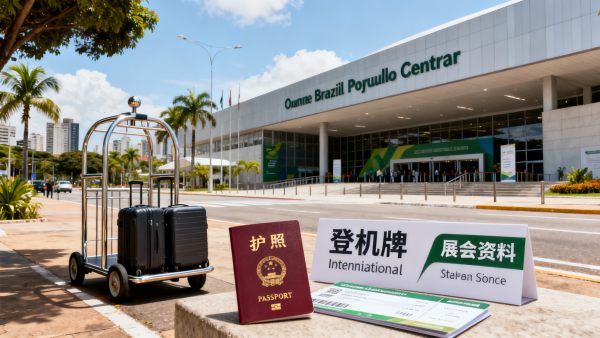
Brazil’s decision to grant short-term visa-free entry to Chinese citizens holding ordinary passports, effective from May 11, 2026, lowers a practical barrier for cross-border business travel in the agrochemical sector. Based on the information provided for this item, the policy allows stays of up to 30 days per visit and is likely to make business meetings, customer visits, and exhibition-related travel easier for Chinese agrochemical companies, exhibitors, and technical service personnel.
This change is especially relevant in the run-up to the 17th AgrochemShow in Sao Paulo on August 3-4. According to the provided event summary, the exhibition is expected to bring together more than 1,000 industry professionals from over 10 countries, including China, the United States, India, and Russia. With the event focused on new pesticide registration rules, South American market access, and localization pathways, simpler entry procedures could improve the efficiency of pre-show planning as well as on-site business matching.
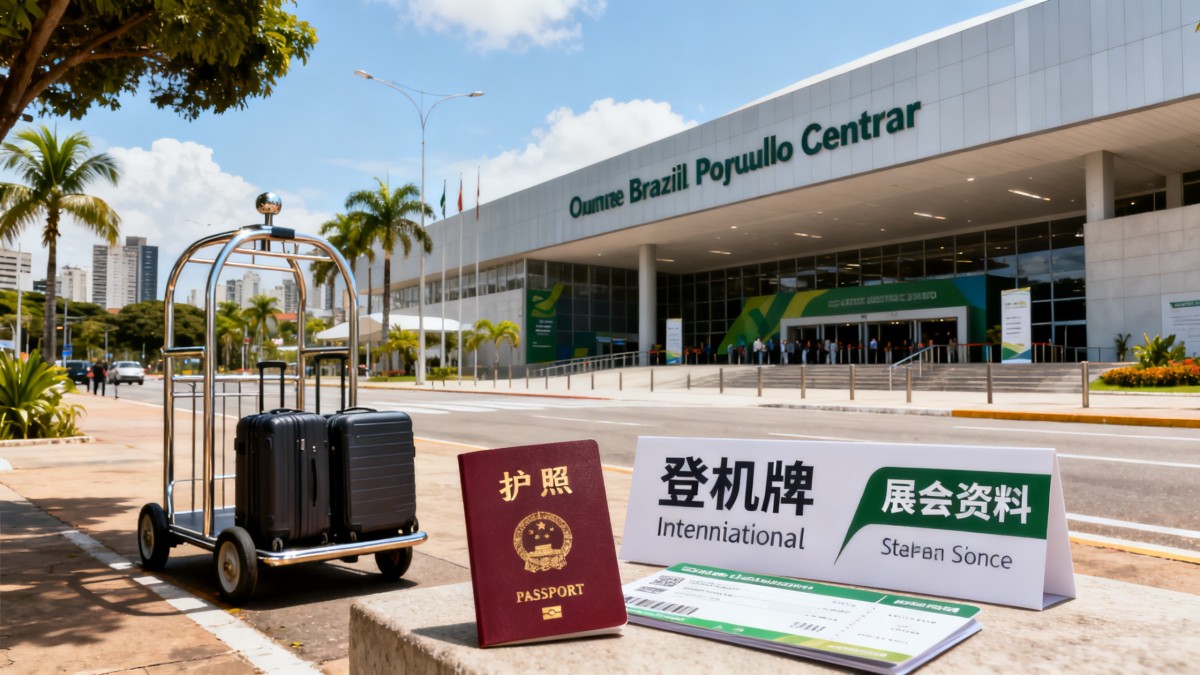
Why the policy matters for the exhibition cycle
For trade shows and business-focused industry gatherings, visa processing often affects who can attend, how quickly travel can be arranged, and whether technical or commercial teams can participate on short notice. From the current information, Brazil’s visa-free move may shorten preparation time for Chinese participants and reduce uncertainty around travel arrangements. That matters not only for exhibitors, but also for suppliers, service teams, and buyers who need face-to-face discussions around registration, distribution, and local cooperation.
In practical terms, the immediate impact may be strongest in activities that depend on timing: confirming attendance, arranging customer visits around the show, and sending the right mix of commercial and technical staff. For companies already evaluating South American opportunities, lower travel friction could make in-person market exploration more feasible within a tighter schedule.
What industry participants may watch next
The policy itself does not change market access rules, product registration requirements, or local business conditions. However, it may create a more favorable operating environment for initial contact and follow-up communication. For agrochemical businesses, the next question is likely to be whether easier travel translates into more concrete partnership discussions and faster decision-making around local market entry.
Given the stated agenda of AgrochemShow, attention may also turn to how companies use this window: whether they prioritize regulatory understanding, channel development, or localized cooperation models. Those outcomes cannot be confirmed from the current information, but they are the areas where the effect of easier mobility is most likely to become visible first.
This article is based solely on the event details provided here. For further developments, market participants may want to monitor official announcements, exhibition updates, and other public information related to entry rules and industry event arrangements.
Related Intelligence
- AgrochemicalsWhat Are the Main Risks of Non-Transparent Agricultural Supply Chains?what are the main risks of non transparent agri supply chains? Explore traceability, compliance, contamination, disruption, and cost risks—plus practical controls.
- AgrochemicalsGrain Production: Key Practices for Improving Yield While Protecting Soil HealthGrain production strategies to improve yield, protect soil health, manage nutrients, reduce compaction, and build resilient fields for lasting results.
- AgrochemicalsHow Do New FDA Rules Affect Agri-Chemical Sourcing Strategies?How do new FDA rules impact agri chemical sourcing strategies? Explore practical supplier screening, traceability, contaminant control, and risk-based compliance steps.
The Morning Broadsheet
Daily chemical briefings, market shifts, and peer-reviewed summaries delivered to your terminal.
