

The Authority in Global Agricultural Chemistry & Bio-Resources
What to Look for in a Commercial Aquaculture Systems Exporter for Large-Scale Fish Farms
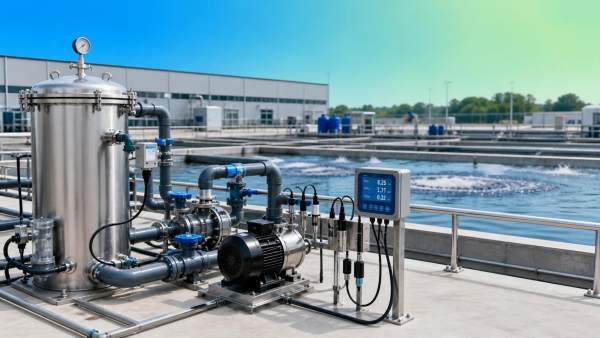
What to Look for in a Commercial Aquaculture Systems Exporter for Large-Scale Fish Farms
Choosing a commercial aquaculture systems exporter is rarely a simple price comparison. For large-scale fish farms, the exporter is not just moving equipment across borders; it is influencing how reliably the farm can stock, aerate, filter, monitor, and maintain production over many cycles. A low quote can look attractive on paper and still become expensive once spare parts are delayed, installation guidance is weak, or the system is not matched to the site’s water conditions and operating method.
That is why procurement teams usually need to look beyond catalog claims. The better question is whether the exporter can support the full life of the project: technical design, manufacturing consistency, export documentation, delivery planning, commissioning support, and post-sale service. In aquaculture, those details often decide whether a system becomes a stable production asset or a recurring operating problem.
Engineering fit matters more than brochure breadth
Large fish farms seldom fail because one component is poor in isolation. The more common issue is mismatch. A pumping package may be adequate, but not for the required head pressure. A tank layout may look efficient, but it may not support cleaning access or biosecurity routines. A filtration line may be technically sound, yet oversized in one area and under-specified in another. A serious commercial aquaculture systems exporter should be able to explain those trade-offs clearly, not simply list modules.
For procurement teams, the practical test is simple: can the exporter work from your species, stocking density, water source, climate, power stability, and operating schedule? If the answer is vague, the risk usually lands on the buyer later through higher energy use, avoidable maintenance, or poor system balance. In large projects, engineering fit is a cost issue, not just a technical preference.
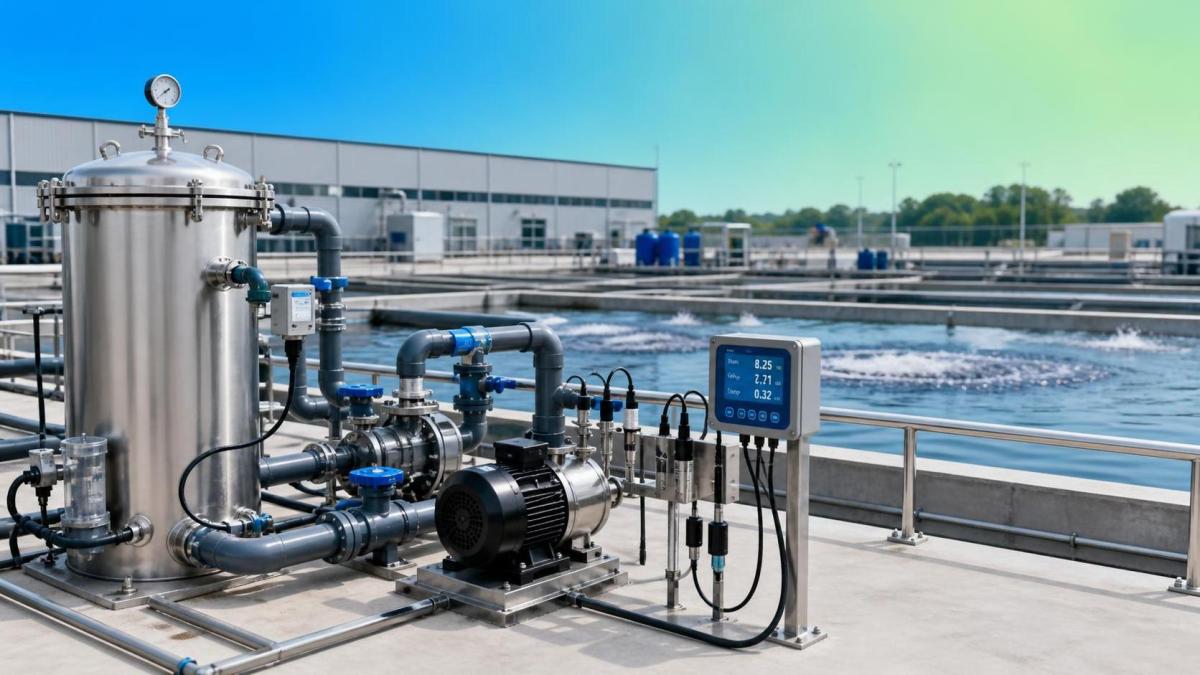
Compliance and documentation should be checked early
Exported aquaculture systems cross more than one set of rules. There are the buyer’s local import requirements, the destination country’s environmental and electrical standards, and any project-specific controls tied to water discharge, energy use, or food safety. Not every project requires the same certification set, but it is a mistake to leave compliance questions until after the purchase order is issued.
This is one area where suppliers that work regularly with industrial buyers tend to stand out. They usually understand how to prepare packing lists, technical manuals, origin documents, and test records in a way that supports customs clearance and site acceptance. For procurement teams, that reduces hidden cost. A shipment held because of incomplete paperwork can be far more expensive than a slightly higher unit price from a better organized exporter.
AgriChem Chronicle often sees similar patterns across regulated supply chains in agriculture, biochemical processing, and aquaculture tech: the strongest vendors are not only capable at manufacturing, but disciplined in traceability. That matters because industrial buyers need to know what was built, when it was tested, and which components were included. If the exporter cannot support that level of transparency, sourcing risk goes up fast.
Scalability is a procurement issue, not just a production issue
Many exporters can handle a pilot system. Fewer can repeat that performance across a larger farm build or phased expansion. When evaluating a commercial aquaculture systems exporter, buyers should ask how the supplier handles capacity changes, spare-part continuity, and design consistency across multiple delivery lots. These questions matter because large farms often expand in stages, and a system that cannot be duplicated cleanly creates integration problems later.
Scalability also includes lead-time realism. A supplier that offers aggressive timelines without showing production planning discipline may be shifting risk to the buyer. Delays in tanks, piping, aeration equipment, control panels, or water treatment units can disrupt civil works and labor scheduling. Procurement teams should look for exporters that can explain where bottlenecks typically occur and how they manage them. That answer is often more useful than a polished sales promise.
After-sales support has a direct cost impact
Aquaculture systems are not one-time installations. Even a well-designed system needs maintenance, troubleshooting, and periodic replacement of wear parts. For that reason, after-sales support should be judged as part of total procurement cost. If the exporter has no clear service structure, no spare-parts policy, or no practical commissioning support, the buyer may end up carrying the burden internally.
The most useful support model is usually the one that fits the project scale. Some buyers need remote technical guidance and a parts list they can hold locally. Others need on-site startup support, operator training, or a documented maintenance schedule. There is no single right format, but the exporter should be able to spell out what is included, what is optional, and what is excluded. Ambiguity here often turns into budget drift later.
Pricing should be evaluated as system cost, not unit cost
A procurement team focused only on unit price can miss the true cost structure. In large-scale fish farms, operating cost is shaped by energy demand, maintenance frequency, replacement cycles, and downtime risk. A cheaper exporter may use components that are harder to source locally, while a slightly higher-priced supplier may reduce total cost through better standardization and more predictable service life. The right comparison is often not “Which offer is lowest?” but “Which offer creates the fewest surprises over the next three to five years?”
This is where itemized quotations help. Good exporters do not hide behind a single project number. They separate core equipment, optional controls, installation support, packaging, and freight assumptions. That makes it easier for buyers to compare like with like and identify where a quote is thin. If a proposal is unusually cheap, check whether testing, documentation, spares, or commissioning have been quietly left out.
Supply chain transparency is part of reliability
For industrial buyers, transparency is not a soft preference. It is a practical way to reduce procurement risk. Buyers need to know where critical components are sourced, how substitutions are handled, and whether the exporter can maintain consistency if a component becomes unavailable. This is especially important in long-lead projects, where one missing valve, sensor, or controller can stall the whole schedule.
A dependable exporter should be comfortable discussing lead times, alternate parts, packaging standards, and pre-shipment inspection. If the answers are defensive or too general, the buyer should slow down. In aquaculture infrastructure, the cost of poor visibility usually shows up after shipment, when changes are harder and more expensive to manage.
A practical way to shortlist suppliers
Before awarding a contract, procurement teams usually benefit from a short, disciplined review rather than a broad beauty contest. Ask each commercial aquaculture systems exporter to respond to the same project inputs: site conditions, production target, utility constraints, preferred delivery window, maintenance expectations, and documentation requirements. Then compare how specific their response is. Specificity is often the clearest sign that the supplier understands large-scale work.
If the project is complex, the strongest next step is usually a technical clarification round before final pricing. That can surface hidden assumptions about freight, assembly scope, local labor, or commissioning responsibility. It also gives procurement teams a more realistic basis for cost comparison. In practice, the best exporter is rarely the one with the flashiest proposal. It is the one that makes the project easier to execute, easier to maintain, and easier to audit.
For large fish farms, that is the real test. Not whether the supplier can quote fast, but whether they can support a system that must keep working after the paperwork is done.
Related Intelligence
- RAS SystemsSustainable Aquaculture Practices That Cut Feed Waste and Protect Fish Farm Water QualitySustainable aquaculture for fish farms: reduce feed waste, protect water quality, and build resilient, efficient systems with practical strategies.
- RAS SystemsDrum Filter System Price: How Flow Rate, Micron Rating, and Automation Affect CostDrum filter system price depends on flow rate, micron rating, automation, materials, and lifecycle costs. Compare quotes confidently and choose the right system.
- RAS SystemsHow to Specify Large-Scale Fish Farming Equipment for High-Output RAS ProjectsLarge scale fish farming equipment guide for high-output RAS projects—specify tanks, filtration, oxygen, automation, and redundancy for reliable growth.
The Morning Broadsheet
Daily chemical briefings, market shifts, and peer-reviewed summaries delivered to your terminal.
