

The Authority in Global Agricultural Chemistry & Bio-Resources
China Beef Safeguard Notice Tightens Traceability Pressure on Feed Pellet Exports
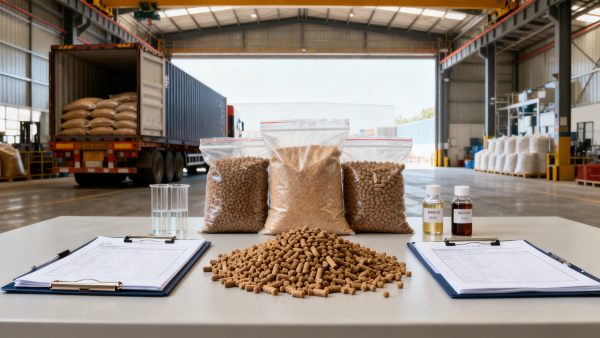
On August 11, 2026, China’s Ministry of Commerce trade remedy authority issued its eighth implementation notice for the 2026 beef safeguard measures. Based on the information provided for this update, the notice clarifies dynamic quota management and origin compliance traceability requirements for imported beef and related agricultural products, including some animal-derived feed additives and ruminant premixes. While the measure is centered on beef-related trade controls, its effect extends further along the supply chain.
The most immediate industry reading is that commercial feed pellet exporters may face stricter document submission expectations tied to raw material traceability, GMP certification, and export declarations covering veterinary drug residues. That does not necessarily mean a new standalone export regime has been created for all feed products, but it does suggest that compliance review around linked inputs and supporting paperwork is becoming harder to treat as a routine back-office task.
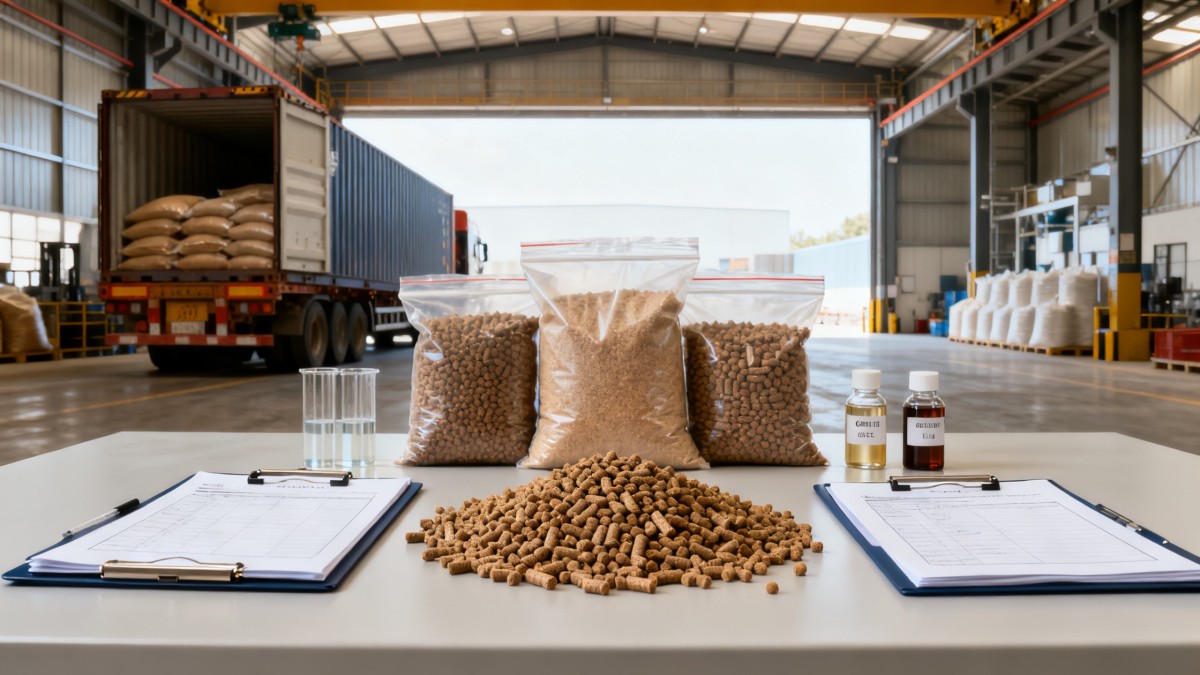
Why the notice matters beyond beef imports
The policy signal is less about a single product category and more about how regulators are connecting origin verification, quota administration, and downstream compliance evidence. For feed businesses, especially those serving overseas buyers, this can raise practical questions around whether internal sourcing records, supplier declarations, and batch-level documentation are complete enough to withstand closer scrutiny.
That helps explain why importers in Southeast Asia and the Middle East are reportedly making concentrated inquiries to Chinese suppliers about compliance response capacity. In cross-border feed trade, buyers typically react quickly when a policy change appears likely to affect customs clearance, shipment timing, or documentary consistency. Even when a measure is indirect, uncertainty over paperwork can become a commercial issue on its own.
Likely pressure points for exporters
From the currently available information, three areas appear most exposed.
- Raw material traceability: Exporters may need to show a clearer chain of origin for relevant inputs, especially where animal-derived components or premix materials are involved.
- Certification readiness: GMP records may receive more attention as buyers and counterparties test whether suppliers can respond quickly to expanded compliance checks.
- Residue-related declarations: Required statements on veterinary drug residues could become a more visible part of transaction preparation, review, and negotiation.
For companies already operating with strong document discipline, the main challenge may be response speed and consistency. For others, the bigger risk may be gaps between actual production controls and the quality of export-facing compliance files.
What the market should watch next
At this stage, the information supports cautious interpretation rather than broad conclusions. The short-term effect may show up first in buyer questionnaires, longer pre-shipment checks, and tighter review of supplier files rather than in immediate visible changes to trade volumes. Further impact will depend on how the notice is applied in practice and whether related compliance expectations are reinforced through additional official guidance or transaction-level enforcement.
This article is based solely on the title, date, and event summary provided for the current update. For follow-on developments, market participants should continue watching official notices, regulatory releases, company disclosures, and other public compliance-related information connected to import controls and feed export documentation.
Related Intelligence
- Commercial Feed PelletHow to Build a Sanitary Feed Production Plan That Reduces Cross-ContaminationSanitary feed production planning: reduce cross-contamination with smarter sequencing, validated flushing, material segregation, and traceable sanitation controls.
- Commercial Feed PelletFeed Pellet Mill Sourcing: How to Vet Suppliers for Capacity, Quality, and SupportFeed pellet mill sourcing made smarter: vet suppliers for proven capacity, pellet quality, lifecycle cost, factory controls, commissioning, and reliable after-sales support.
- Commercial Feed PelletFeed Production System Price Trends: Cost Drivers and Budgeting for New LinesFeed production systems price trend insights: compare cost drivers, automation, utilities, compliance, and total ownership costs to budget smarter for new feed lines.
The Morning Broadsheet
Daily chemical briefings, market shifts, and peer-reviewed summaries delivered to your terminal.
