

The Authority in Global Agricultural Chemistry & Bio-Resources
How to Choose CE Feed Equipment for Reliable Pellet Output and Lower Operating Costs
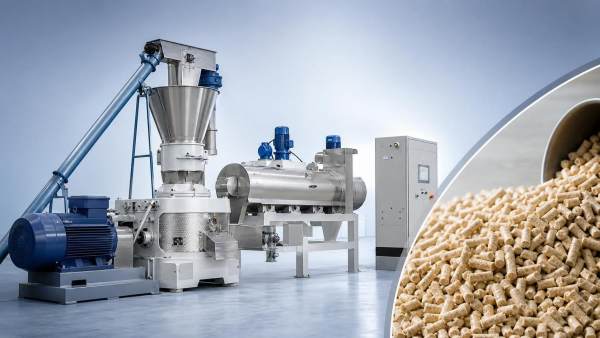
How to Choose CE Feed Equipment for Reliable Pellet Output and Lower Operating Costs
Choosing CE feed equipment is no longer just a compliance decision. It shapes pellet quality, energy use, downtime, maintenance workload, and long-term cost control.
A machine may meet basic standards yet still underperform in daily production. That gap usually appears in unstable output, high wear, or difficult spare parts planning.
For operations buying at scale, the better question is simple. Which CE feed equipment can deliver safe operation, consistent pellets, and lower cost per ton over time?
The answer depends on more than the CE mark itself. It requires checking process fit, component quality, energy efficiency, supplier support, and real operating data.
Start with What CE Feed Equipment Actually Covers
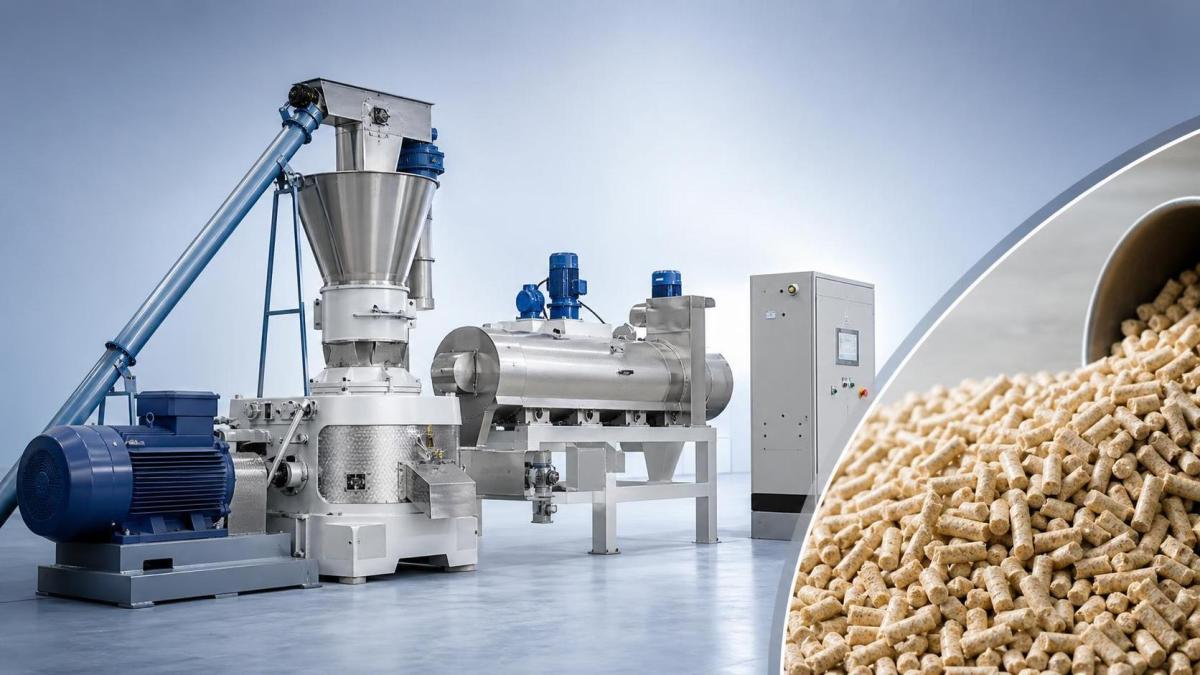
CE certification confirms that equipment meets relevant European safety, health, and environmental requirements. That matters, especially for plants facing stricter internal audit and export standards.
Still, CE feed equipment is not automatically the best pellet solution. Compliance reduces legal and safety risk, but it does not guarantee throughput, pellet durability, or efficient utility consumption.
In practical purchasing, CE should be treated as a threshold requirement. The real comparison begins after that, when technical fit and operating economics come into view.
Ask suppliers to provide the Declaration of Conformity, risk assessment records, electrical documentation, guarding details, and applicable directive references. Missing paperwork is an early warning sign.
Check the Scope of the CE Claim
Some suppliers present CE feed equipment certification for a single machine, while buyers assume the whole line is covered. That misunderstanding creates risk during installation and commissioning.
Confirm whether the claim applies to the pellet mill, feeder, conditioner, cooler, control cabinet, and integrated safety logic. A line is only as strong as its weakest documented section.
Match CE Feed Equipment to Your Raw Materials and Pellet Targets
Reliable pellet output starts with process compatibility. Different formulas behave very differently under compression, conditioning, and die resistance.
That is why CE feed equipment selection should begin with your material profile. Fiber content, fat level, moisture, starch behavior, and additive sensitivity all affect machine choice.
A poultry feed line may need one setup. Aquafeed, ruminant feed, biomass blends, or specialty pellets may need another. A generic sales sheet will not capture those differences.
Define the Output Standard Before Comparing Machines
Set measurable targets before requesting quotations. Otherwise, every supplier will describe performance differently, and comparisons will quickly become vague.
- Expected tons per hour at a defined formula
- Target pellet diameter and length range
- Allowed fines percentage after cooling
- Pellet durability index target
- Moisture range before and after pelleting
- Steam pressure and utility conditions on site
Once those benchmarks are fixed, CE feed equipment proposals become easier to evaluate on facts instead of claims.
Focus on the Components That Drive Pellet Consistency
When pellet quality varies, the cause is often upstream of the die. Good CE feed equipment should support stable, repeatable conditioning and feeding before compression begins.
Three areas matter most. The feeder must be stable. The conditioner must retain heat and moisture effectively. The pellet chamber must handle load without vibration or uneven wear.
Feeder and Conditioner Design
Variable frequency control helps maintain steady feed rates. This matters more when formulas change often or include ingredients with poor flow behavior.
In the conditioner, retention time is critical. Short residence time often leads to weak pellets, poor starch gelatinization, and higher fines.
Look for CE feed equipment with effective paddle arrangement, durable insulation, accessible cleaning points, and dependable steam control. These details influence output more than brochures suggest.
Die, Roller, and Main Drive Quality
The die and roller set has direct impact on pellet density, throughput, and wear cost. Ask about material grade, heat treatment, hole finish, and expected service life by formula type.
Main motor sizing also deserves scrutiny. Oversized motors waste energy at partial load. Undersized motors create bottlenecks and instability during heavier formulations.
Compare Operating Cost Per Ton, Not Just Purchase Price
This is where many buying decisions go off track. Lower upfront pricing can hide higher electricity use, more die replacement, longer maintenance stops, and weaker overall equipment effectiveness.
The better approach is to estimate total operating cost per ton. That reveals whether CE feed equipment is genuinely economical under real plant conditions.
In many cases, efficient CE feed equipment pays back through reduced energy and fewer production interruptions within the first operating years.
Audit Maintainability and Spare Parts Support Early
Maintenance is often underweighted during procurement. Yet difficult access, nonstandard parts, or weak after-sales support can quickly erase any price advantage.
Reliable CE feed equipment should be serviceable without excessive teardown. Operators should be able to inspect wear zones, clean buildup points, and replace common parts efficiently.
Questions Worth Asking Before Signing
- What are the standard spare parts included with delivery?
- Which parts are proprietary, and which are market-standard?
- What is the average lead time for dies, rollers, bearings, and sensors?
- Is remote troubleshooting available?
- Can the supplier support commissioning and operator training on site?
- Is there a preventive maintenance schedule linked to actual running hours?
These questions help separate polished sales presentations from dependable long-term support.
Review Automation, Data Visibility, and Safety Integration
From a recent market perspective, stronger buyers now expect better operating visibility. Modern CE feed equipment should provide more than basic start and stop functions.
Useful control features include load monitoring, feeder speed adjustment, temperature display, alarm history, lubrication alerts, and interlocked safety access points.
This also means less guesswork in daily management. When process data is visible, plants can trace pellet inconsistency faster and reduce avoidable stoppages.
Ask whether the CE feed equipment can integrate with existing PLC or plant monitoring systems. That becomes especially useful in multi-line or multi-site production.
Use a Supplier Evaluation Framework, Not a Single Quote
The strongest buying decisions usually come from structured comparison. A single attractive quotation rarely tells the whole story.
Score each CE feed equipment supplier against the same criteria. This keeps internal reviews objective and helps defend the final decision.
- Compliance documentation quality
- Process fit for target formulas
- Verified output performance
- Energy and wear economics
- Automation and data features
- Service network and spare parts readiness
- Reference installations with similar applications
Whenever possible, request production references using similar raw materials. Better still, review actual running data instead of only factory test results.
A Practical Buying Checklist for CE Feed Equipment
Before placing the order, run through a final decision checklist. It keeps discussions grounded and reduces surprises after delivery.
- Confirm the full CE documentation package and directive scope.
- Match the machine to your formulas, moisture profile, and pellet specification.
- Verify output, energy use, and wear data under comparable operating conditions.
- Review die, roller, motor, bearing, and gearbox quality in detail.
- Check cleaning access, service intervals, and spare parts lead times.
- Assess automation, alarms, and compatibility with existing plant controls.
- Evaluate supplier responsiveness during the quote stage. It often predicts future support quality.
In the end, the best CE feed equipment is not simply the cheapest or the most heavily promoted. It is the option that delivers stable pellets, manageable maintenance, and lower cost per ton year after year.
That makes CE feed equipment selection a technical and commercial decision at the same time. Buyers who evaluate both sides carefully tend to secure stronger output and fewer operational surprises.
Use the checklist above as a working filter during supplier review, technical clarification, and final negotiation. It is a practical way to protect performance before capital is committed.
Related Intelligence
- Commercial Feed PelletFire Quickly Extinguished in Grinder Bin at Baiada’s Cardiff Feed Mill in AustraliaBaiada’s Cardiff feed mill fire was reportedly contained quickly. Explore grinder bin safety, restart uncertainties and key supply continuity checks for feed buyers.
- Commercial Feed PelletHow to Build a Sanitary Feed Production Plan That Reduces Cross-ContaminationSanitary feed production planning: reduce cross-contamination with smarter sequencing, validated flushing, material segregation, and traceable sanitation controls.
- Commercial Feed PelletFeed Pellet Mill Sourcing: How to Vet Suppliers for Capacity, Quality, and SupportFeed pellet mill sourcing made smarter: vet suppliers for proven capacity, pellet quality, lifecycle cost, factory controls, commissioning, and reliable after-sales support.
The Morning Broadsheet
Daily chemical briefings, market shifts, and peer-reviewed summaries delivered to your terminal.
