

The Authority in Global Agricultural Chemistry & Bio-Resources
EU Rule 2026/87 Adds ABC Certification for Imported RAS
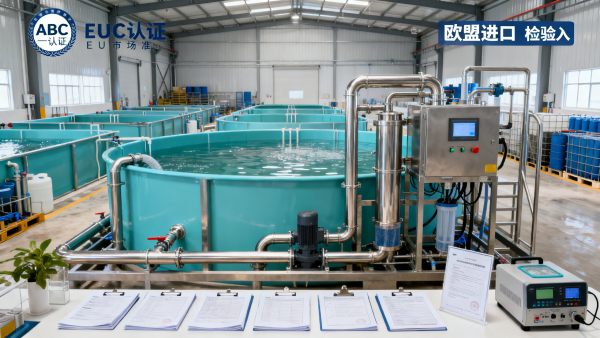
On July 21, 2026, the European Commission brought Regulation (EU) 2026/87 into effect, creating a new compliance condition for imported recirculating aquaculture systems (RAS). From October 1, 2026, imported RAS systems will need the new Aquatic Biosecurity Certification (ABC), alongside existing conformity documentation where applicable. The change matters because it does not only affect product entry into the EU market; it also reaches design review, technical documentation, procurement screening, delivery planning, and supplier qualification for manufacturers, distributors, aquaculture operators, and system integrators.
What the new requirement formally introduces
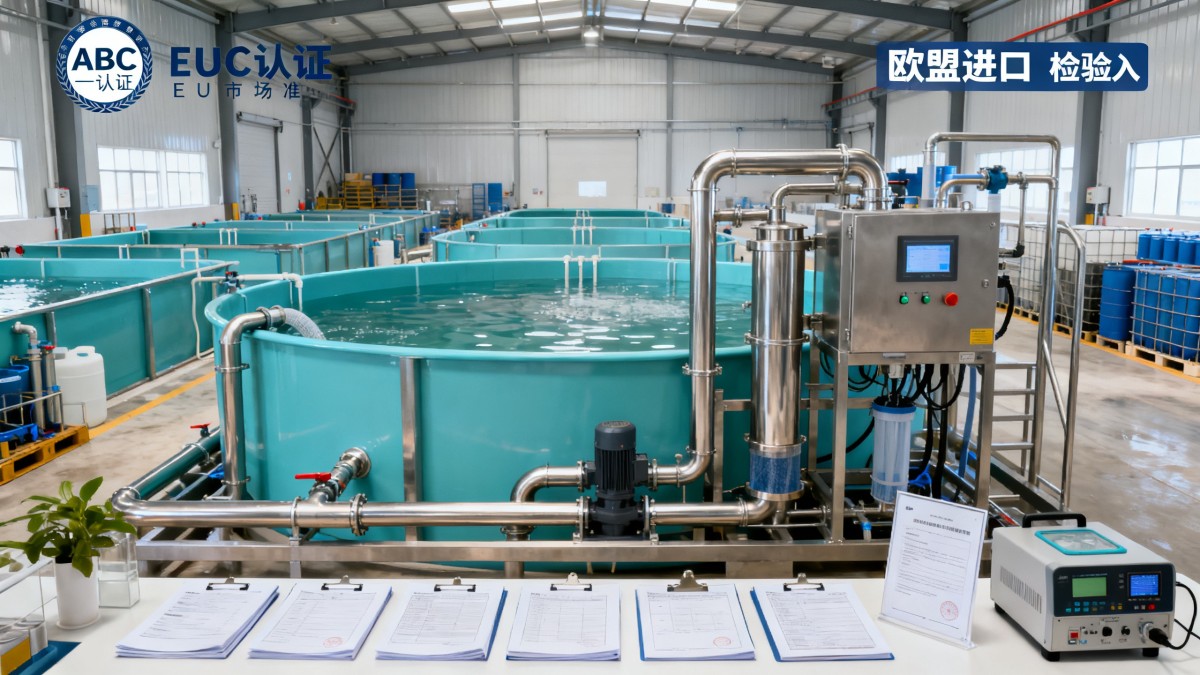
According to the provided information, Regulation (EU) 2026/87 took effect on July 21, 2026. It requires all imported RAS systems to obtain the newly established Aquatic Biosecurity Certification (ABC) from October 1, 2026. The certification covers pathogen-blocking design, real-time water quality monitoring modules, and data interface compliance. ABC certification is to be carried out by third-party bodies authorized by EU-ABO, the EU Aquatic Biosecurity Office. For Chinese RAS equipment manufacturers exporting to the EU, CE and ABC documentation will need to be upgraded and maintained together as dual compliance files.
Where the pressure is likely to appear first
Export documentation is no longer a single-track issue
For RAS equipment exporters, the change is likely to affect market-access preparation first. Analysis shows the compliance file is no longer limited to existing product documentation alone, because exporters targeting the EU will need to account for both CE-related materials and the new ABC requirement. What deserves closer attention is whether current technical files, product specifications, and shipment documents are organized in a way that supports dual-document review before delivery.
Distributors and import-side buyers may tighten supplier screening
For distributors and procurement teams, the rule change is likely to move upstream into supplier qualification. From an industry perspective, buyers may need to check not only whether a RAS system can be supplied, but whether it can be supplied with ABC certification through an EU-ABO-authorized third party. This may affect purchase approvals, tender documentation, contract conditions, and delivery readiness assessments.
Operators and integrators face a specification alignment issue
Aquaculture operators and system integrators may be affected at the specification and project-integration stage. Analysis shows that the certification scope reaches three practical areas: pathogen-blocking design, real-time water quality monitoring modules, and data interface compliance. That means procurement decisions may increasingly depend on whether a system's technical configuration aligns with these compliance points before installation or import is scheduled.
Practical points companies should review now
Check whether current product files can support ABC review
Analysis shows the first task for relevant companies is document readiness rather than broad strategy statements. Exporters, manufacturers, and project suppliers should review whether their current technical files clearly address the certification scope stated in the provided information, especially where design descriptions, monitoring-module documentation, and interface-related materials may be needed for third-party assessment.
Reassess procurement timelines against the October 1 date
What deserves closer attention is timing. Because the rule is already in effect and the import requirement applies from October 1, 2026, companies involved in purchasing, shipping, and project delivery may need to examine whether current order schedules, acceptance milestones, and import planning leave enough time for the added certification step. The provided information does not define detailed processing timelines, so this remains a practical point to monitor rather than a confirmed outcome.
Update tender, qualification, and contract language
From an industry perspective, businesses that buy or specify RAS systems should review whether tender files, vendor qualification checklists, and supply contracts still reflect the old compliance baseline. Where EU-bound projects are involved, ABC may need to appear as a mandatory document condition alongside CE-related compliance materials, particularly for imported systems.
Watch for execution criteria from authorized certification channels
Observably, one of the main uncertainties is not whether the rule exists, but how certification practice will be applied in detail by EU-ABO-authorized third parties. Companies should continue to monitor later official wording, certification criteria, document expectations, and any market-facing clarification that could affect review procedures, handover requirements, or after-sales compliance support.
How this signal should be read at this stage
Analysis shows this development is more than a policy headline and less than a fully mapped execution framework. It is more appropriate to understand this as a landed compliance change with immediate commercial relevance, because the regulation has taken effect and a clear import-related certification date has been set. At the same time, the practical enforcement path still deserves observation, particularly around certification interpretation, procurement adoption, and how market participants translate the new requirement into technical and contractual screening.
A compliance change with direct purchasing consequences
The clearest takeaway is that imported RAS systems entering the EU will face an additional biosecurity certification condition from October 1, 2026, and this is likely to influence trade preparation, supplier qualification, and buying decisions across the supply chain. From an industry perspective, the update should currently be read as an implemented rule change with near-term execution consequences, while the detailed operating standards and market response still require continued monitoring.
Basis of this article and what still needs verification
This article is based on the user-provided news title, event date, and event summary. For developments of this type, relevant source categories commonly include official regulatory announcements, releases from supervisory authorities, customs or trade-administration information, industry association updates, standards-related documents, and reporting by authoritative media. No specific official source link was provided in the input, so the exact official publication link still needs to be verified on an ongoing basis. Further observation is also needed on detailed implementation criteria, certification practice, tender-document changes, industry feedback, and how affected companies carry out compliance adjustments.
Related Intelligence
- RAS SystemsAquaculture Filter Installation Costs: Plumbing, Labor, and CommissioningUnderstand aquaculture filter installation cost, from plumbing and labor to commissioning. Compare complete project scopes, uncover hidden expenses, and budget confidently before you buy.
- RAS SystemsSustainable Aquaculture Practices That Cut Feed Waste and Protect Fish Farm Water QualitySustainable aquaculture for fish farms: reduce feed waste, protect water quality, and build resilient, efficient systems with practical strategies.
- RAS SystemsDrum Filter System Price: How Flow Rate, Micron Rating, and Automation Affect CostDrum filter system price depends on flow rate, micron rating, automation, materials, and lifecycle costs. Compare quotes confidently and choose the right system.
The Morning Broadsheet
Daily chemical briefings, market shifts, and peer-reviewed summaries delivered to your terminal.
