

The Authority in Global Agricultural Chemistry & Bio-Resources
Fire Quickly Extinguished in Grinder Bin at Baiada’s Cardiff Feed Mill in Australia
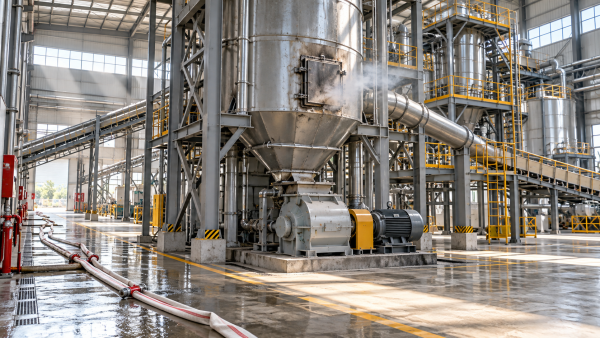
A fire in a grinder bin at Baiada’s Cardiff feed mill, west of Newcastle in New South Wales, was quickly brought under control on the morning of 17 October 2026, according to the supplied event summary. The account reports that major losses were avoided and operations were expected to resume soon. For feed producers, equipment service providers and buyers, the potential implications concern operational safety and delivery continuity. The supplied information identifies no new regulation, standard, certification requirement or trade rule, so any compliance implications require further verification.
Rapid Response Contains the Cardiff Mill Fire
The supplied account states that a grinder bin caught fire inside Baiada’s Cardiff feed mill on the morning of 17 October 2026. Fire and Rescue New South Wales responded promptly and successfully controlled the fire, preventing major losses.
Facility operations were expected to resume soon. The supplied information does not confirm when production actually restarted.
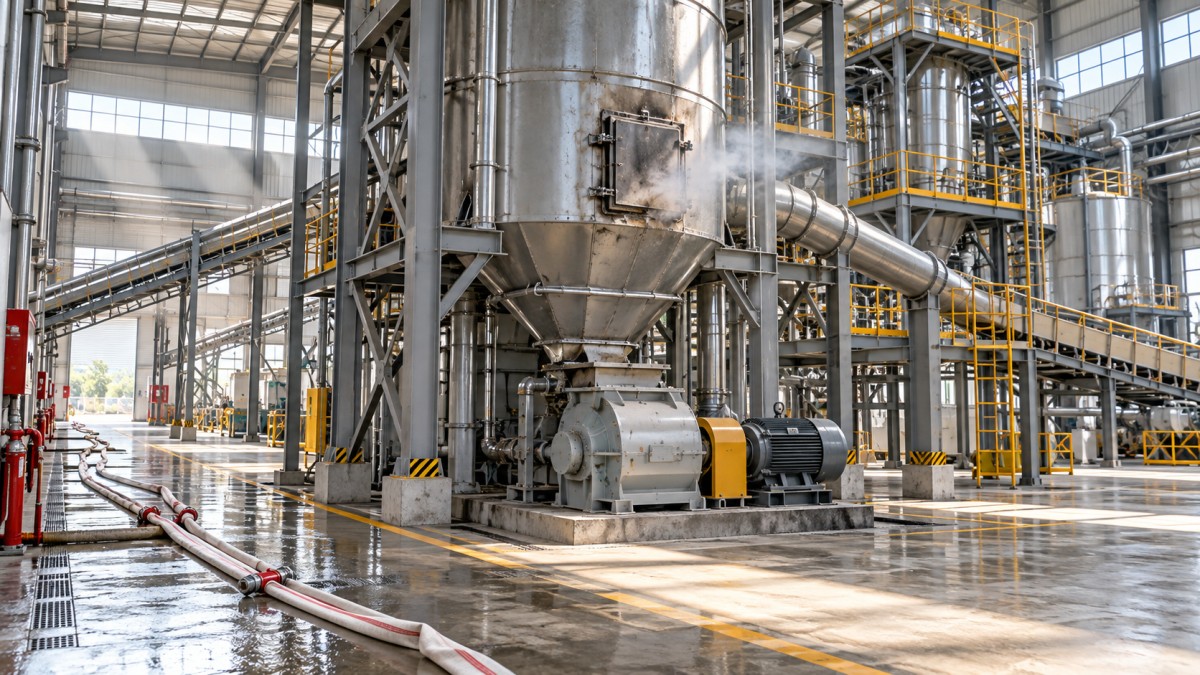
Restart Confidence May Shape Production and Purchasing Decisions
Mill operators: checking the affected equipment
From an industry perspective, the immediate operational question is whether the affected grinder bin and connected production processes can return to service reliably. Operators could consider reviewing equipment condition, maintenance records and internal restart procedures. These are suggested checks arising from the incident; the supplied account does not identify a technical cause, a compliance breach or an imposed corrective measure.
Feed buyers: confirming availability before adjusting orders
Analysis suggests that buyers whose orders depend on the facility may benefit from confirming production availability and dispatch expectations. An anticipated early restart does not establish that every order will proceed on its original schedule. Equally, the account provides no evidence of actual delivery delays, shortages or changes to purchasing terms.
Equipment and service providers: defining any follow-up work
For equipment suppliers and maintenance providers, a possible consequence is demand for inspection or servicing if the operator determines that further work is needed. Any proposed work should be based on verified equipment findings. The incident alone does not establish a need for replacement equipment, a revised technical standard or additional certification.
Practical Checks Before Relying on a Return to Service
Verify restart status and delivery commitments
As a practical recommendation, buyers could distinguish between an expected restart and confirmed production availability. Where an order depends on the mill, checking the applicable dispatch date would provide a firmer basis for procurement planning. Contingency purchasing could be assessed if a disruption is confirmed.
Review the basis for equipment release
From an operational assurance perspective, the operator could review available inspection findings, maintenance documentation and the basis for returning affected equipment to service. The supplied information does not establish whether any external clearance, testing or certification is necessary, so no such requirement can be inferred.
Check any subsequent official instructions
Businesses assessing compliance implications should verify whether later official communications introduce incident-specific directions or clarify applicable obligations. This is a recommendation to monitor subsequent information, rather than a statement that an enforcement action or rule change has occurred.
A Safety Incident Does Not Establish a Regulatory Change
On the information supplied, this event is best understood as an operational safety incident with possible supply continuity implications. It does not provide evidence of a newly implemented industry rule, a change in regulatory enforcement or a revised certification process.
As an editorial observation, any broader compliance significance would depend on subsequent verified findings or instructions. Information about the cause, equipment condition and actual restart could affect business decisions, but those details are absent from the supplied account. The successful emergency response should therefore be assessed separately from any later determination about operational compliance.
Keep Procurement Decisions Proportionate to Confirmed Developments
Analysis suggests that the most useful immediate response is to verify operating status, assess order-specific exposure and review relevant equipment documentation where appropriate. The reported containment and expected early recovery offer a limited basis for assessing disruption; they do not confirm that production or deliveries have already returned to normal.
For industry readers, the event warrants attention as a prompt to examine operational readiness and supplier communication. A broader conclusion about regulation, certification or market disruption would require additional evidence.
Basis of Reporting and Points Still to Verify
This article is based solely on the user-provided news title, event date and event summary. No specific official source links were included in the input, and the account requires continued verification. Relevant materials for subsequent checking could include official emergency service statements, company announcements and any applicable regulatory communications.
Further observation should focus on confirmation of the actual restart, any verified delivery effects, findings about the fire and any subsequent official instructions. The supplied material identifies no policy amendment, revised certification interpretation or change to trade requirements.
Related Intelligence
- Commercial Feed PelletFire Quickly Extinguished in Grinder Bin at Baiada’s Cardiff Feed Mill in AustraliaBaiada’s Cardiff feed mill fire was reportedly contained quickly. Explore grinder bin safety, restart uncertainties and key supply continuity checks for feed buyers.
- Commercial Feed PelletHow to Build a Sanitary Feed Production Plan That Reduces Cross-ContaminationSanitary feed production planning: reduce cross-contamination with smarter sequencing, validated flushing, material segregation, and traceable sanitation controls.
- Commercial Feed PelletFeed Pellet Mill Sourcing: How to Vet Suppliers for Capacity, Quality, and SupportFeed pellet mill sourcing made smarter: vet suppliers for proven capacity, pellet quality, lifecycle cost, factory controls, commissioning, and reliable after-sales support.
The Morning Broadsheet
Daily chemical briefings, market shifts, and peer-reviewed summaries delivered to your terminal.