

The Authority in Global Agricultural Chemistry & Bio-Resources
Suez Capacity Cut Extends RAS Sensor Lead Times

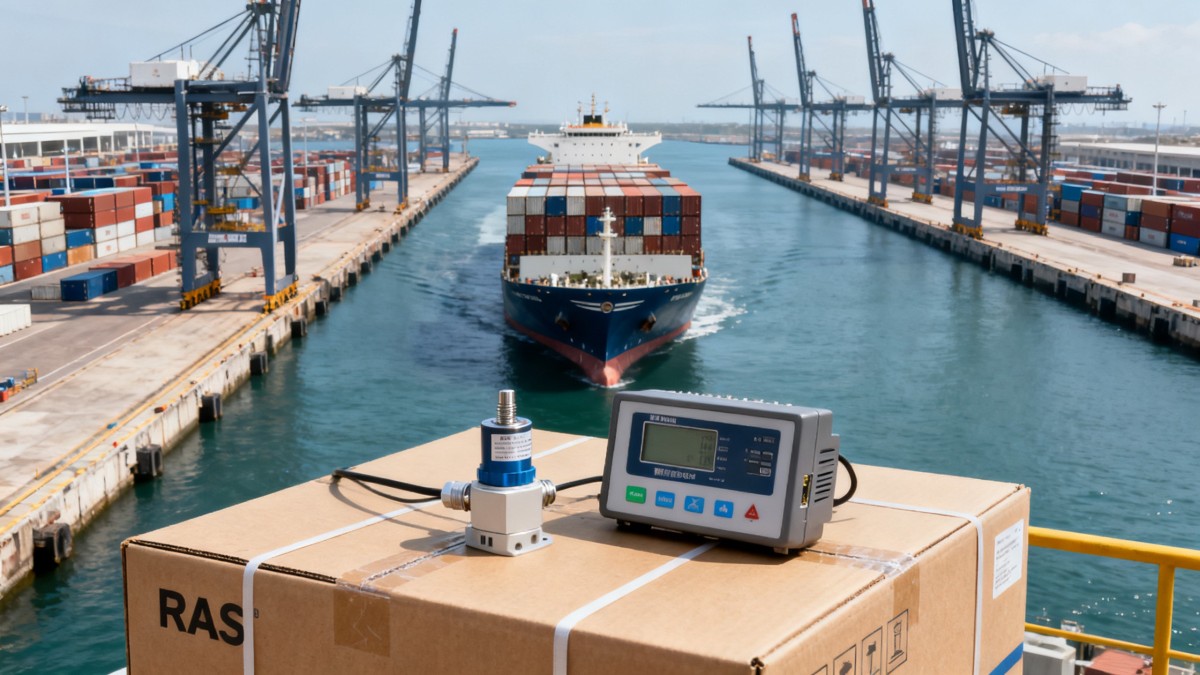
On June 26, 2026, the latest BIMCO notice pointed to a concrete operating-rule shift in the Suez corridor: daily transit slots were reduced from eight to four, while Cape of Good Hope rerouting continued to add time to vessel schedules. For exporters shipping RAS Systems core components from China to Europe and the Middle East, this has already translated into longer delivery cycles for key items such as dissolved oxygen sensors and intelligent feeding controllers. The development matters because it is not only a shipping disruption; it is also a trade-execution signal that can affect procurement timing, supplier qualification decisions, delivery commitments, and after-sales planning across aquaculture equipment supply chains.
What has been confirmed as of June 26
According to the BIMCO update dated June 26, 2026, a new round of geopolitical conflict has reduced Suez Canal transit allocations from eight daily sailings to four. At the same time, rerouting via the Cape of Good Hope is adding an average of 19 days to voyages.
Based on the same summary, logistics delivery cycles for RAS Systems core parts exported from China to Europe and the Middle East, including dissolved oxygen sensors and intelligent feeding controllers, have generally been extended by 14 days.
The summary also states that leading aquaculture integrators in Germany and the UAE have started evaluating secondary supplier substitution.
Where the pressure is likely to appear first
Export shipments tied to project delivery windows
From an industry perspective, exporters of RAS components may be affected first because the rule change directly alters route capacity and voyage timing. The impact is likely to show up in shipment scheduling, promised delivery dates, and coordination with overseas buyers. What deserves closer attention is whether trade documents, shipment notices, and contract delivery language still match the updated logistics reality, especially where delivery timing is linked to installation or acceptance milestones.
Procurement teams managing critical component continuity
For buyers and sourcing teams, the pressure point is not only later arrival of goods but also the risk that component substitution discussions move forward before internal review is complete. Analysis shows that procurement teams should pay close attention to qualification records, approved supplier lists, and technical document alignment for core parts such as sensors and feeding controllers. Where substitution is being considered by customers or integrators, documentation discipline becomes more important because delivery pressure can quickly become a specification or traceability issue.
System integrators and after-sales coordinators
Integrators and service teams may face knock-on effects in commissioning schedules, spare-parts readiness, and maintenance planning. Observably, when core RAS components arrive later, the issue can extend beyond inbound logistics into downstream execution, including field replacement timing and service-response arrangements. The practical concern is whether existing project files, maintenance commitments, and installed-base support plans adequately reflect the longer lead time now being seen in cross-border deliveries.
Supply-chain intermediaries handling trade execution
Supply-chain service providers are also exposed because reduced canal slots can change booking certainty and shipment sequencing. Analysis shows that closer review of booking status, transit assumptions, and customer communications is now warranted. Even without a new formal compliance rule in the product itself, execution risk increases when transport constraints begin to affect delivery declarations and procurement commitments.
What companies should watch in the near term
Review whether delivery terms still match actual transit conditions
Analysis shows that companies should re-check current lead-time assumptions in quotations, contracts, and shipment planning for affected RAS components. The key point is not that all terms must change immediately, but that delivery language should be consistent with the now-confirmed reduction in Suez transit windows and the longer routing alternative.
Keep supplier qualification and substitution files current
Because secondary supplier evaluation has already started among some overseas integrators, what deserves closer attention is whether qualification files, technical specifications, test records, and traceability materials for core components are complete and ready for buyer review. If substitution pressure increases, incomplete documentation could become a commercial and compliance friction point even before any formal supplier switch occurs.
Track tender and technical document wording
Observably, longer logistics cycles can affect how delivery obligations are interpreted in tenders, purchase orders, and project schedules. Companies involved in Europe- and Middle East-bound business should closely monitor whether technical bid alignment, spare-parts requirements, or delivery milestones are being adjusted by buyers in response to shipping constraints. The current input does not confirm such changes, so this remains a monitoring point rather than an established result.
Prepare for tighter coordination between sales, logistics, and service teams
From an industry perspective, the immediate operational need is internal alignment. Sales teams may need updated delivery messaging, logistics teams may need revised routing expectations, and after-sales teams may need contingency planning for delayed replacement parts. This is especially relevant for components that sit close to system control or monitoring functions, where project delay can quickly turn into customer-service pressure.
Why this looks more like an execution signal than a settled new normal
Analysis shows that this development is best understood as an active execution signal rather than a fully settled long-term market rule. The confirmed facts are clear: Suez transit allocations have been cut, rerouting adds time, and lead times for certain RAS components have already lengthened. What remains less clear is how long this operating pattern will hold, how broadly buyers will move from evaluation to actual supplier substitution, and whether procurement and tender practices will formally adjust in response.
Observably, the most relevant takeaway for the industry is that logistics constraints are starting to influence commercial behavior upstream and downstream at the same time. That does not yet prove a durable structural shift, but it does indicate that companies should treat delivery assurance, supplier documentation, and customer communication as near-term control points.
How the market is likely to read this update for now
At this stage, the update carries practical significance because it links a transport-rule change directly to delivery performance for specific RAS components. It is more appropriate to understand this as a confirmed disruption with immediate supply-chain consequences and a possible trigger for wider procurement review, rather than as a final industry-wide reset. The rational conclusion is that companies exposed to Europe- and Middle East-bound RAS trade should continue watching execution details, buyer responses, and any changes in qualification or delivery requirements before drawing broader market conclusions.
Basis of this article and what still needs verification
This article is based on the user-provided news title, event date, and event summary. For developments of this kind, relevant source categories typically include official notices, regulator releases, customs or trade-administration information, industry association updates, standards-body documents, and reporting by authoritative media.
A specific official source link was not provided in the input, so continued verification is still required. What deserves closer attention is any follow-up detail on operating rules, procurement interpretation, certification or qualification expectations, tender-document changes, market feedback, and how companies in the supply chain are actually implementing their response.
Related Intelligence
- RAS SystemsHow to Vet Middle East Oxygenation System Suppliers for RAS ProjectsOxygenation system suppliers Middle East: learn how to vet RAS partners for proven performance, resilience, local service, and lifecycle value.
- RAS SystemsRAS System Cost Model: What Investors Should Budget Beyond Initial EquipmentRAS system cost model guide for investors: budget beyond equipment for energy, compliance, working capital, resilience, and sustainable returns.
- RAS SystemsRAS Technology Explained: How Biofiltration and Oxygen Control Work TogetherRAS technology explained: discover how biofiltration and oxygen control work together to maintain stable water quality, protect fish health, and improve aquaculture performance.
The Morning Broadsheet
Daily chemical briefings, market shifts, and peer-reviewed summaries delivered to your terminal.
