

The Authority in Global Agricultural Chemistry & Bio-Resources
FDA Tightens Import Screening for Food Grade Enzymes
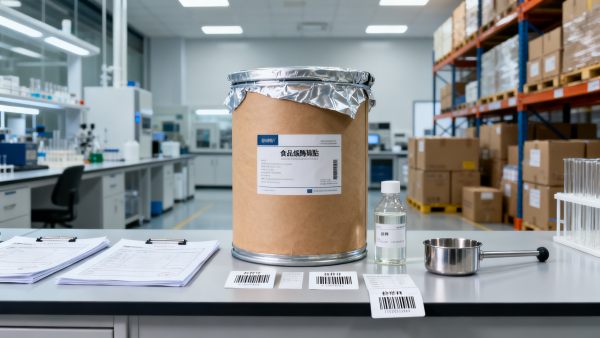
On July 12, 2026, the U.S. FDA updated its import priority inspection list for food grade enzymes, placing protease, amylase, and phytase products originating from China, India, and Brazil into an A-level priority sampling sequence. For exporters, importers, ingredient buyers, and supply chain teams serving the U.S. market, this matters because the change took effect immediately and now ties customs-facing compliance more closely to laboratory documentation on thermal stability and enzyme activity unit traceability.
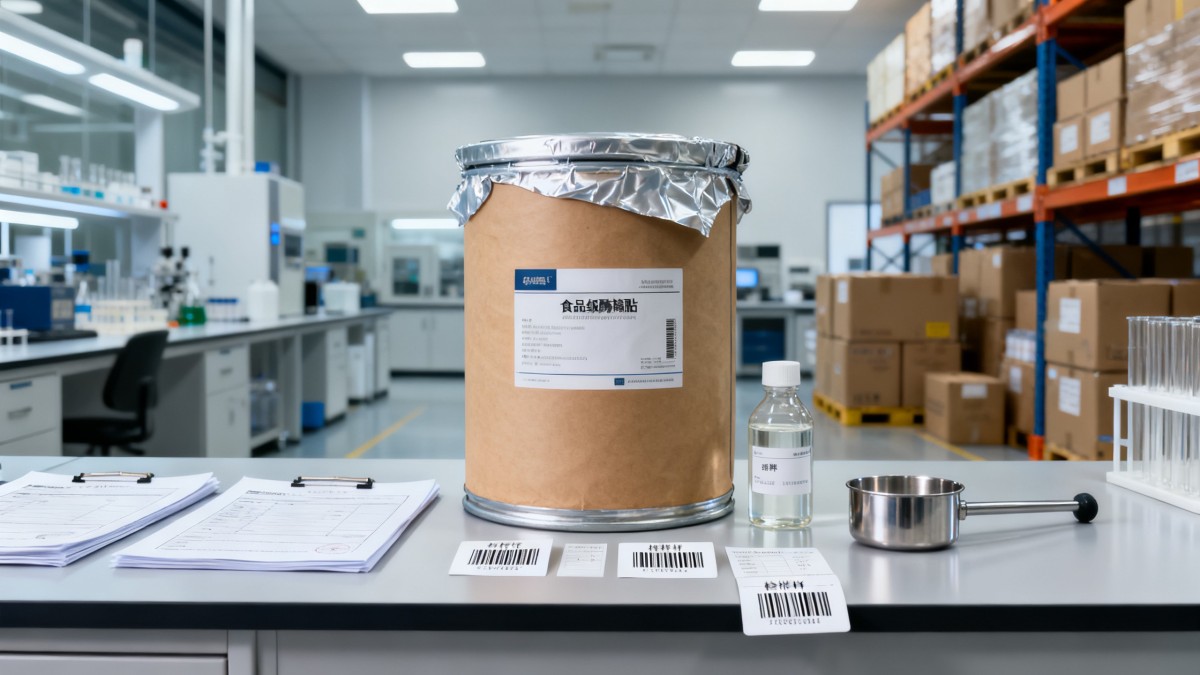
What the FDA Announced on July 12
According to the information provided, the FDA issued its “2026 Q3 Key Import Monitoring Notice for Food Enzymes” on July 12, 2026. The notice added three product categories sourced from China, India, and Brazil to the A-class priority inspection sequence: protease, amylase, and phytase.
The updated requirement states that shipments must be accompanied by a thermal stability verification report issued by an ISO/IEC 17025 accredited laboratory, along with a declaration on the traceability of enzyme activity units. The new rule became effective immediately. The initial inspection failure rate was reported as above 37%.
Where the Pressure Is Likely to Appear First
Export-facing traders and U.S. import handlers
From an industry perspective, this group is likely to face the most immediate operational impact because the FDA change directly affects import screening and document readiness at the point of entry. The practical pressure is likely to center on whether shipment files are complete, whether supporting reports match the specific goods presented, and whether customs clearance timelines become less predictable for the listed enzyme categories.
Ingredient procurement and sourcing teams
Procurement functions that rely on protease, amylase, or phytase imports from the named origin countries may need to pay closer attention to supplier qualification and pre-shipment documentation. Analysis shows that the issue is not only product availability, but also whether required validation materials can be prepared in a form acceptable for immediate review when goods move into the U.S. market.
Manufacturers using the covered enzyme categories
For processors and manufacturers that incorporate these food grade enzymes into production, the main exposure may appear in inbound material scheduling, release timing, and contingency planning. What deserves closer attention is whether a higher inspection burden at import creates downstream disruption in production planning, especially where enzyme inputs are tied to narrow delivery windows.
Testing and supply chain service providers
Service providers connected to laboratory testing, compliance documentation, and shipment coordination may also see a more demanding review environment. Observably, the FDA notice raises the importance of report quality, accreditation status, and traceability statements as operational documents rather than background paperwork.
What Companies Should Track Now
Document completeness against the stated FDA requirements
Companies involved with the covered products should check whether thermal stability verification reports are issued by ISO/IEC 17025 accredited laboratories and whether enzyme activity unit traceability declarations are prepared consistently across shipment files. The immediate effective date makes document gaps a near-term business issue rather than a later compliance task.
Exposure by product type and country of origin
Businesses should map current and pending U.S.-bound shipments involving protease, amylase, and phytase from China, India, and Brazil. Analysis shows that understanding exposure at the SKU, batch, and customer order level may be more useful than treating the notice as a general regulatory headline.
Supplier communication and lead-time assumptions
What deserves closer attention is whether suppliers can provide the required reports and declarations without delaying dispatch. For importers and buyers, this means reviewing lead-time assumptions, booking schedules, and customer communication plans in case additional inspection or re-documentation affects delivery commitments.
Further clarification and follow-on enforcement signals
Because the rule is already in force and the initial failure rate was reported above 37%, companies should continue monitoring whether later FDA language, market responses, or procedural interpretations change how the requirement is applied in practice. The policy signal and the day-to-day enforcement outcome may not be identical, so both need separate attention.
Why This Looks Like More Than a Routine Update
Analysis shows that this development is more than a routine list adjustment because it combines three elements at once: named product categories, named origin countries, and named documentation requirements. That creates a more targeted compliance signal for the food enzyme trade into the United States.
It is more appropriate to understand this as a near-term enforcement tightening with possible longer-term implications, rather than as a settled industry outcome. The immediate effect and the reported first-round failure rate suggest real operational consequences, but the broader market impact still needs continued observation. For now, the most relevant question is not only whether inspections increase, but whether documentation discipline becomes a more permanent threshold for market access in these enzyme categories.
How the Market May Need to Read This Signal
From an industry perspective, the current update is best read as a specific compliance and supply chain signal tied to food grade enzyme imports into the U.S. market. It does not by itself establish a full long-term trend, but it does indicate that affected companies should treat laboratory validation documents and traceability statements as front-line trade requirements. The combination of immediate effectiveness and a reported failure rate above 37% means the issue deserves operational attention now, while longer-term implications still require further watching.
Basis of This Article and What Still Needs Verification
This article is based on the user-provided news title, event date, and event summary concerning the FDA update to the import priority inspection list for food grade enzymes. For this type of development, source categories typically relevant to ongoing verification include official agency notices, company disclosures, industry association updates, authoritative media reports, and standards-related documentation.
No specific official source link was provided in the input, so the exact original publication link still needs to be verified on an ongoing basis. Observably, the next points worth tracking are whether the FDA issues further clarification, whether enforcement language changes in later notices, and whether additional implementation details emerge around testing documentation and import review practice.
Related Intelligence
- Food Grade EnzymesWhat Drives Industrial Enzyme Costs? Activity, Format, and Supply Risk ExplainedIndustrial enzyme cost factors explained: compare activity, formulation, shelf life, documentation, and supply risk to reduce process costs and improve purchasing decisions.
- Food Grade EnzymesIs There a Global Standard for Biochemical Engineering Product Quality?Is there a global standard for biochemical engineering product quality? Explore GMP, ISO, traceability, and supplier checks for confident global sourcing.
- Food Grade EnzymesHow Enzymes for Cracker Formulation Improve Texture and Shelf LifeEnzymes for cracker formulation can enhance dough handling, crisp texture, and shelf life. Explore targeted enzyme strategies for consistent, high-quality crackers.
The Morning Broadsheet
Daily chemical briefings, market shifts, and peer-reviewed summaries delivered to your terminal.
