

The Authority in Global Agricultural Chemistry & Bio-Resources
BPOM Opens Fast-Track for Smart Greenhouse Systems
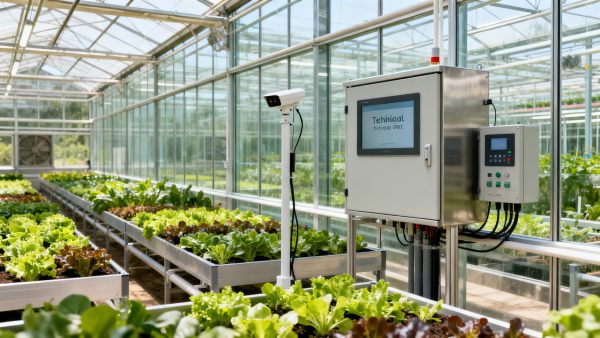
On July 12, 2026, Indonesia’s Food and Drug Supervisory Agency (BPOM) announced a 60-day fast-track certification route for Smart Greenhouse control systems that meet the IEC 62443-3-3 industrial cybersecurity standard. For Chinese manufacturers, the change is notable because filings can be made through a BPOM-recognized local representative using a type test report and a source code audit summary, without sending the full machine for testing. From an industry perspective, this is relevant not only to equipment makers, but also to distributors, local compliance partners, and buyers planning delivery schedules into the Indonesian market.
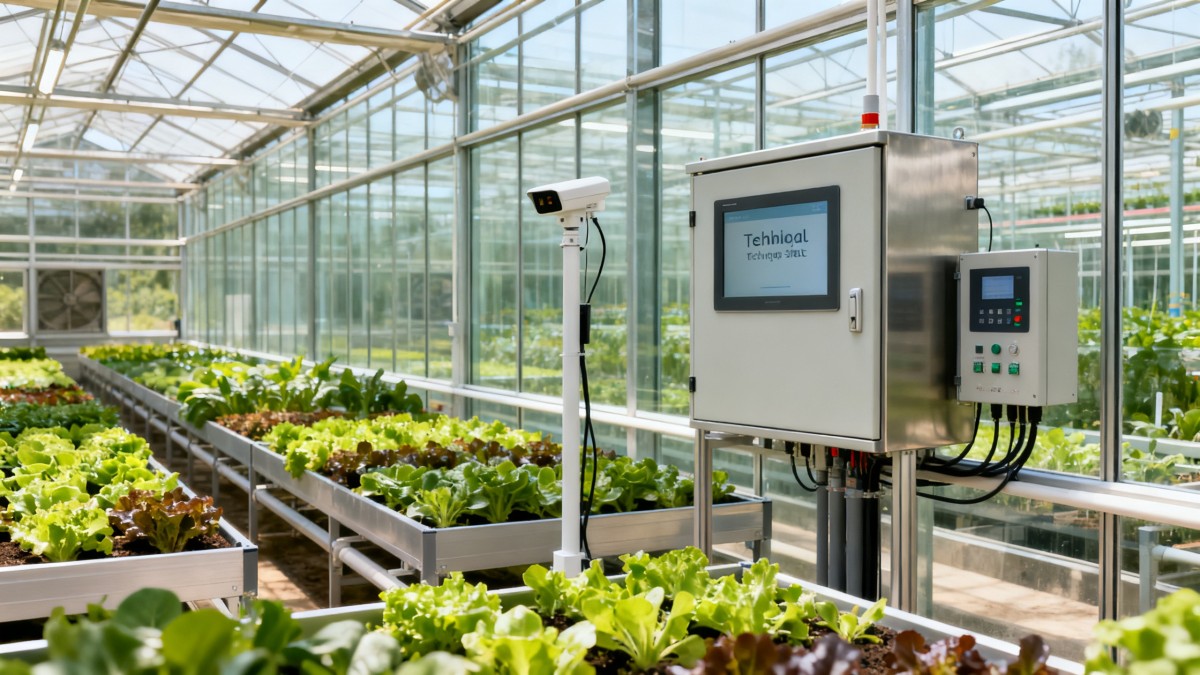
What BPOM Confirmed on July 12
According to the information provided, BPOM introduced a 60-day accelerated certification path for Smart Greenhouse control systems that comply with IEC 62443-3-3. The announcement was made on July 12, 2026.
The confirmed scope in the provided information is limited to Smart Greenhouse control systems that satisfy the stated industrial network security standard. For Chinese manufacturers, submission may be handled through a BPOM-recognized local representative.
The materials referenced in the provided summary are a type test report and a source code audit summary. The same summary states that full-machine sample submission is not required under this route, and that the process is 65% faster than the regular procedure.
Where the Immediate Impact May Be Felt
For equipment manufacturers, certification preparation becomes more document-driven
Analysis shows that manufacturers of Smart Greenhouse control systems may feel the impact first in their compliance workflow. The practical effect is less about product redesign in itself and more about whether existing testing records, cybersecurity compliance evidence, and software review materials are organized well enough to support a faster filing window.
What deserves closer attention is the shift in emphasis from shipping a full unit for testing to preparing accepted documentation. That can change internal coordination across engineering, regulatory, and export teams.
For local representatives and service partners, execution quality becomes more visible
Observably, BPOM-recognized local representatives may take on a more central role because the submission route specifically runs through them for Chinese manufacturers. The immediate business impact is likely to appear in filing accuracy, document completeness, and communication speed between overseas manufacturers and Indonesian compliance contacts.
For service partners, the issue is not simply access to a faster lane, but whether they can interpret submission requirements consistently and keep the process moving within the promised framework.
For buyers and channel partners, delivery planning may change before market demand does
From an industry perspective, importers, distributors, and project buyers may watch this development through the lens of lead time. A shorter certification route can affect launch timing, procurement sequencing, and discussions around shipment readiness.
At the same time, the current information does not confirm broader market outcomes. The near-term effect is better understood as a possible change in approval timing rather than proof of demand expansion.
What Companies Should Watch Next
Check whether products clearly fit the stated scope
Companies should first focus on whether their products are in fact Smart Greenhouse control systems within the meaning of the announced route, and whether IEC 62443-3-3 compliance can be clearly demonstrated. In practice, scope interpretation often matters as much as the existence of a fast-track channel.
Prepare submission materials around the new route
The provided information points to three practical items: a type test report, a source code audit summary, and filing through a BPOM-recognized local representative. For companies targeting Indonesia, this makes document readiness a near-term operational issue, especially where testing, software review, and regulatory documentation are managed by different teams or vendors.
Separate policy signal from actual processing experience
Analysis shows that an announced accelerated path and a consistently smooth filing experience are not automatically the same thing. Companies should pay close attention to how the route is described in subsequent official wording, how documentation is interpreted in practice, and whether any additional procedural clarification emerges during implementation.
Align customer communication with realistic lead times
For sales teams, distributors, and account managers, the key point is to communicate carefully about certification timing. The provided summary indicates a 65% faster process than the regular route, but execution still depends on submission quality and the use of a recognized local representative. That distinction matters for quoting timelines and managing delivery expectations.
Why This Looks More Like a Regulatory Signal Than a Final Outcome
Observably, this update is meaningful because it combines two messages in one move: BPOM is recognizing a faster route for a defined product category, and it is tying that route to IEC 62443-3-3 cybersecurity compliance. That suggests certification speed and technical documentation quality are being linked more directly in this segment.
It is more appropriate to understand this as a regulatory and operational signal rather than a fully proven market shift. The announcement is specific and actionable, but the broader commercial effect will still depend on how often the route is used, how consistently submissions are handled, and whether follow-on clarifications refine the process.
How to Read the Development at This Stage
At this stage, the BPOM announcement is best read as a concrete procedural change with immediate relevance for Smart Greenhouse system suppliers entering Indonesia, especially Chinese manufacturers able to organize compliance materials around the stated requirements. The strongest near-term implication is on certification workflow, documentation strategy, and timeline management.
From an industry perspective, this is not yet a basis for broad conclusions about demand, competition, or long-term market structure. It is a targeted update that may improve execution efficiency for qualified products, while still requiring close observation as implementation unfolds.
Basis of This Article and Ongoing Verification
This article is based on the user-provided news title, event date, and event summary concerning BPOM’s fast-track certification route for Smart Greenhouse equipment. In coverage of this kind, commonly relevant source types may include official agency notices, company statements, industry association updates, authoritative media reports, and standards organization documents.
A specific official source link was not provided in the input, so further verification remains necessary. What deserves continued attention is any later official clarification on scope, documentation requirements, representative qualifications, and how the accelerated timeline is applied in practice.
Related Intelligence
- Smart GreenhouseGreenhouse Equipment for Vertical Farming: Choosing Lighting and VentilationChoose greenhouse equipment for vertical farming with confidence. Compare lighting, airflow, and moisture control to improve crop uniformity and manage costs. Explore the guide.
- Smart GreenhouseSelecting Greenhouse Propagation Equipment for Hot, Humid Southeast Asian NurseriesGreenhouse propagation equipment Southeast Asia: discover how to select resilient irrigation, ventilation, benches, and automation for hot, humid nurseries.
- Smart GreenhouseWhat Are the Biggest Challenges in Agri-Tech Adoption in 2026?What are the biggest challenges in agri tech adoption for 2026? Explore cost, data, connectivity, skills, compliance, and ROI barriers.
The Morning Broadsheet
Daily chemical briefings, market shifts, and peer-reviewed summaries delivered to your terminal.
