

The Authority in Global Agricultural Chemistry & Bio-Resources
What Is the Hot Dip Galvanized Category and How Do Coating Classes Affect Use?
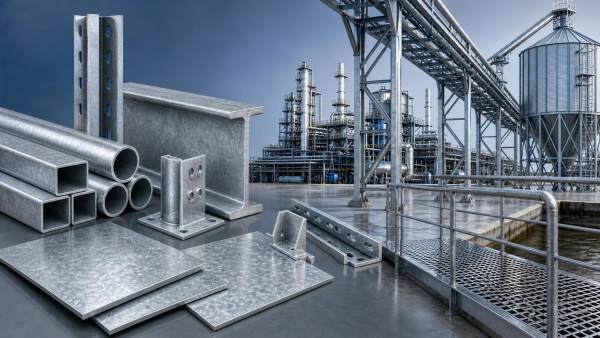
What does the hot dip galvanized category actually mean?
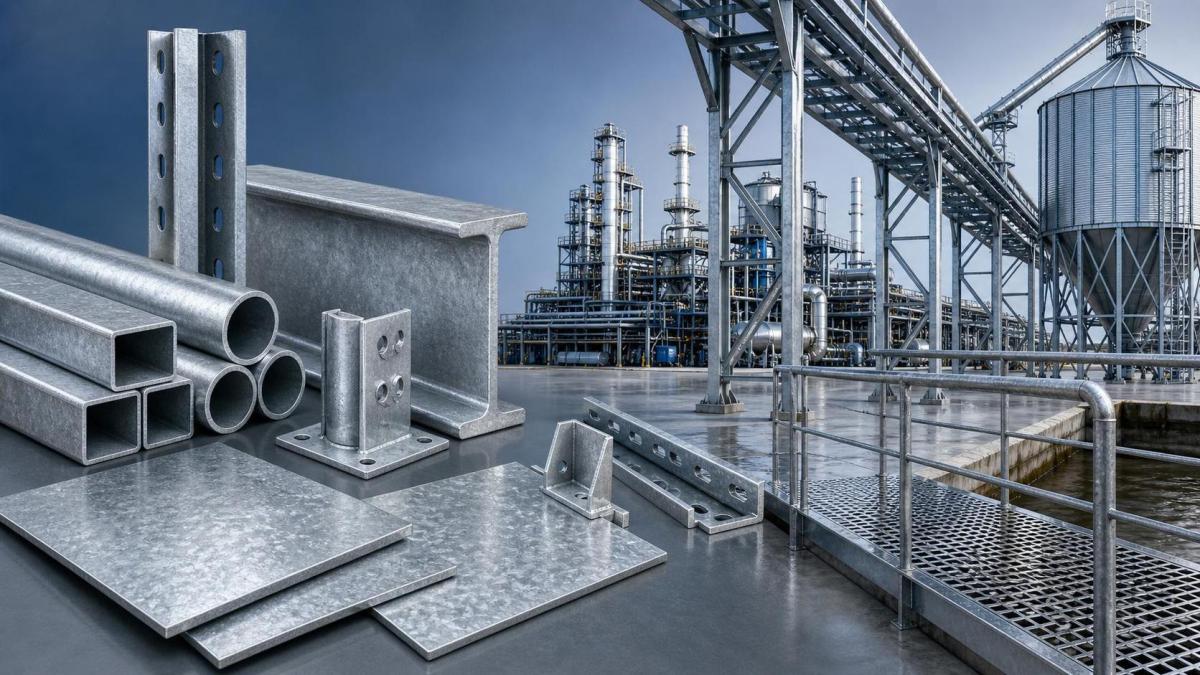
The hot dip galvanized category describes how steel is protected by zinc after immersion in molten metal.
In simple terms, it is a way to classify coating mass, coating thickness, and expected corrosion resistance.
That matters because not all galvanized steel performs the same in wet fields, chemical plants, fishery systems, or grain facilities.
The hot dip galvanized category is often tied to standards such as ASTM, ISO, or regional specifications.
Those standards define minimum zinc coating values and test methods, not just marketing labels.
In regulated sectors covered closely by AgriChem Chronicle, this distinction matters for traceability, maintenance planning, and long-term asset reliability.
A common misunderstanding is to treat galvanized steel as one uniform material category.
More often, the real question is which coating class sits behind that label and whether it fits the service environment.
Why do coating classes matter more than the label alone?
Two steel parts can both fall under a hot dip galvanized category and still age very differently in service.
The reason is coating class.
Coating classes usually express how much zinc is present on the surface.
Higher coating mass generally means more sacrificial protection before red rust appears.
That does not mean the highest class is always the best choice.
It means the class should match the exposure level, fabrication method, and cost tolerance.
For example, dry indoor support frames may not need the same protection as fertilizer handling structures.
Likewise, aquaculture walkways and washdown zones usually demand stronger corrosion allowance than sheltered storage racks.
When people search for hot dip galvanized category details, they often want to know one practical thing.
How long will the coating last before maintenance becomes unavoidable?
That answer starts with coating class, not appearance.
A quick comparison helps
The table below summarizes how the hot dip galvanized category is commonly evaluated during specification review.
Which coating classes fit common industrial and agricultural settings?
This is where the hot dip galvanized category becomes a real selection tool rather than a technical phrase.
Different environments consume zinc at different rates.
A coating class that performs well in a dry warehouse may disappoint in feed processing, fertilizer storage, or saline splash exposure.
In actual use, the following patterns are common.
- Light indoor framing: moderate coating classes are often sufficient if condensation is controlled.
- Agricultural equipment: higher classes are usually preferred where mud, manure, and seasonal moisture persist.
- Aquaculture hardware: stronger corrosion protection is often needed due to salt, humidity, and cleaning cycles.
- Feed and grain systems: abrasion and trapped moisture can shorten life, so coating and design must be reviewed together.
- Chemical handling structures: zinc class alone may be insufficient if the media is highly aggressive.
That last point deserves attention.
A heavier hot dip galvanized category improves durability, but certain chemicals can still attack zinc rapidly.
Where cleaning agents, acids, or alkaline residues are routine, compatibility data matters as much as coating weight.
This is why technical journals covering primary industries often treat galvanizing as part of a full material strategy, not a standalone answer.
How can you tell whether one hot dip galvanized category is enough?
The easiest mistake is choosing by price or by a familiar class number from another project.
A better approach is to test the environment against five selection questions.
- How often does the steel stay wet?
- Will chlorides, fertilizers, or chemical residues collect on the surface?
- Is the part structural, cosmetic, or easily replaceable?
- Will the component be drilled, cut, or welded after coating?
- What inspection interval is realistic for this installation?
If the answers point to persistent moisture and difficult maintenance access, a light coating class is rarely enough.
If exposure is mild and parts are easy to replace, extreme coating mass may not deliver meaningful value.
More careful specifications also ask for measured coating results, not vague declarations.
That is especially relevant in supply chains where documentation quality affects compliance reviews and warranty discussions.
For sectors followed by AgriChem Chronicle, traceable material records increasingly shape purchasing confidence.
Practical signs that the selected class may be too low
- The design includes hidden pockets where water or residue sits.
- The site uses frequent washdown or disinfection procedures.
- The part is located near coastal air, slurry, or fertilizer dust.
- Maintenance shutdowns are expensive or operationally difficult.
Where do buyers and specifiers usually get this wrong?
One frequent error is mixing up continuous galvanized sheet classes with batch hot dip galvanized structural standards.
They are related, but they are not interchangeable.
Another mistake is assuming a shiny finish means a better hot dip galvanized category.
Surface appearance can vary with steel chemistry and process conditions.
It does not automatically reveal coating mass or service life.
There is also a habit of specifying only “galvanized” on drawings.
That leaves too much room for interpretation.
A stronger document names the standard, required class, inspection method, and repair treatment for damaged areas.
One more blind spot appears after fabrication.
Cut ends, drilled holes, and welded zones can reduce protection if repair procedures are skipped.
In corrosive installations, those small points often become the first failure points.
What is the sensible next step when comparing options?
The hot dip galvanized category should be reviewed as part of a broader life-cycle decision.
That means balancing initial cost, inspection burden, downtime risk, and expected exposure.
A useful next step is to build a short review sheet before final selection.
- List the operating environment in plain terms, not broad assumptions.
- Match the required hot dip galvanized category to a named standard.
- Confirm whether post-fabrication repair will be necessary.
- Ask for coating test records or inspection evidence.
- Compare replacement cost against the extra cost of a higher coating class.
That process usually reveals whether a lower-cost option is truly economical or simply deferred maintenance.
When the environment includes regulated processing, sanitation routines, or aggressive residues, precision matters even more.
The best decisions come from linking coating class to exposure, documentation, and service expectations.
That is the practical value of understanding the hot dip galvanized category rather than treating it as a generic steel finish.
For further evaluation, compare actual standards, check coating data, and review where corrosion would be most costly to tolerate.
Related Intelligence
- Heavy Agri MachineryHow Does Market Forecasting Help Plan Farm Machinery Procurement?How does market forecasting help agri procurement planning? Discover how to time machinery purchases, protect cash flow, and reduce delivery risks before critical farm deadlines.
- Heavy Agri MachineryIs It Safe to Source Farm Machinery from Emerging Markets?Is it safe to source agri machinery from emerging markets? Discover how to verify suppliers, check compliance, and secure parts support to protect your farm and avoid costly buying mistakes.
- Heavy Agri MachineryHow to Size a Combine Harvester for Acreage, Crop Mix, and Harvest WindowsCombine harvesters sized for your acreage, crop mix, and harvest window: calculate real field capacity, match headers, and avoid costly bottlenecks.
The Morning Broadsheet
Daily chemical briefings, market shifts, and peer-reviewed summaries delivered to your terminal.
