

The Authority in Global Agricultural Chemistry & Bio-Resources
Livestock and Poultry Climate Control: Key Parameters for Stable House Temperature
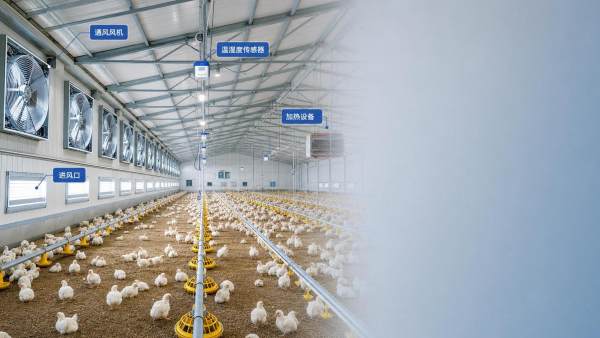
Livestock and Poultry Climate Control: Key Parameters for Stable House Temperature
Effective livestock and poultry climate control is essential for maintaining stable house temperature, reducing animal stress, and improving feed efficiency.
When house conditions drift, production losses usually appear before obvious equipment failure. That is why key parameters matter more than isolated hardware upgrades.
In practical terms, livestock and poultry climate control is a management system. It balances temperature, humidity, airflow, pressure, and heat delivery in real time.
This article explains the core settings that support stable house temperature and shows how to adjust them for more reliable daily performance.
Why Stable House Temperature Is Harder Than It Looks
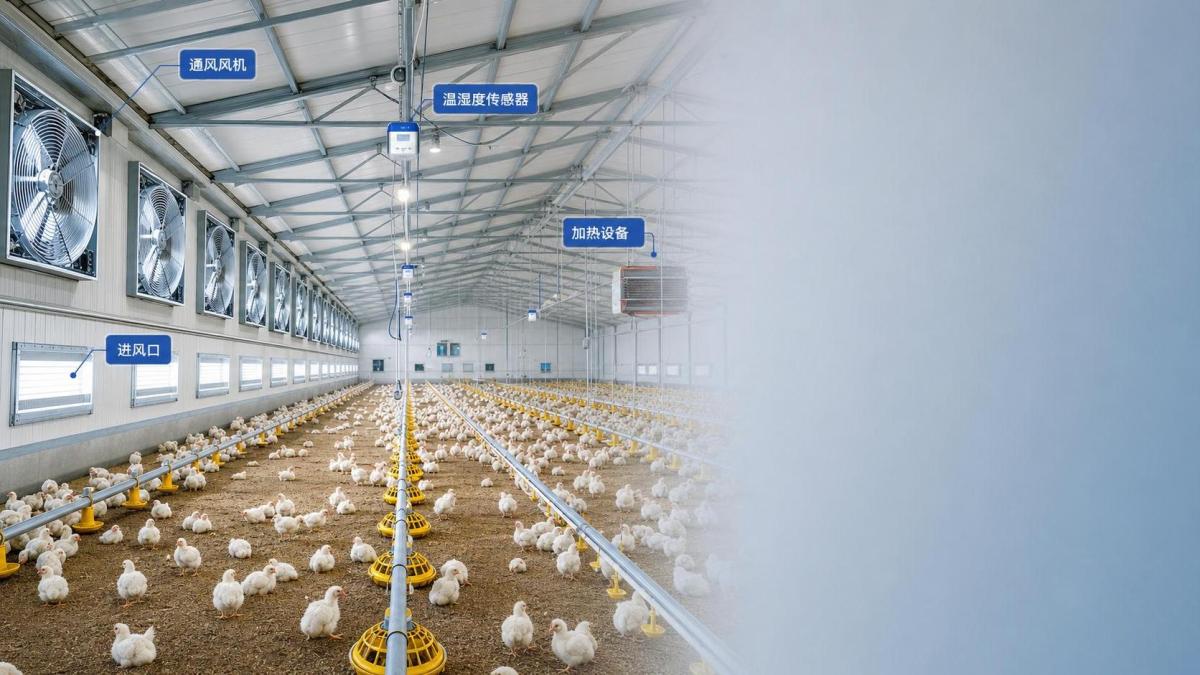
A livestock house does not warm or cool evenly. Air enters at one point, animals produce heat, moisture builds up, and outside weather keeps shifting.
Because of that, livestock and poultry climate control must manage both average temperature and temperature distribution across the building.
Cold corners, wet litter, hot ceiling zones, and stale air often happen at the same time. One thermostat alone cannot detect that complexity.
The real target is thermal stability around the animals. Floor-level conditions matter more than readings taken near heaters or roof peaks.
Once that principle is clear, the most important control parameters become easier to prioritize and adjust.
Parameter 1: Setpoint Temperature and Sensor Placement
Setpoint temperature is the foundation of livestock and poultry climate control. But the right number means little if sensors sit in the wrong location.
Sensors should reflect the animal zone, not the service aisle. They also need protection from drafts, direct radiant heat, and water exposure.
For poultry houses, small vertical differences can change readings enough to trigger unnecessary fan or heater cycles.
Good practice includes multiple sensors across the house. Then compare average temperature against the warmest and coolest zones.
- Place sensors near animal height.
- Keep them away from inlets and heaters.
- Calibrate on a routine schedule.
- Replace drifting sensors before seasonal transitions.
Parameter 2: Ventilation Rate and Minimum Air Exchange
Ventilation is often treated as a summer issue. In reality, it is central to livestock and poultry climate control in every season.
Minimum ventilation removes moisture, ammonia, carbon dioxide, and excess heat without stripping too much warmth from the building.
If the rate is too low, litter stays wet and air quality declines. If it is too high, heating costs rise and temperature becomes unstable.
This is where staging matters. Fans should increase in logical steps based on load, age, density, and outside temperature.
A stable house usually comes from correct minimum ventilation first, then higher-capacity cooling when internal heat builds.
What to check during daily rounds
- Fan run time consistency.
- Condensation on walls or ceilings.
- Ammonia smell near floor level.
- Differences between controller data and real house feel.
Parameter 3: Relative Humidity and Moisture Load
Humidity has a direct effect on animal comfort, litter condition, and disease pressure. It is a major pillar of livestock and poultry climate control.
High humidity makes cool air feel colder and slows drying. Low humidity may increase dust and irritate the respiratory tract.
Moisture load comes from respiration, manure, drinker leakage, and incoming air conditions. It is not only a weather issue.
In many houses, wet litter starts as a climate control problem before it becomes a sanitation problem.
A practical humidity strategy combines steady ventilation, leak control, and enough heat to keep moisture moving out of the building.
Parameter 4: Airflow Speed and Air Distribution Pattern
Airflow speed is not the same as ventilation rate. A house may move enough air overall and still distribute it poorly.
That distinction matters in livestock and poultry climate control, especially during brooding, cold weather, and tunnel ventilation periods.
Incoming air should mix with warm room air before reaching the animals. Otherwise, drafts develop even when average temperature looks acceptable.
In warm seasons, higher air speed can improve sensible cooling. In cool seasons, excessive speed at animal level can increase stress.
Smoke tests, ribbon checks, and static pressure readings are simple ways to verify real distribution patterns inside the house.
Typical airflow warning signs
- Animals clustering away from sidewalls.
- Temperature swings after fan startup.
- Persistent wet spots under certain inlets.
- Dust buildup in dead-air zones.
Parameter 5: Static Pressure and Inlet Opening
Static pressure is one of the most overlooked metrics in livestock and poultry climate control. Yet it strongly affects air throw and mixing quality.
If inlets open too far, incoming air drops too quickly. If they open too little, airflow may become too narrow or uneven.
Static pressure should be checked alongside fan performance, curtain seal, and inlet cleanliness. One poor component can distort the entire pattern.
This is a strong example of how stable house temperature depends on system balance, not on one setting alone.
Parameter 6: Heating Capacity, Recovery Time, and Control Logic
Heating systems should be evaluated by more than rated output. Recovery time after ventilation or door opening is equally important.
In livestock and poultry climate control, slow recovery often leads to overcorrection. Operators increase heat, then fans react, and the cycle repeats.
Good control logic adds staged heating, sensible differential settings, and proper coordination with fan intervals.
Radiant and forced-air systems behave differently. Each needs its own timing, sensor strategy, and maintenance routine.
The practical goal is simple: maintain warmth without large swings, moisture accumulation, or fuel waste.
Parameter 7: Stocking Density, Animal Age, and Seasonal Load
Climate settings should change with the animals, not just with the weather. Heat and moisture production rise as body mass increases.
That means livestock and poultry climate control must be dynamic across growth stages, stocking density, and seasonal transitions.
Brooding conditions require tighter temperature control and draft prevention. Finishing periods usually demand stronger heat removal and air exchange.
Using one fixed program across the full cycle usually creates avoidable stress and inconsistent performance.
A Practical Monitoring Table for Daily Climate Control
Common Errors That Undermine Livestock and Poultry Climate Control
Many problems come from adjustment habits rather than equipment limits. Small errors repeated daily can destabilize the entire environment.
- Relying on one sensor for the whole house.
- Reducing ventilation too aggressively during cold weather.
- Ignoring humidity while chasing temperature targets.
- Skipping inlet and fan maintenance.
- Making large setpoint changes too quickly.
A disciplined review routine usually improves livestock and poultry climate control faster than constant emergency adjustment.
Final Takeaway for More Reliable Environmental Control
Stable house temperature comes from coordinated control, not from one perfect number. That is the core lesson behind effective livestock and poultry climate control.
Start with sensor placement, minimum ventilation, humidity control, airflow pattern, static pressure, and heating response. Then review them as one connected system.
When those parameters are monitored consistently, houses become more predictable, animals stay more comfortable, and production outcomes are easier to protect.
For daily operations, the most useful next step is simple: build a short climate checklist, track trends every shift, and correct drift before performance drops.
Related Intelligence
- Climate Control & VentilationHow to Specify Modular Control Panels for Poultry House Ventilation SystemsModular control panels for poultry ventilation: learn how to specify reliable I/O, sensors, alarms, variable-speed fans, and future-ready expansion.
- Climate Control & VentilationWhat Variable Speed Insights Matter Most When Optimizing Greenhouse Ventilation?Variable speed insights reveal how fan speed affects humidity, airflow, stability, and energy use in greenhouse ventilation. Learn what to adjust first for smarter, more reliable climate control.
- Climate Control & VentilationPoultry Ventilation for Broilers: How to Balance Airflow, Temperature, and Litter QualityPoultry ventilation for broilers made practical: learn how to balance airflow, temperature, humidity, and litter quality to improve flock health, growth, and house performance.
The Morning Broadsheet
Daily chemical briefings, market shifts, and peer-reviewed summaries delivered to your terminal.
