

The Authority in Global Agricultural Chemistry & Bio-Resources
Variable Speed Farm Ventilation for Broiler Houses: When Is It Worth Upgrading?
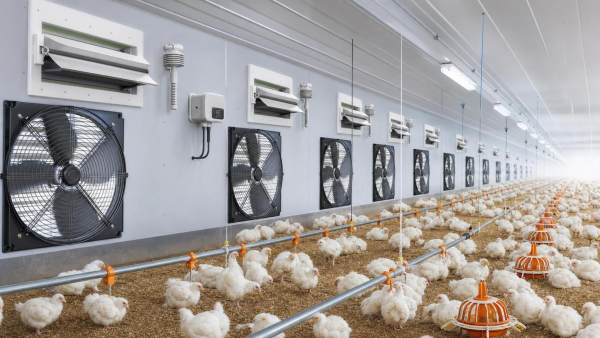
Variable Speed Farm Ventilation for Broiler Houses: When Is It Worth Upgrading?
For broiler producers balancing energy costs, flock health, and long-term capital planning, variable speed farm ventilation is no longer just a technical upgrade. It can be a strategic decision.
The real question is timing. Not every house needs the same investment, and not every operating model captures value at the same speed.
In practical terms, variable speed farm ventilation becomes worthwhile when it reduces energy waste, stabilizes bird performance, and lowers management risk at the same time.
That decision depends on fan runtime, climate pressure, power pricing, house age, and the cost of poor environmental control during critical growth stages.
Why Variable Speed Farm Ventilation Is Gaining Attention
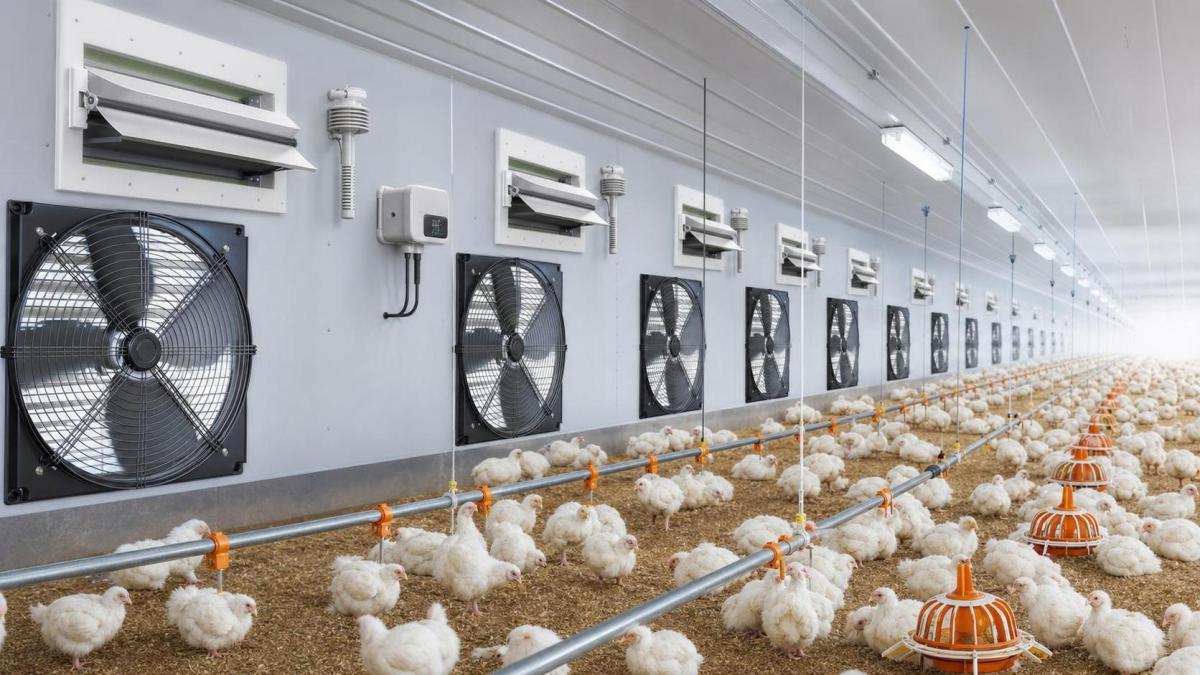
Broiler housing economics have changed. Electricity prices are less predictable, labor is tighter, and production targets leave less room for environmental inconsistency.
Traditional fixed-speed fans usually operate in simple on-off cycles. That works, but it often overshoots airflow needs, especially during mild weather or partial-load periods.
Variable speed farm ventilation adjusts fan output more precisely. Instead of jumping from zero to full power, the system matches airflow to temperature, humidity, ammonia, and bird age.
That sounds technical, but the business effect is straightforward. Better control usually means less wasted energy and fewer environmental swings inside the house.
More importantly, it supports a steadier growing environment. In broiler operations, small environmental gains can translate into measurable feed conversion, mortality, and uniformity improvements.
What Actually Changes After an Upgrade
A variable speed farm ventilation upgrade is not only about replacing fans. It usually involves controls, sensors, motor compatibility, and sometimes air inlet balancing.
When the system is well designed, four operational changes become visible quickly.
- Lower peak energy draw during partial ventilation demand.
- Smoother temperature and humidity control across the day.
- Reduced wear from hard starts and frequent cycling.
- Improved response during shoulder seasons and brood periods.
The last point matters more than many buyers expect. Early-stage broilers are highly sensitive to drafts, moisture, and uneven temperature zones.
A fixed-speed system can create abrupt changes. Variable speed farm ventilation helps maintain minimum ventilation without those sharp swings.
That also means litter quality can improve. Drier litter reduces footpad issues, supports bird comfort, and lowers the risk of ammonia buildup.
When the Upgrade Usually Pays Back
The best candidates share a few common traits. They run long ventilation hours, face meaningful climate variation, or pay high electricity rates.
From a procurement perspective, the upgrade tends to make sense faster in these situations:
- Houses with aging fixed-speed fans and rising maintenance costs.
- Sites in hot, humid, or highly variable seasonal climates.
- Operations with thin performance margins and strict flock targets.
- Facilities exposed to expensive or time-of-use electricity pricing.
- Multi-house farms where management consistency is hard to maintain manually.
Payback is often strongest where fans spend many hours below maximum capacity. That is where variable speed farm ventilation captures the most energy efficiency.
By contrast, if a house already runs efficiently, uses newer staged controls, and operates in a mild climate, the savings case may be less compelling.
In those cases, the decision may depend more on flock performance stability than on utility savings alone.
How to Evaluate the Real Cost of Variable Speed Farm Ventilation
Purchase price is only the starting point. A serious evaluation needs a whole-life cost view.
A practical comparison should include capital cost, installation complexity, controls integration, expected maintenance, and potential downtime during retrofit.
This is where many upgrade cases become distorted. Buyers compare fan prices, but ignore building leakage or weak controls that dilute system performance.
In actual operations, variable speed farm ventilation delivers the strongest returns when the house can hold pressure and distribute air correctly.
The Hidden Value Beyond Energy Savings
Energy gets the most attention because it is easy to quantify. The larger business value is often risk reduction.
Better ventilation control can protect performance during weather transitions, reduce stress during high stocking density, and improve consistency across flocks.
That has downstream effects. More uniform birds simplify processing schedules, reduce grading issues, and improve predictability in contract production models.
There is also a compliance angle. Environmental control is increasingly linked to welfare expectations, documentation standards, and customer scrutiny.
For operations supplying premium or export-sensitive channels, variable speed farm ventilation can support a stronger operational record, not just a lower power bill.
Common Reasons Upgrades Underperform
Not every installation succeeds. Underperformance usually comes from poor system matching rather than from the technology itself.
- Oversized expectations based only on headline energy claims.
- Retrofitting into leaky houses with weak static pressure control.
- Using low-quality sensors or inconsistent calibration routines.
- Ignoring operator training and control setpoint discipline.
- Buying components that do not integrate cleanly with existing systems.
A more obvious signal is when procurement focuses only on lowest upfront cost. That often leads to higher operating costs later.
For variable speed farm ventilation, software logic and commissioning quality matter almost as much as the hardware itself.
A Practical Decision Framework
A disciplined buying process keeps the decision clear. Start with measured operating data, not assumptions.
- Audit current fan runtime, electricity use, and indoor climate stability.
- Check house tightness, inlet function, and control reliability.
- Model savings under seasonal and partial-load operating conditions.
- Estimate flock-performance upside using actual site records.
- Compare full retrofit against phased upgrades by house priority.
- Require supplier support for commissioning, training, and service response.
This approach makes the investment case more defensible. It also separates houses where variable speed farm ventilation will pay back quickly from houses where it will not.
For many broiler operations, the answer is not an all-or-nothing upgrade. A phased rollout often captures the best economics with lower execution risk.
So, When Is It Worth Upgrading?
Variable speed farm ventilation is usually worth upgrading when three conditions align. Energy savings are visible, environmental control is currently inconsistent, and the house can support precise airflow management.
If those conditions are present, the upgrade can improve operating efficiency and flock outcomes together. That is where the strongest return tends to appear.
If they are missing, capital may be better spent first on house sealing, controls modernization, or targeted fan replacement.
The most reliable next step is simple. Audit the current ventilation baseline, rank houses by savings potential, and build the business case around measured site conditions.
That turns variable speed farm ventilation from a promising idea into a procurement decision grounded in cost, performance, and long-term operational value.
Related Intelligence
- Climate Control & VentilationHow to Specify Modular Control Panels for Poultry House Ventilation SystemsModular control panels for poultry ventilation: learn how to specify reliable I/O, sensors, alarms, variable-speed fans, and future-ready expansion.
- Climate Control & VentilationWhat Variable Speed Insights Matter Most When Optimizing Greenhouse Ventilation?Variable speed insights reveal how fan speed affects humidity, airflow, stability, and energy use in greenhouse ventilation. Learn what to adjust first for smarter, more reliable climate control.
- Climate Control & VentilationPoultry Ventilation for Broilers: How to Balance Airflow, Temperature, and Litter QualityPoultry ventilation for broilers made practical: learn how to balance airflow, temperature, humidity, and litter quality to improve flock health, growth, and house performance.
The Morning Broadsheet
Daily chemical briefings, market shifts, and peer-reviewed summaries delivered to your terminal.
