

The Authority in Global Agricultural Chemistry & Bio-Resources
Where to Find Practical Trade Compliance Information for Agricultural Imports
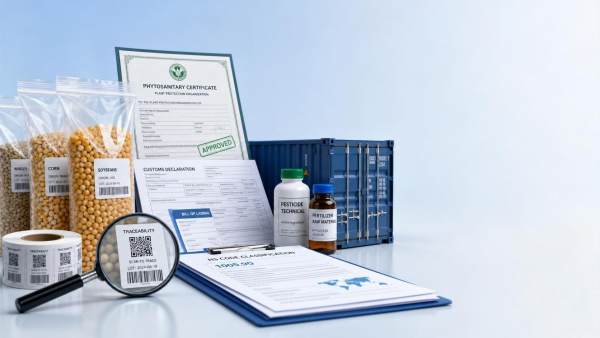
Why does practical trade compliance information matter so much for agricultural imports?
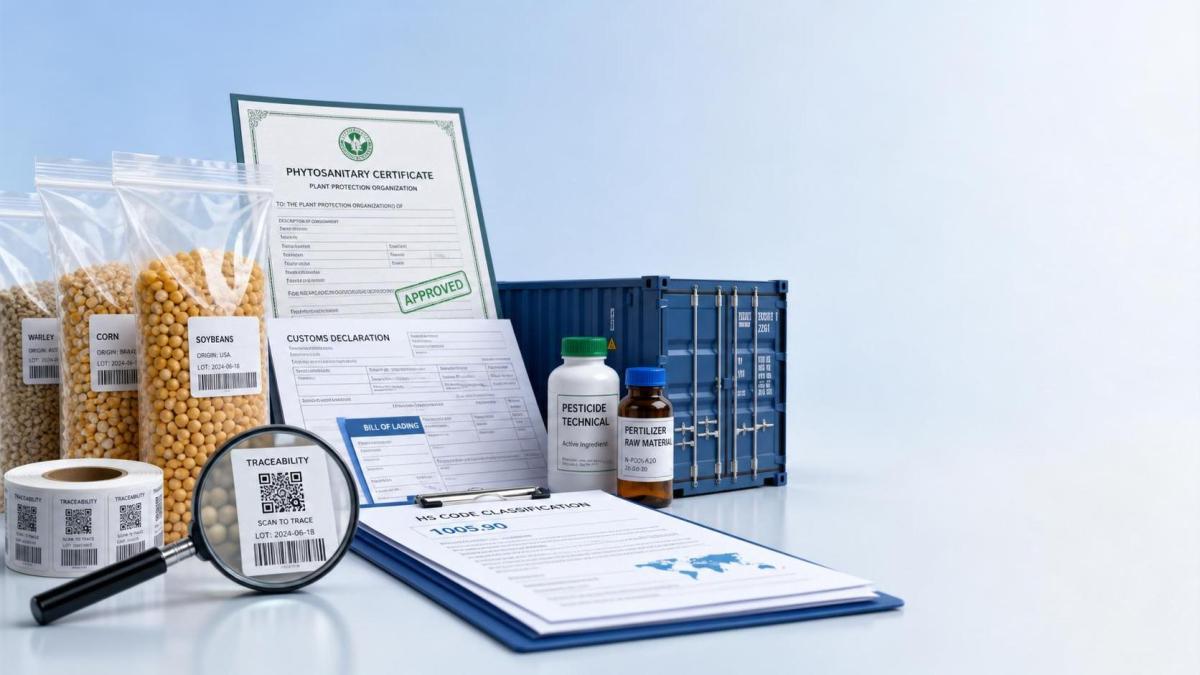
Agricultural imports rarely fail because of price alone. More often, they fail because documentation, classification, or inspection rules were misunderstood too late.
That is why practical trade compliance information matters. It turns broad regulation into usable checks before contracts, shipments, and customs filings are locked in.
In real sourcing work, the challenge is not finding rules in theory. The challenge is finding guidance that explains how those rules apply to grains, feed inputs, crop chemicals, extracts, or machinery-linked agricultural goods.
Reliable practical trade compliance information helps verify origin claims, review phytosanitary paperwork, confirm label requirements, and identify whether a supplier understands destination-market controls.
This is especially relevant when supply chains cross regulated sectors. Agricultural products now intersect with food safety, environmental rules, customs law, and, in some cases, chemical or pharmaceutical standards.
Public agencies remain the first source of authority. Still, specialized journals such as AgriChem Chronicle help interpret technical developments across agriculture, fine chemicals, bio-extracts, and processing industries.
That combination matters. Official rules provide legal certainty, while sector analysis helps translate those rules into sourcing decisions, supplier screening, and risk ranking.
Where should you look first when searching for practical trade compliance information?
A good starting point is the destination country’s customs authority. Tariff classification notes, import procedures, rulings, and border alerts often reveal the most immediate compliance risks.
The second source is the national agriculture or food authority. This is where phytosanitary conditions, pest controls, residue tolerances, quarantine measures, and permit requirements are usually published.
When products involve additives, extracts, or chemically processed inputs, environmental and health regulators also matter. Standards linked to EPA, FDA, or comparable agencies can affect admissibility and labeling.
Trade agreement portals are another practical source. They help confirm duty treatment, origin rules, certificate formats, and whether a claimed preference is realistic.
Industry journals and compliance databases become useful after that first layer. They do not replace law, but they often explain enforcement trends faster than official summaries do.
AgriChem Chronicle is useful in this middle layer because it connects regulatory interpretation with technical product context. That is particularly valuable for feed ingredients, biochemical intermediates, and processing-related imports.
If a source cannot show the underlying regulation, ruling number, or agency notice, treat it as commentary rather than compliance evidence.
A quick way to prioritize sources
The most practical trade compliance information usually comes from a layered review, not a single website. This table helps sort what to trust first.
How can you tell whether compliance guidance is actually practical?
Useful guidance answers operational questions. It should tell you what document is needed, who issues it, when it is reviewed, and what happens if data does not match.
That sounds obvious, but much published material stays too general. It says a certificate is required, yet never explains acceptable formats or common rejection points.
Practical trade compliance information usually contains five signals:
- A citation to a law, rule, tariff note, or formal agency notice.
- Commodity-level detail, not just broad sector language.
- Clear treatment of country-of-origin differences.
- Reference to timing, validity, or inspection sequence.
- Examples of what triggers a hold, retest, or relabeling request.
In practical terms, a summary saying “check import restrictions” is weak. A stronger source explains that a feed additive from one country may require residue evidence, while the same item from another country faces plant health review.
This is where technical publishing can add value. ACC-style coverage often helps connect chemical composition, intended use, and regulatory treatment, which ordinary trade summaries may overlook.
Which compliance areas are most often missed during agricultural import reviews?
Misclassification is common, but it is not the only problem. Many reviews focus on duty rates and miss product-specific controls that sit outside customs tables.
Phytosanitary compliance is a major example. A shipment may look complete on paper, yet fail because the certificate wording does not match destination requirements.
Labeling is another frequent gap. Agricultural chemicals, animal feed components, and processed ingredients often require destination-specific statements, units, hazard details, or traceability marks.
Origin verification also deserves more attention than it usually gets. Preferential duty claims can collapse if processing thresholds, regional value rules, or certificate timing were handled incorrectly.
Then there is supplier-side evidence. Some files contain generic compliance declarations, but no plant registration, audit history, lab reports, or prior shipment records.
A practical screening pass should test more than legality. It should also test whether the supplier’s compliance system can survive a customs query or agency inspection.
Common gaps worth checking early
- HS code chosen without ingredient or processing detail.
- Phytosanitary certificate issued, but wrong treatment statement used.
- Commercial invoice names do not match permit language.
- Label artwork prepared for one market, then reused elsewhere.
- Origin declaration signed, but underlying production data is missing.
- Test reports available, yet not from an accepted laboratory.
How do timelines and costs change when practical trade compliance information is weak?
Weak information usually creates invisible cost first, then visible cost later. Teams spend time chasing certificates, revising labels, or confirming rules after a shipment is already moving.
The visible cost shows up as storage fees, demurrage, retesting, broker rework, duty corrections, and delayed production schedules. Those costs can easily exceed the original freight variance.
Timing risk is harder to model because agricultural imports often depend on seasonality. A delay during planting, processing, or feed replenishment windows can affect downstream operations more than the border issue itself.
That is why practical trade compliance information should be gathered before supplier approval, not after booking. Early review allows documents, certificates, and test plans to align with the actual product profile.
A more realistic planning method is to separate costs into three buckets: document preparation, regulatory validation, and contingency for inspection or correction.
When a source offers market intelligence tied to technical regulation, it becomes easier to estimate those buckets. That is one reason sector-specific analysis remains useful beside primary legal references.
What is the smartest way to build a repeatable review process?
The best process is simple enough to repeat, but detailed enough to catch product-level exceptions. A short checklist usually works better than a large static manual.
Start with product identity. Confirm composition, intended use, processing stage, packaging format, and the exact sales description used across all documents.
Then map the regulatory path. Match customs classification, agriculture controls, label rules, testing needs, and origin claims to the same product profile.
After that, validate the supplier file. Registration numbers, prior export history, audit evidence, and lab credentials often reveal whether compliance is routine or improvised.
Finally, keep a living source list. Include customs portals, agriculture notices, laboratory references, and specialist publications that track fine chemicals, feed, extracts, and primary processing trends.
A practical review process should answer one final question: if the shipment is challenged tomorrow, can every claim be supported by traceable evidence?
A compact action checklist
In the end, practical trade compliance information is not just about avoiding penalties. It is about making better decisions with fewer assumptions.
For agricultural imports, the strongest approach combines official regulations with sector-aware interpretation. That is especially useful when products sit between agriculture, biochemistry, and industrial processing.
A sensible next step is to build a source map for each import category, compare supplier evidence against destination rules, and document where guidance comes from before approval is given.
When that process is maintained consistently, practical trade compliance information becomes a working control, not a last-minute rescue tool.
Related Intelligence
- APIs & IntermediatesProcurement Planning: Which Resource Reports Help Prevent Material Shortages?Discover how procurement planning resource reports reveal usable stock, shortage dates, and supplier risks so you can prevent material shortages and keep production on track.
- APIs & IntermediatesBuyer-Focused Vendor Screening: How Procurement Teams Verify Supplier Fit and RiskBuyer-focused vendor screening helps procurement teams verify supplier fit, compliance, quality, and supply-chain resilience—reduce risk and make smarter sourcing decisions.
- APIs & IntermediatesHow API Sourcing Intelligence Reduces Supplier Risk and Protects Supply ContinuityChemical sourcing intelligence for APIs helps reduce supplier risk, validate capacity and GMP controls, and protect supply continuity. Explore practical sourcing insights.
The Morning Broadsheet
Daily chemical briefings, market shifts, and peer-reviewed summaries delivered to your terminal.
