

The Authority in Global Agricultural Chemistry & Bio-Resources
Category Based Chemical Intelligence: How It Improves Sourcing and Product Screening
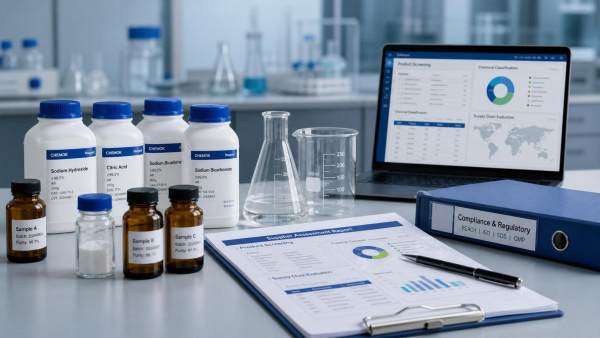
Category based chemical intelligence has become a practical lens for sourcing and product screening when supply chains are regulated, fragmented, and technically dense. Instead of reviewing suppliers, specifications, and compliance records as disconnected files, it groups them into decision-ready categories. That shift matters across fine chemicals, APIs, bio-extracts, feed inputs, and even equipment-linked chemical systems, where a weak comparison framework can hide quality drift, traceability gaps, or approval risk.
Why category structure changes the quality of sourcing decisions
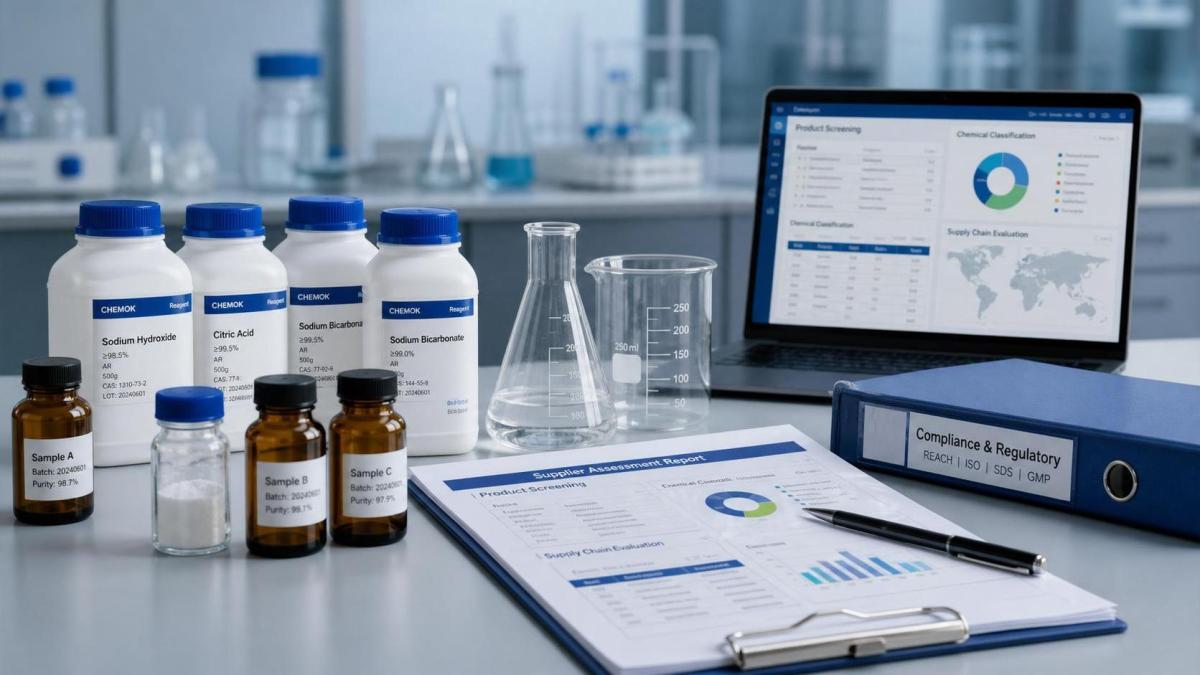
Chemical sourcing rarely fails because data is unavailable. It fails because the data is inconsistent, hard to compare, or detached from the category logic behind the purchase.
Category based chemical intelligence organizes information by substance class, application type, regulatory pathway, processing method, purity range, origin, and supply risk profile.
That creates a more disciplined screening process. A fermentation-derived ingredient should not be judged with the same criteria as a synthetic intermediate or a commodity solvent.
The approach is especially useful when the same product family includes multiple grades, production routes, or compliance expectations. In those cases, labels alone are not enough.
AgriChem Chronicle has focused on this kind of market interpretation because primary industries and fine chemicals increasingly overlap. Procurement choices now depend on technical fit as much as price timing.
What category based chemical intelligence actually includes
At its core, category based chemical intelligence is not a single dataset. It is a way to connect market, technical, and compliance signals around a specific buying context.
A useful category file often brings together product identity, manufacturing route, performance range, regulatory status, shipment history, documentation quality, and supplier consistency.
For regulated inputs, it may also include GMP relevance, FDA exposure, EPA implications, audit history, and change-control discipline.
For agricultural or processing-linked chemicals, the emphasis may shift toward residue limits, environmental handling, storage stability, compatibility with machinery, or seasonal availability.
A category view is stronger than a single supplier file
Single-supplier reviews can look complete while still missing market context. A certificate may be valid, yet the supplier may sit in a category with rising lead-time instability.
Category based chemical intelligence adds context by showing how one offer compares with the broader pool under similar technical and regulatory conditions.
Why the topic matters more now
Several market pressures have made category based chemical intelligence more relevant than it was even a few years ago.
One is regulatory layering. A material may satisfy commercial specifications while still creating exposure under region-specific registration, labeling, or environmental rules.
Another is sourcing dispersion. The same input may come from different process technologies, raw material origins, and compliance cultures.
Cost pressure also complicates evaluation. Lower offers can reflect real efficiency, but they can also signal weaker controls, thinner documentation, or unstable upstream sourcing.
In sectors tracked closely by AgriChem Chronicle, this is visible across APIs, feed additives, plant-derived extracts, and chemical inputs tied to large processing systems.
The market no longer rewards simple vendor shortlists. It rewards structured intelligence that can explain why one option is acceptable and another only appears acceptable.
Where it adds the most business value
The clearest value appears when products are technically similar on paper but operationally different in practice. That is where screening errors become expensive.
A category-based view helps narrow the field before deeper qualification work starts. It improves internal discussions because assumptions become explicit.
It also strengthens commercial negotiation. When category benchmarks are clear, price, lead time, and specification tradeoffs can be discussed against a realistic market frame.
For multi-region operations, category based chemical intelligence helps align procurement and compliance language. One team may focus on continuity, another on approvals, but both can work from the same structure.
Common situations where category logic improves screening
- Shortlisting alternative suppliers for an existing API intermediate with different synthesis routes.
- Comparing botanical extracts that share a label name but vary in standardization method and contaminant profile.
- Reviewing feed or grain processing inputs where storage behavior and residue implications affect downstream quality.
- Assessing chemicals used alongside aquaculture or industrial processing systems that must meet environmental handling expectations.
- Rebuilding a sourcing map after a disruption in one geography or one upstream raw material stream.
How to apply it without overcomplicating the process
The practical mistake is trying to collect every possible data point before defining the category. Good screening starts with a narrow question.
First, define the category by function and regulatory exposure, not only by product name. Then identify which attributes actually determine acceptability.
For some materials, impurity control is central. For others, origin traceability or environmental documentation carries more weight.
That means category based chemical intelligence should be tiered. Critical attributes belong in the first-pass screen. Secondary attributes can be reviewed during qualification.
A useful working sequence
- Set the product category boundaries, including intended use and excluded substitutes.
- List the non-negotiable technical and regulatory criteria.
- Map suppliers against the same category template.
- Flag documentation gaps separately from actual performance gaps.
- Review market signals that could change risk within the next buying cycle.
This approach keeps the process comparable without turning it into a bureaucratic checklist detached from market reality.
Signals worth watching during evaluation
Not every red flag appears in a specification sheet. Some of the most useful indicators sit around the product rather than inside the headline specification.
A sudden change in source geography, unusual pricing relative to category norms, inconsistent lot documentation, or weak answers on process controls can all reshape risk.
It is also worth separating category risk from supplier risk. A stable supplier in a volatile category still requires a different continuity plan.
This is where a publication model like ACC adds value. Editorially verified market analysis, technical commentary, and compliance interpretation help turn scattered signals into a workable judgment base.
What to do next with a category-based view
A stronger sourcing process usually begins with better category definition, not more paperwork. The next step is to identify which categories create the highest exposure if screened poorly.
From there, build a comparison structure that combines technical fit, compliance relevance, and supply continuity. Keep it specific to the material family.
Category based chemical intelligence is most effective when it is updated as market conditions change, rather than treated as a one-time research exercise.
For organizations following fine chemicals, agricultural processing, bio-extracts, or industrial input markets, the real advantage comes from revisiting assumptions before the next sourcing event forces a decision.
That is often the point where screening stops being reactive and becomes a disciplined part of commercial risk control.
Related Intelligence
- APIs & IntermediatesProcurement Planning: Which Resource Reports Help Prevent Material Shortages?Discover how procurement planning resource reports reveal usable stock, shortage dates, and supplier risks so you can prevent material shortages and keep production on track.
- APIs & IntermediatesBuyer-Focused Vendor Screening: How Procurement Teams Verify Supplier Fit and RiskBuyer-focused vendor screening helps procurement teams verify supplier fit, compliance, quality, and supply-chain resilience—reduce risk and make smarter sourcing decisions.
- APIs & IntermediatesHow API Sourcing Intelligence Reduces Supplier Risk and Protects Supply ContinuityChemical sourcing intelligence for APIs helps reduce supplier risk, validate capacity and GMP controls, and protect supply continuity. Explore practical sourcing insights.
The Morning Broadsheet
Daily chemical briefings, market shifts, and peer-reviewed summaries delivered to your terminal.
