

The Authority in Global Agricultural Chemistry & Bio-Resources
Why Is Application Insights Cost High? Key Pricing Drivers and Ways to Control Usage
Why application insights cost rises faster than teams expect
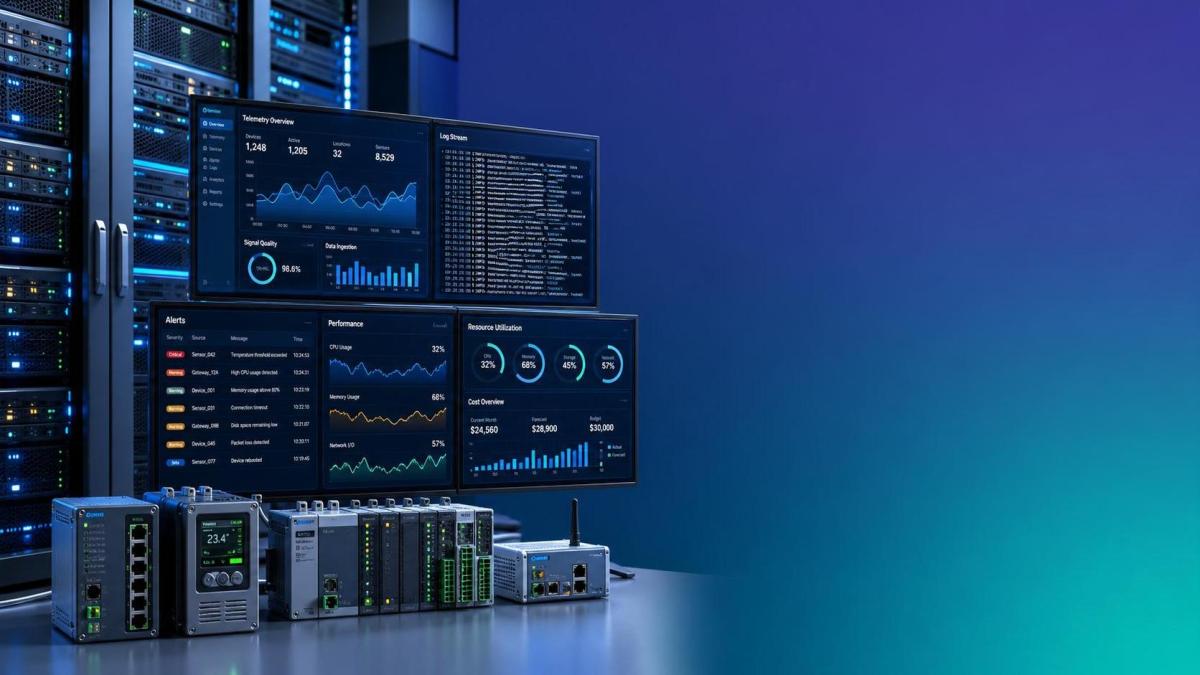
Why is application insights cost often higher than early estimates? In most environments, the issue is not one setting. It is a chain of decisions.
A telemetry plan that works for a publishing portal may become expensive in a regulated API workflow, a machine data layer, or a batch trace system.
That matters in sectors covered by AgriChem Chronicle, where digital operations often connect laboratory systems, equipment platforms, supplier records, and compliance reporting.
In those settings, application insights cost is tied to monitoring depth, audit expectations, data volatility, and how quickly incidents must be diagnosed.
The useful question is not whether the platform is expensive by itself. The better question is which usage pattern is creating unnecessary volume.
Actual environments rarely generate the same telemetry profile
Different workflows create very different pricing outcomes, even when the same observability tool is used across the estate.
A content platform focused on market intelligence may produce predictable web traffic and moderate dependency calls. Cost usually follows user behavior and release frequency.
A fine chemicals traceability service behaves differently. It may log validation steps, integration events, exception details, and long transaction chains for every regulated handoff.
Agricultural machinery platforms add another pattern. Connected devices can emit noisy diagnostics, heartbeat events, and status changes that multiply ingestion without adding real troubleshooting value.
In aquaculture, sensor variance can create bursts. Feeding automation, water quality alerts, and remote control events often produce sharp peaks instead of steady daily usage.
This is why application insights cost should be judged by business workflow shape, not by vendor list price alone.
The four drivers that usually move the bill
- Data ingestion volume from requests, dependencies, traces, exceptions, and custom events.
- Retention policy, especially when operational data is kept longer than active debugging really requires.
- Sampling design, including whether high-volume low-value events are filtered before storage.
- Alert rules and query frequency, which can quietly expand monitoring overhead.
In content and market intelligence platforms, verbosity is often the hidden cost
For digital publishing and market reporting systems, application insights cost often rises because every page interaction is treated like a critical transaction.
That approach sounds safe, but it usually stores more front-end traces than editorial, subscription, or search analytics teams actually review.
A better judgment point is content value versus diagnostic value. Not every scroll event, filter click, or retry loop needs full retention.
Where research portals serve global users, latency matters. Yet full-fidelity browser telemetry across every region can push application insights cost well beyond troubleshooting needs.
More practical setups keep detailed data for failed sessions, payment journeys, gated downloads, and search failures, while sampling routine interactions.
Compliance-heavy API and chemical data flows need selectivity, not blanket logging
In API-driven workflows, especially around ingredient sourcing or formulation records, teams often assume every event must be logged at maximum detail.
That assumption drives application insights cost upward very quickly, particularly when each request triggers several downstream dependencies and custom dimensions.
The key distinction is between audit evidence and observability noise. Regulatory traceability may require proof of sequence, approval status, and exception handling.
It does not always require storing every debug trace for the same period as compliance records.
In practice, application insights cost is easier to control when operational telemetry is separated from long-term evidentiary data. Different retention horizons usually make more sense.
A useful comparison before changing settings
Equipment and sensor ecosystems create a different application insights cost pattern
In machinery, fishery tech, and feed processing systems, the expensive part is often repetitive telemetry rather than user traffic.
Heartbeat messages, firmware checks, idle-state confirmations, and temporary connectivity errors can dominate the bill if left unfiltered.
This is where application insights cost is frequently misread. The platform appears expensive, but the real issue is event design.
More useful telemetry asks whether an asset changed state, crossed a threshold, or failed an operation. Raw repetition rarely improves diagnosis.
When field conditions vary by geography, season, or maintenance cycle, adaptive sampling is usually more reliable than a fixed percentage everywhere.
Retention strategy should follow operational value, not habit
One common reason application insights cost stays high is that retention is never revisited after the first deployment.
Teams often keep all telemetry for the same period because it feels simpler. In reality, it mixes active debugging data with low-value history.
For volatile systems, short retention with targeted exports often works better. Critical exceptions, release markers, and audit checkpoints can be preserved elsewhere.
This matters in regulated supply chains, where evidence must remain available, but operational logs do not need identical storage treatment.
If application insights cost remains difficult to predict, retention segmentation is usually one of the first places worth reviewing.
Where teams misjudge application insights cost
Several missteps appear across industries, especially when observability is added quickly during growth or integration projects.
- Treating development-level trace detail as a permanent production requirement.
- Keeping failed and successful transactions at the same verbosity.
- Assuming compliance rules require identical retention for all telemetry classes.
- Ignoring alert query frequency and dashboard refresh behavior.
- Sending custom dimensions with little analytical or incident value.
Another frequent mistake is copying one environment into another. A publishing workflow, a lab integration service, and a remote equipment stack rarely share the same monitoring logic.
Practical ways to reduce cost without losing monitoring accuracy
Cost control works best when changes are tied to specific operational questions. Random reduction often removes the data needed during a real incident.
Focus on these adjustments first
- Map high-volume telemetry sources and rank them by diagnostic value.
- Apply sampling by workflow type, not one global rule.
- Reduce duplicate exception logging across service layers.
- Shorten retention for routine traces, while exporting essential evidence separately.
- Tune alerts around material failures, threshold crossings, and dependency degradation.
- Review custom properties that increase payload size without supporting root-cause analysis.
These steps usually lower application insights cost without weakening uptime reporting, fault isolation, or compliance visibility.
Before the next billing cycle, define what must be seen and what can be sampled
Application insights cost becomes manageable when telemetry is treated as an operational asset with clear boundaries, not as unlimited background data.
Across primary industries, biochemical systems, and technical publishing environments, the right model depends on traffic shape, risk exposure, and evidence requirements.
A useful next step is to review each workflow separately. Check ingestion sources, retention periods, alert rules, and the business reason behind every high-volume signal.
That review usually shows why application insights cost is high, which data is genuinely valuable, and where usage can be controlled with minimal operational tradeoff.
Related Intelligence
- APIs & IntermediatesProcurement Planning: Which Resource Reports Help Prevent Material Shortages?Discover how procurement planning resource reports reveal usable stock, shortage dates, and supplier risks so you can prevent material shortages and keep production on track.
- APIs & IntermediatesBuyer-Focused Vendor Screening: How Procurement Teams Verify Supplier Fit and RiskBuyer-focused vendor screening helps procurement teams verify supplier fit, compliance, quality, and supply-chain resilience—reduce risk and make smarter sourcing decisions.
- APIs & IntermediatesHow API Sourcing Intelligence Reduces Supplier Risk and Protects Supply ContinuityChemical sourcing intelligence for APIs helps reduce supplier risk, validate capacity and GMP controls, and protect supply continuity. Explore practical sourcing insights.
The Morning Broadsheet
Daily chemical briefings, market shifts, and peer-reviewed summaries delivered to your terminal.
