

The Authority in Global Agricultural Chemistry & Bio-Resources
How to Evaluate Large Scale Livestock Equipment for Farm Expansion Projects
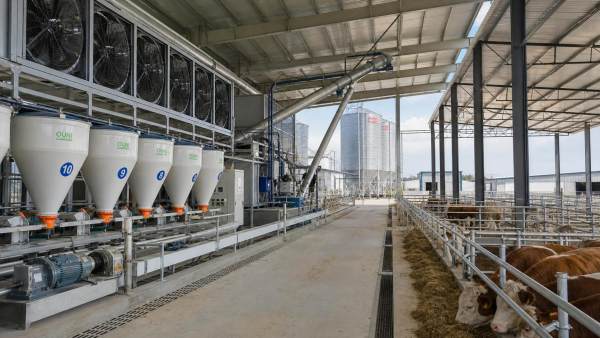
How to Evaluate Large Scale Livestock Equipment for Farm Expansion Projects
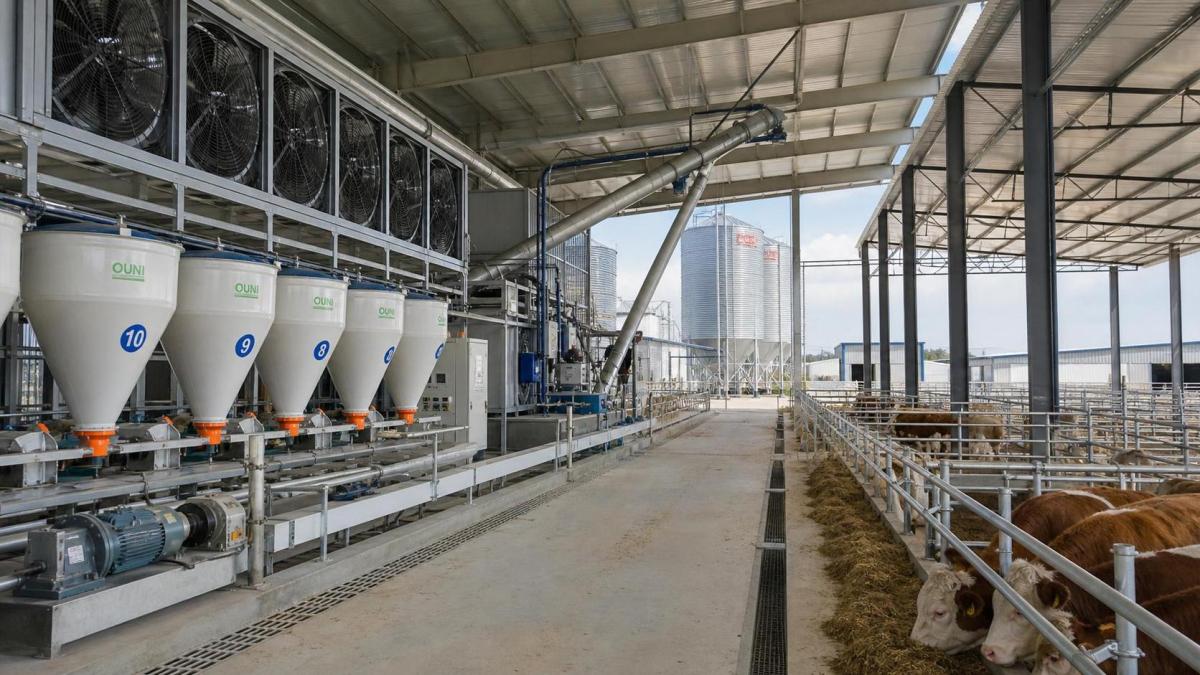
Farm expansion is rarely a simple scale-up exercise. Bigger barns, more animals, and faster handling can expose weak equipment choices very quickly.
That is why evaluating large scale livestock equipment needs a structured process. Capacity alone is not enough to support a reliable expansion project.
In practice, equipment decisions affect labor demand, animal welfare, maintenance planning, utilities, compliance exposure, and long-term operating cost.
A disciplined review helps connect procurement choices with site realities. It also keeps expansion timelines from being disrupted by avoidable redesigns.
The best large scale livestock equipment is not always the largest model. It is the system that fits throughput targets, layout limits, and future growth logic.
Start With Throughput, Not Catalog Specs
Most selection mistakes begin with brochure comparisons. Nameplate output looks useful, but it often ignores daily farm conditions.
Start with actual production goals. Define herd expansion size, housing density, feeding cycles, manure handling volume, and target labor hours.
Then translate those goals into equipment duty profiles. This makes large scale livestock equipment evaluation more realistic and easier to defend internally.
Useful planning questions include:
- What is the required hourly and daily throughput?
- What seasonal peaks must the system absorb?
- How many hours per day will the equipment run?
- What downtime tolerance is acceptable?
- Which process bottlenecks already exist on site?
From recent projects, the clearer signal is this: throughput should be measured across the whole operating chain, not by isolated machine speed.
Map Equipment to the Full Farm System
Large scale livestock equipment works inside a system. Feed delivery, climate control, watering, waste removal, sorting, and biosecurity all interact.
This means a strong machine can still perform poorly if upstream and downstream systems are undersized or poorly synchronized.
For example, automated feeding equipment may raise consumption efficiency. Yet weak storage flow or limited auger routing can erase those gains.
The same applies to manure scraping, slurry pumping, and ventilation controls. Expansion projects fail when single assets are chosen without system matching.
A practical evaluation matrix should review:
- Mechanical compatibility with current infrastructure
- Electrical load, standby power, and control architecture
- Water, air, and waste handling interfaces
- Building clearance, floor load, and access paths
- Integration with sensors, alarms, and farm software
This systems view usually reveals hidden costs earlier. It also reduces change orders during engineering and installation.
Assess Compliance, Welfare, and Environmental Fit
Compliance is not a final checkpoint. It should be part of the first screening round for large scale livestock equipment.
Expansion projects face tighter scrutiny on emissions, waste handling, worker safety, and animal welfare outcomes. That pressure is increasing across major markets.
As a result, equipment should be reviewed against both current rules and likely near-term standards. Retrofitting later is usually more expensive.
Key checkpoints include:
- Ventilation performance and thermal stress control
- Dust, odor, and ammonia management
- Cleanability and disinfection efficiency
- Noise, guarding, and operator safety requirements
- Animal movement, stocking density, and stress reduction
In real operations, cleanability deserves special attention. Hard-to-clean equipment often creates recurring labor costs and biosecurity exposure.
When vendors provide compliance claims, ask for test records, certifications, and reference installations. Marketing language is not enough for project approval.
Compare Lifecycle Cost, Not Purchase Price Alone
Purchase price is visible. Total cost of ownership is where many expansion decisions are actually won or lost.
A lower-cost unit may consume more energy, require more service visits, or create unplanned downtime during critical production windows.
That also means premium large scale livestock equipment can be justified when it lowers labor intensity and improves reliability over several cycles.
Build a lifecycle model around these cost lines:
- Acquisition, freight, installation, and commissioning
- Power, fuel, water, and consumables
- Routine maintenance and spare parts inventory
- Training, software licenses, and support contracts
- Downtime cost and production disruption risk
- Residual value and replacement timing
If possible, test cost assumptions against data from comparable farms. Vendor estimates should be benchmarked, not accepted without challenge.
Review Supplier Capability as Closely as the Equipment
Equipment quality matters, but supplier capability often determines project success. This is especially true for complex large scale livestock equipment packages.
Delivery promises should be checked against manufacturing lead times, component sourcing, field service depth, and regional parts availability.
More importantly, review how the supplier handles commissioning, operator training, and post-startup troubleshooting. Those stages shape actual performance.
A useful supplier screen includes:
- Documented experience with similar farm scale and species
- Factory testing and acceptance procedures
- Service response time and escalation path
- Spare parts stocking policy and warranty terms
- Ability to support controls integration and remote diagnostics
This is where reference checks become valuable. Ask existing users what happened after installation, not only during the sales cycle.
In many cases, strong technical support can outweigh a small price gap. Expansion projects need resilience more than optimistic quotations.
Use a Structured Scoring Model Before Final Selection
Subjective debates slow procurement and create weak audit trails. A weighted scoring model makes large scale livestock equipment decisions clearer.
The scoring method should reflect project priorities, not generic templates. Capacity may deserve one weight, while maintainability or compliance may deserve more.
Keep the model simple enough to use, but detailed enough to expose tradeoffs. That balance usually improves cross-functional alignment.
Once scores are assigned, document assumptions clearly. Decision quality improves when every rating can be traced back to field evidence.
Common Mistakes That Distort Equipment Evaluation
Several mistakes appear repeatedly in farm expansion work. Most are avoidable with better early-stage discipline.
- Oversizing equipment without checking partial-load efficiency.
- Ignoring cleaning time, access space, and maintenance reach.
- Treating utility upgrades as separate from equipment budgets.
- Relying on generic supplier case studies.
- Underestimating training requirements after commissioning.
- Comparing prices without normalizing scope differences.
The more complex the livestock operation becomes, the more these gaps multiply. Small assumptions can become major operating constraints.
A stronger process asks the same question throughout procurement: will this large scale livestock equipment still perform under real farm pressure?
A Practical Decision Framework for Expansion Projects
A useful evaluation framework follows a clear sequence. First define production targets. Then map system interfaces, compliance risks, and total cost drivers.
Next, short-list suppliers that can prove technical fit and service capability. After that, score competing options using evidence from site data and references.
This approach keeps large scale livestock equipment selection grounded in operational reality. It also supports better internal approval and cleaner project execution.
For expansion projects, the goal is not simply to buy more equipment. The goal is to build a system that can scale without creating new fragility.
When the evaluation process is disciplined, procurement becomes a strategic lever. It protects uptime, supports compliance, and strengthens long-term farm economics.
AgriChem Chronicle continues to track the technical, regulatory, and sourcing factors shaping industrial livestock investment. That context matters when equipment choices carry long asset lives.
Before issuing final purchase orders, revisit assumptions one more time against site conditions and growth plans. That final check often prevents the most expensive mistake.
Related Intelligence
- Heavy Agri MachineryHow Does Market Forecasting Help Plan Farm Machinery Procurement?How does market forecasting help agri procurement planning? Discover how to time machinery purchases, protect cash flow, and reduce delivery risks before critical farm deadlines.
- Heavy Agri MachineryIs It Safe to Source Farm Machinery from Emerging Markets?Is it safe to source agri machinery from emerging markets? Discover how to verify suppliers, check compliance, and secure parts support to protect your farm and avoid costly buying mistakes.
- Heavy Agri MachineryHow to Size a Combine Harvester for Acreage, Crop Mix, and Harvest WindowsCombine harvesters sized for your acreage, crop mix, and harvest window: calculate real field capacity, match headers, and avoid costly bottlenecks.
The Morning Broadsheet
Daily chemical briefings, market shifts, and peer-reviewed summaries delivered to your terminal.
