

The Authority in Global Agricultural Chemistry & Bio-Resources
Red Sea Disruption Tightens RAS Delivery Windows
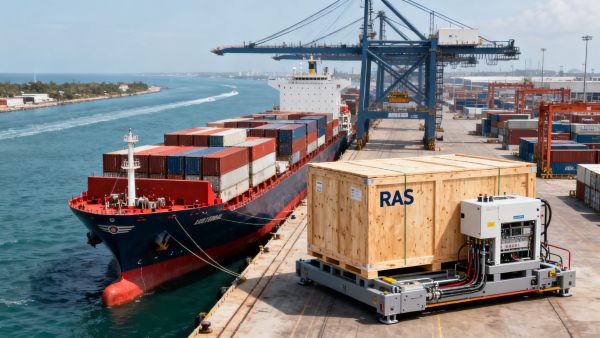
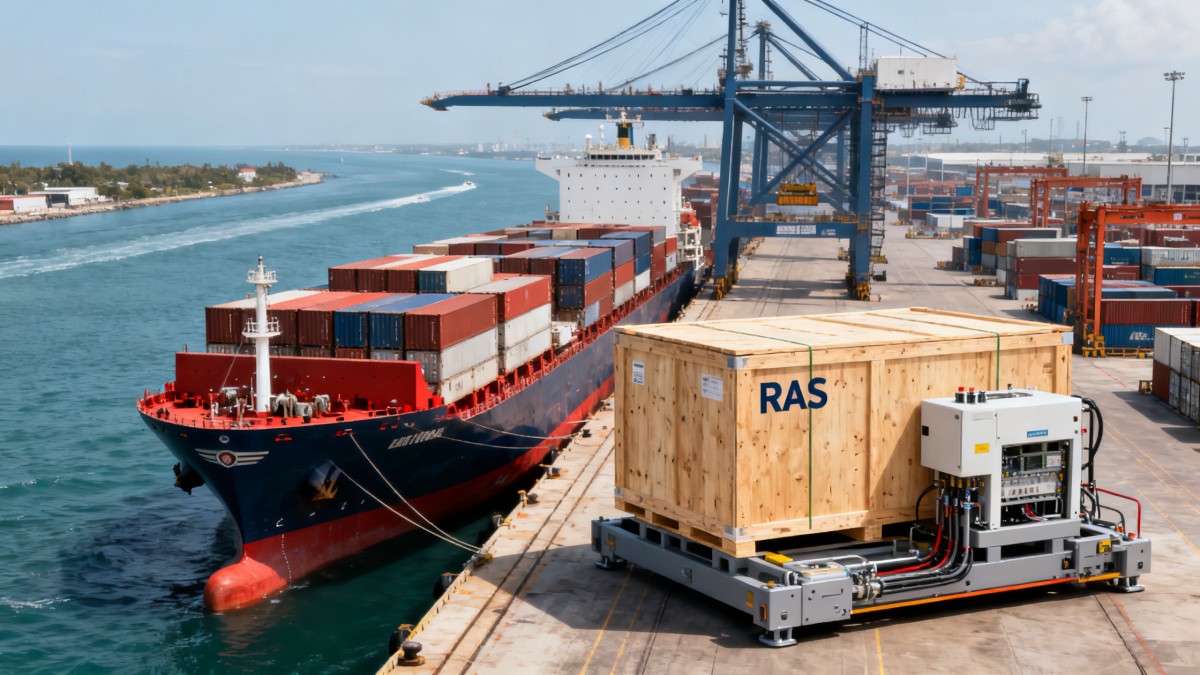
On July 12, 2026, the latest freight move on the Asia-Europe route pointed to more than a transport cost issue for the RAS Systems trade. As rerouting around the Cape of Good Hope becomes a standing operating condition for affected shipments, the change is now influencing delivery planning, procurement timing, and contractual execution for exporters, buyers, and project operators. For companies tied to cross-border equipment delivery, this is worth watching as a trade-rule and execution signal rather than a short-lived shipping fluctuation.
Freight and lead-time changes now on record
According to Freightos Baltic Index data dated July 12, 2026, the spot freight rate for a 40HQ container on the Shanghai-Rotterdam route reached $6,840, up 18.3% from the prior period. The stated driver was the continued attack risk to commercial shipping, which has made rerouting via the Cape of Good Hope a normalized practice. Against that backdrop, average lead time for Chinese RAS Systems export orders has extended from 65 days to 82 days. The same trend has also led some European aquaculture project parties to start using locally pre-assembled module solutions to reduce logistics risk.
Where the execution pressure is showing up
Exporters face a narrower delivery buffer
From an industry perspective, exporters are likely to feel the impact first in shipment scheduling, delivery commitments, and customer coordination. When lead times move from 65 to 82 days, the practical issue is not only freight cost but whether existing delivery windows, technical handover timing, and contract milestones remain achievable. What deserves closer attention is whether shipping assumptions used in quotations, order confirmation, and dispatch planning still match actual route conditions.
Project buyers need to reassess procurement timing
For procurement teams and project owners, the effect is likely to appear in purchase sequencing, installation planning, and acceptance preparation. The reported shift toward local pre-assembled modules in some European aquaculture projects suggests that buyers are beginning to treat logistics risk as part of sourcing structure, not just transport expense. Observably, this makes delivery reliability, supplier coordination, and documentation readiness more relevant in tender and procurement review.
Supply chain and service partners may see new compliance demands
Supply chain service providers and downstream service teams may be affected through documentation control, shipment visibility, and after-sales coordination. Analysis shows that when route disruptions become prolonged, parties involved in export execution need to pay closer attention to shipping documents, packing consistency, delivery records, and handover timing, because these items can become central to claims handling, project delay discussions, and quality traceability once physical delivery is extended.
Operational points companies should monitor now
Review delivery clauses against actual transit conditions
Analysis shows that companies with active Asia-Europe RAS deliveries should check whether current lead-time assumptions in contracts, purchase orders, and project schedules still reflect real shipment conditions. This is especially relevant where delivery windows, staged acceptance, or installation start dates were set on shorter logistics cycles.
Recheck technical and shipment documents before dispatch
What deserves closer attention is the accuracy and completeness of shipment-related documents, technical files, and order records that support cross-border delivery and project acceptance. The input does not provide specific execution rules, so this should be treated as a monitoring point rather than a confirmed new requirement. Still, longer transit periods usually increase the practical importance of document consistency across procurement, logistics, and installation stages.
Track whether procurement models are shifting locally
Observably, the use of locally pre-assembled modules by some European aquaculture project parties is an execution response already visible in the market. Companies should therefore monitor whether buyers begin asking for different delivery structures, revised scope splits, or stronger local integration capability. At this stage, it is more appropriate to understand this as a market adaptation signal than as a settled industry standard.
Prepare for extended after-sales and traceability pressure
From an industry perspective, longer export cycles can also affect after-sales readiness and quality traceability. Where equipment commissioning, spare-parts support, or installation sequencing depend on inbound delivery timing, companies should watch for changes in customer expectations around response documentation, handover evidence, and service coordination. The current information does not confirm any formal new compliance rule, but it does point to tighter execution discipline.
Why this looks more like an execution signal than a one-off price move
Analysis shows that the key significance of this development is not limited to an 18.3% freight increase. The more meaningful signal is that route disruption is now shaping practical trade conditions for RAS Systems exports, including lead times and project delivery models. It is more appropriate to understand this as an execution-level change already affecting market behavior, while the broader downstream response in procurement rules, tender wording, and compliance expectations still requires observation.
How the market is likely to read this stage
At present, this event is best understood as a confirmed operational change with broader rule and process implications still unfolding. The recorded freight increase, extended order lead times, and early use of local pre-assembly together indicate that logistics risk is moving into commercial and delivery decision-making. A measured reading is that companies should not assume a fully settled new rule set, but they should treat the current conditions as materially relevant to procurement, export execution, and project scheduling.
Basis of this article and what still needs verification
This article is based on the user-provided news title, event date, and event summary. For developments of this kind, relevant source categories often include official notices, regulator statements, customs or trade authority information, industry association releases, standard-setting documents, and reporting by authoritative media. A specific official source link was not provided in the input, so further verification is still required. What remains worth monitoring includes any later official clarification, changes in certification or compliance interpretation, updates in tender documents, additional industry feedback, and how companies are adjusting execution in response to prolonged shipping disruption.
Related Intelligence
- RAS SystemsSustainable Aquaculture Practices That Cut Feed Waste and Protect Fish Farm Water QualitySustainable aquaculture for fish farms: reduce feed waste, protect water quality, and build resilient, efficient systems with practical strategies.
- RAS SystemsDrum Filter System Price: How Flow Rate, Micron Rating, and Automation Affect CostDrum filter system price depends on flow rate, micron rating, automation, materials, and lifecycle costs. Compare quotes confidently and choose the right system.
- RAS SystemsHow to Specify Large-Scale Fish Farming Equipment for High-Output RAS ProjectsLarge scale fish farming equipment guide for high-output RAS projects—specify tanks, filtration, oxygen, automation, and redundancy for reliable growth.
The Morning Broadsheet
Daily chemical briefings, market shifts, and peer-reviewed summaries delivered to your terminal.
