

The Authority in Global Agricultural Chemistry & Bio-Resources
Why aquaculture geomembrane HDPE fails earlier than expected
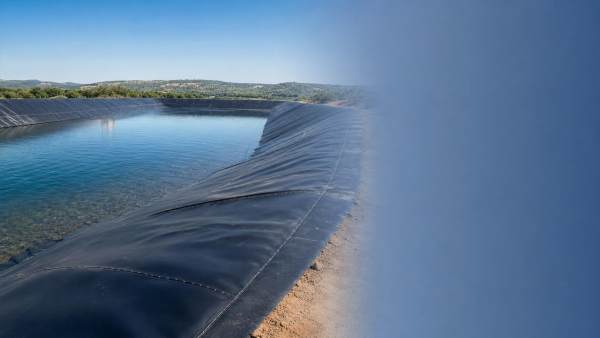
When aquaculture geomembrane HDPE fails earlier than expected, the problem rarely starts with one visible tear. Early failure usually develops from combined material, installation, and operational weaknesses. In aquaculture systems, those weaknesses can trigger leakage, unstable water quality, stock stress, sediment intrusion, and regulatory exposure. Understanding why aquaculture geomembrane HDPE underperforms is therefore not only a maintenance issue, but also a risk-control priority across modern pond, reservoir, and wastewater management infrastructure.
Technical baseline for aquaculture geomembrane HDPE performance
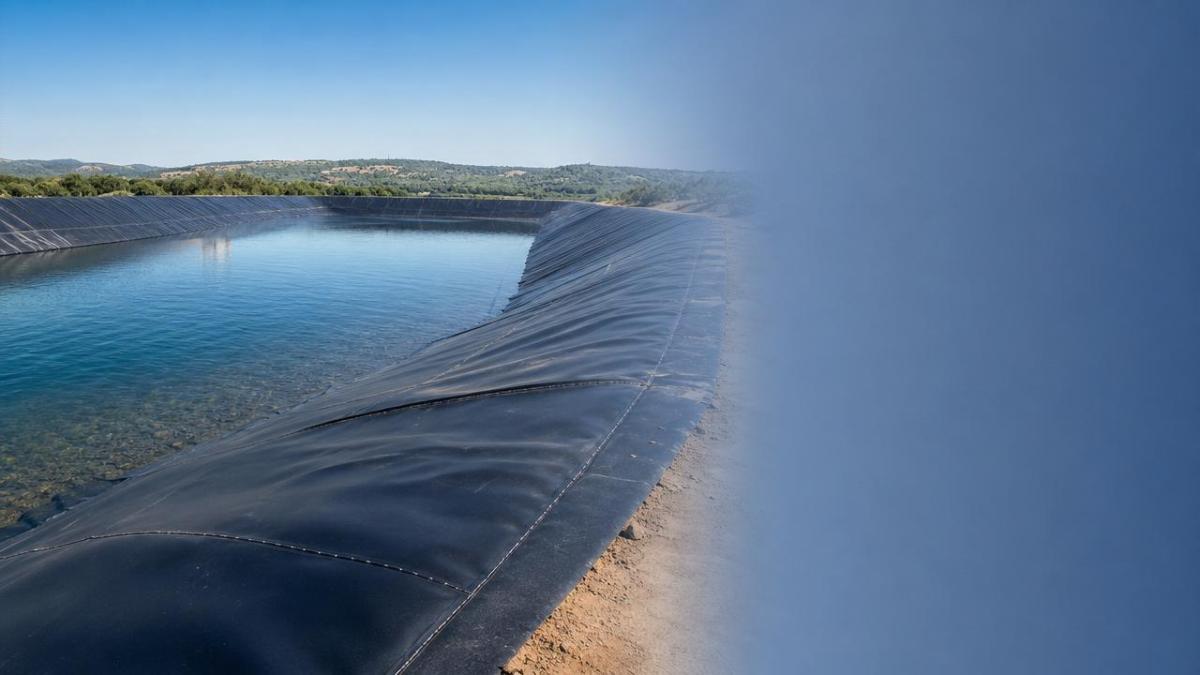
Aquaculture geomembrane HDPE is a high-density polyethylene liner used to create low-permeability containment barriers. It separates water from soil, reduces seepage, and supports biosecurity control.
In fish ponds, shrimp farms, hatcheries, sludge basins, and water treatment cells, aquaculture geomembrane HDPE must resist ultraviolet exposure, tensile stress, puncture, chemical attack, and long-term oxidation.
Expected service life depends on resin quality, carbon black dispersion, antioxidant package, thickness, surface texture, installation integrity, and routine operating conditions. Failure happens sooner when several variables drift out of control together.
A liner may appear intact on delivery yet still carry hidden vulnerabilities. Poor welds, inconsistent sheet thickness, contamination during deployment, and subgrade defects often remain invisible until the pond enters full operation.
What early failure usually looks like
- Localized leaks near seams or penetrations
- Stress cracking on folds, anchors, or slopes
- Brittleness after prolonged sun exposure
- Punctures from stones, roots, or equipment contact
- Wrinkling that concentrates hydraulic and mechanical loads
Current industry signals behind premature liner failure
Across integrated aquaculture and water containment projects, liner failures are increasingly linked to cost compression, accelerated installation schedules, and insufficient field verification.
The industry is also seeing more demanding conditions. Higher stocking density, stronger disinfection routines, more frequent pond cycling, and changing climate patterns place additional stress on aquaculture geomembrane HDPE.
These signals matter because aquaculture geomembrane HDPE often functions as a silent asset. Once damaged, the liner can expose broader system weaknesses that were previously masked by stable water retention.
The main reasons aquaculture geomembrane HDPE fails earlier than expected
1. Inadequate raw material formulation
Not all HDPE liners are formulated equally. Recycled content, unstable resin blending, poor carbon black distribution, or weak antioxidant systems can shorten service life significantly.
A liner exposed to sunlight and oxygen needs robust stabilization. If thermal and oxidative protection is low, aquaculture geomembrane HDPE may embrittle long before its design expectation.
2. Incorrect thickness selection
Using thinner material to reduce initial cost is a common mistake. Thickness affects puncture resistance, tensile behavior, and tolerance to uneven subgrade and operational traffic.
In demanding pond systems, underspecified aquaculture geomembrane HDPE may survive commissioning, but fail under repeated loading, sediment movement, or slope tension.
3. Poor subgrade preparation
Sharp stones, root remnants, voids, and poorly compacted areas create concentrated pressure points. These defects often become puncture origins after filling and settlement.
Subgrade irregularity also causes wrinkling. Wrinkles create stress lines, especially where water movement, aeration devices, or foot traffic repeatedly load the liner surface.
4. Weak seam welding and inadequate testing
Seams are frequently the most vulnerable part of any aquaculture geomembrane HDPE installation. Temperature control, surface cleanliness, operator skill, and equipment calibration all affect seam quality.
If field testing is rushed, defective seams may pass unnoticed. Air-channel testing, vacuum testing, and destructive sampling remain essential for critical containment reliability.
5. UV exposure during storage and delayed installation
Liner rolls stored improperly can degrade before deployment. Long exposure to sunlight, high heat, and dirt contamination can reduce welding quality and surface integrity.
Even high-grade aquaculture geomembrane HDPE benefits from controlled storage, covered staging, and timely installation once rolls are unpacked.
6. Operational misuse after commissioning
Early failure may begin after handover. Dragging equipment, dropping tools, abrupt draining, high-pressure cleaning, or unprotected vehicle access can damage the liner rapidly.
Chemical shock is another overlooked factor. Some disinfection routines, hydrocarbon contamination, or incompatible additives can contribute to stress cracking and localized deterioration.
Why service life matters in business and compliance terms
The value of aquaculture geomembrane HDPE is not limited to water retention. It supports predictable pond performance, cleaner harvest conditions, lower sediment interaction, and stronger environmental control.
When failure happens early, direct repair costs are only one part of the loss profile. Secondary impacts often become more severe and more expensive.
- Unplanned pond downtime and interrupted production cycles
- Water leakage into surrounding soil or groundwater pathways
- Increased disease pressure from unstable environmental conditions
- Additional labor for patching, draining, and sediment removal
- Greater scrutiny under environmental and site management standards
For integrated primary industries, liner life affects operational continuity, audit readiness, and long-term asset planning. That makes aquaculture geomembrane HDPE a strategic infrastructure component, not a commodity sheet alone.
Typical failure scenarios across aquaculture applications
These scenarios show why specifying aquaculture geomembrane HDPE should always reflect the real operating environment, not just nominal pond dimensions.
Practical checks that reduce premature failure risk
Before purchase
- Verify resin origin, formulation consistency, and test documentation
- Confirm thickness tolerances and relevant performance data
- Review oxidation, carbon black, and tensile test results
- Match liner grade to UV, chemical, and load exposure
Before installation
- Inspect subgrade for stones, roots, voids, and moisture issues
- Plan anchor trenches, drainage details, and penetration sealing
- Protect stored rolls from weather and contamination
- Set seam procedures and field quality checkpoints clearly
After commissioning
- Control access by tools, vehicles, and maintenance equipment
- Monitor leak indicators, unusual settlement, and seam movement
- Review chemical cleaning compatibility before routine use
- Document inspections and repair small defects immediately
A disciplined verification process usually prevents most avoidable failures. In practice, the best results come from linking material selection, installation control, and operating discipline into one risk framework.
Next-step framework for evaluating aquaculture geomembrane HDPE reliability
Where early failure risk is a concern, begin with a structured review of four areas: liner specification, site preparation, seam quality assurance, and operating exposure.
Then compare actual conditions against original assumptions. If the pond now faces stronger UV, more aggressive cleaning, or heavier maintenance traffic, the existing aquaculture geomembrane HDPE may be underspecified.
A practical next step is to create a simple inspection matrix. Track seam condition, visible wrinkles, penetration details, repair history, and water-loss patterns by zone.
Early intervention is almost always less disruptive than major replacement. For any new project or retrofit, treating aquaculture geomembrane HDPE as a performance-critical system element will improve durability, environmental control, and long-term operating confidence.
Related Intelligence
- RAS SystemsSustainable Aquaculture Practices That Cut Feed Waste and Protect Fish Farm Water QualitySustainable aquaculture for fish farms: reduce feed waste, protect water quality, and build resilient, efficient systems with practical strategies.
- RAS SystemsDrum Filter System Price: How Flow Rate, Micron Rating, and Automation Affect CostDrum filter system price depends on flow rate, micron rating, automation, materials, and lifecycle costs. Compare quotes confidently and choose the right system.
- RAS SystemsHow to Specify Large-Scale Fish Farming Equipment for High-Output RAS ProjectsLarge scale fish farming equipment guide for high-output RAS projects—specify tanks, filtration, oxygen, automation, and redundancy for reliable growth.
The Morning Broadsheet
Daily chemical briefings, market shifts, and peer-reviewed summaries delivered to your terminal.
