

The Authority in Global Agricultural Chemistry & Bio-Resources
APVMA Urgently Revises Registration for RAS Water Conditioners
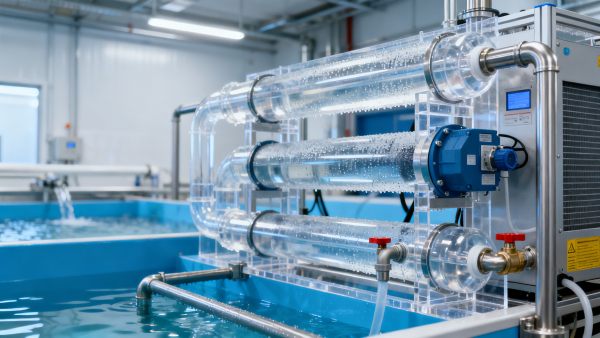
On 16 May 2026, the Australian Pesticides and Veterinary Medicines Authority (APVMA) issued an emergency notice (Notice No. APVMA-2026-051), requiring all water conditioners used in recirculating aquaculture systems (RAS) — including potassium monopersulfate and ozone-compatible chemicals — to complete a supplementary Aqua-Eco Assessment by 30 September 2026. Exporters from China and other countries supplying these products to Australia must act promptly; failure to comply will result in loss of market access.
Event Overview
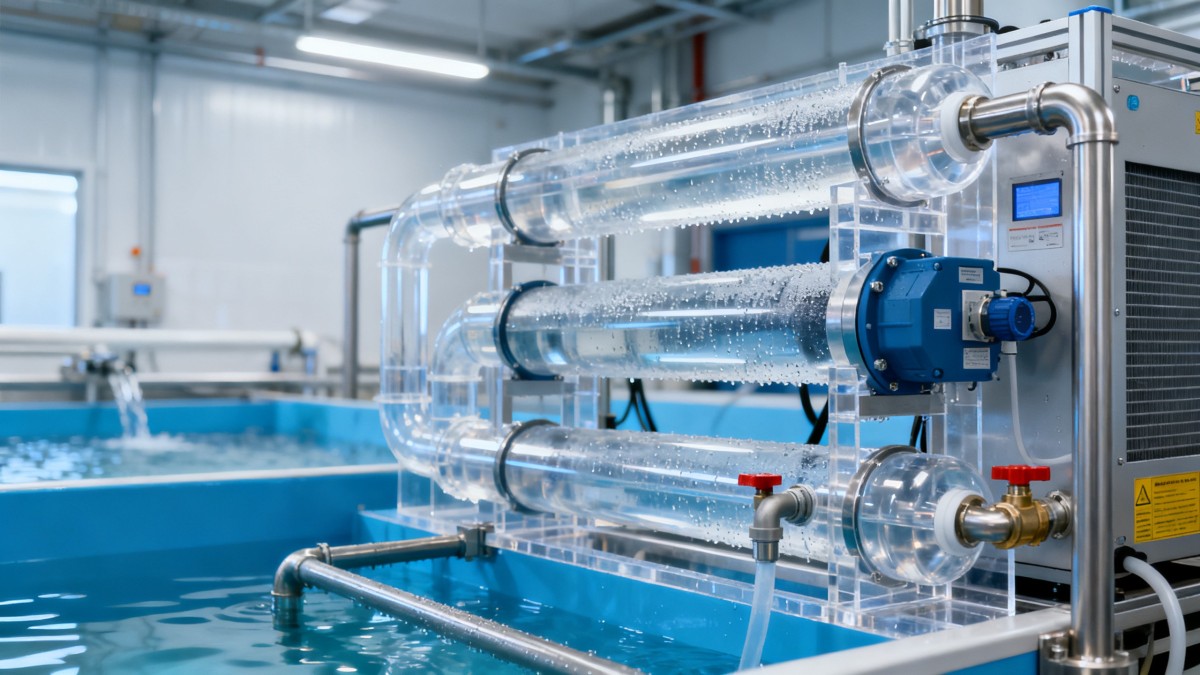
On 16 May 2026, APVMA published Notice No. APVMA-2026-051, mandating that all registered water conditioners intended for use in recirculating aquaculture systems (RAS) undergo a supplementary ‘Aqua-Eco Assessment’ — a formal aquatic environmental safety evaluation. The deadline for submission is 30 September 2026. This applies specifically to products such as potassium monopersulfate and chemicals designed for use with ozone generation modules. The notice is effective immediately and constitutes an urgent regulatory revision.
Industries Affected
Direct Exporters (Australia-Focused Trading Enterprises)
Companies exporting water conditioners directly into the Australian market are subject to immediate compliance requirements. Non-compliance after 30 September 2026 will lead to de-registration and prohibition of import and sale. Impact includes halted shipments, customs rejection, and contractual liability with Australian distributors or end-users.
Manufacturers & Formulators (Including OEM/ODM Suppliers)
Manufacturers producing potassium monopersulfate-based formulations or ozone-supporting additives must verify whether their current APVMA registration covers RAS use. Even if the product is already registered for other purposes (e.g., pond disinfection), RAS-specific use triggers the new requirement. Impact includes potential re-submission of technical dossiers, additional testing costs, and delays in maintaining active registration status.
Raw Material Suppliers (e.g., Potassium Monopersulfate Producers)
Suppliers of active ingredients may face downstream demand shifts. If downstream formulators delay or fail to complete the Aqua-Eco Assessment, orders for RAS-targeted grades may decline. Impact includes uncertainty in order volume, need to support customers with technical data for assessment submissions, and possible repositioning toward non-RAS applications.
Distribution & Regulatory Support Service Providers
Local agents, APVMA-registered sponsors, and regulatory consultancies supporting foreign exporters must now manage accelerated timelines for dossier preparation and submission. Impact includes increased workload, tighter coordination windows with clients, and heightened risk of missed deadlines due to documentation gaps or data insufficiency.
Key Actions for Affected Enterprises
Monitor Official Updates from APVMA
Review APVMA’s official guidance on the Aqua-Eco Assessment protocol — including acceptable test species, exposure scenarios, and required endpoints — as these details determine scope and cost. Check for updates via the APVMA website and registered sponsor portals, not third-party summaries.
Identify Products Within Scope
Confirm whether each exported water conditioner is explicitly labeled, promoted, or technically positioned for RAS use. Products marketed for ‘recirculating systems’, ‘biofilter maintenance’, or ‘ozone synergist’ functions fall under this notice — even if previously approved for broader aquaculture use.
Distinguish Between Policy Signal and Operational Requirement
This notice is an enforceable regulatory action, not a consultation or draft proposal. The 30 September 2026 deadline is binding. Businesses should treat it as a hard compliance milestone, not a preliminary warning.
Prepare Documentation and Testing Timelines Now
Initiate internal review of existing registration dossiers; identify data gaps (e.g., chronic aquatic toxicity, sediment bioaccumulation, or RAS-relevant exposure modeling); and engage accredited laboratories early. Given typical turnaround times for aquatic ecotoxicity studies, starting before mid-July 2026 is advisable.
Editorial Perspective / Industry Observation
Observably, this revision reflects APVMA’s increasing focus on use-context specificity — moving beyond broad ‘aquaculture’ categorization to differentiate between open-water ponds and closed-loop RAS environments. Analysis shows that the requirement is less about new hazard identification and more about confirming environmental fate and effects under high-density, low-dilution RAS conditions. From an industry perspective, it signals a broader trend: regulators globally are tightening oversight of inputs in intensively managed aquaculture systems, especially where chemical residues may concentrate or interact with biofilters and nitrifying bacteria. Current enforcement timing — just four months after notice issuance — suggests APVMA prioritizes rapid implementation over phased adoption, likely due to emerging concerns around cumulative chemical load in RAS effluents.
It is more accurately understood as an operational enforcement action than a policy signal: the requirement is concrete, time-bound, and tied directly to market access. However, its long-term significance lies in precedent — it may inform similar revisions in Canada, New Zealand, or the EU, particularly where RAS expansion is accelerating.
Conclusion
This notice represents a targeted, time-sensitive regulatory adjustment affecting specific product categories within the aquaculture input supply chain. Its primary impact is procedural and commercial: exporters and manufacturers must validate RAS-use safety through a defined assessment process or exit the Australian RAS market. It does not indicate a general ban or phase-out, nor does it affect non-RAS aquaculture uses unless separately reviewed. Currently, it is best understood as a mandatory compliance checkpoint — not a strategic shift in market opportunity, but a necessary step to maintain eligibility in a growing, regulated segment of Australian aquaculture.
Information Sources
Main source: APVMA Emergency Notice No. APVMA-2026-051, published 16 May 2026. Details on the Aqua-Eco Assessment methodology remain pending official publication; stakeholders should monitor APVMA’s ‘Aquatic Environmental Risk Assessment’ guidance documents for updates.
Related Intelligence
- RAS SystemsSustainable Aquaculture Practices That Cut Feed Waste and Protect Fish Farm Water QualitySustainable aquaculture for fish farms: reduce feed waste, protect water quality, and build resilient, efficient systems with practical strategies.
- RAS SystemsDrum Filter System Price: How Flow Rate, Micron Rating, and Automation Affect CostDrum filter system price depends on flow rate, micron rating, automation, materials, and lifecycle costs. Compare quotes confidently and choose the right system.
- RAS SystemsHow to Specify Large-Scale Fish Farming Equipment for High-Output RAS ProjectsLarge scale fish farming equipment guide for high-output RAS projects—specify tanks, filtration, oxygen, automation, and redundancy for reliable growth.
The Morning Broadsheet
Daily chemical briefings, market shifts, and peer-reviewed summaries delivered to your terminal.
