

The Authority in Global Agricultural Chemistry & Bio-Resources
How aquaculture & fishery is reshaping coastal food supply
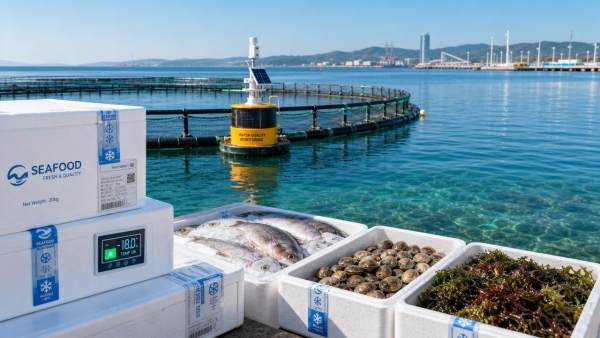
Aquaculture & Fishery is reshaping coastal food supply with greater speed than many traditional food systems can match. Rising protein demand, climate disruption, and trade uncertainty are pushing coastal economies toward more controlled, data-led, and resource-efficient production models.
In this transition, aquaculture & fishery is no longer only about harvesting marine resources. It now connects nutrition security, cold-chain logistics, environmental compliance, feed innovation, and digital traceability across integrated industrial networks.
For research-led industry platforms such as AgriChem Chronicle, the topic matters because coastal food supply increasingly depends on technical systems. Those systems influence output stability, ecosystem pressure, export readiness, and confidence in regulated supply chains.
Defining the modern scope of aquaculture & fishery
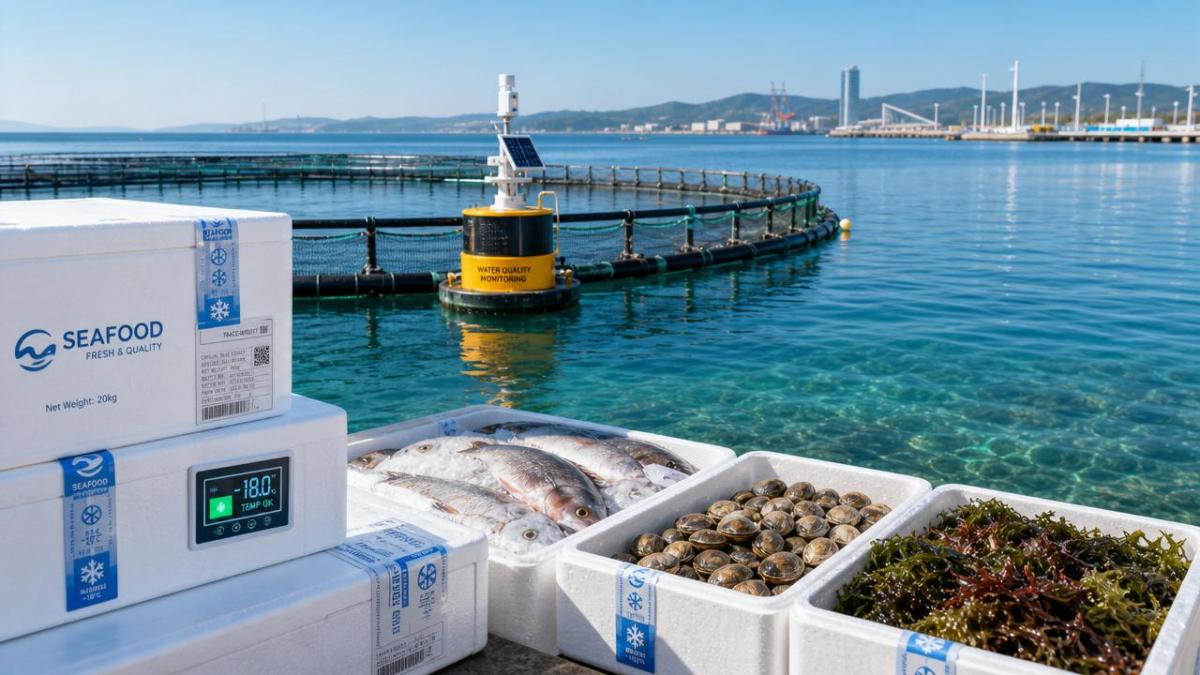
Aquaculture & fishery covers two linked but distinct activities. Aquaculture refers to the farming of fish, shellfish, and aquatic plants under managed conditions. Fishery refers to the capture, handling, and distribution of wild aquatic resources.
Historically, coastal food supply leaned heavily on wild catch. That model now faces biological limits, seasonal volatility, and tighter marine governance. As a result, aquaculture & fishery is evolving into a balanced system that mixes cultivation, selective harvesting, and post-harvest optimization.
This broader interpretation matters for SEO and industry understanding. Searches around aquaculture & fishery increasingly include hatchery systems, disease management, smart feeding, recirculating aquaculture systems, vessel monitoring, and seafood traceability.
The sector also overlaps with chemicals, engineering, feed processing, and environmental science. Water treatment agents, oxygen control tools, biosecurity inputs, and compliance reporting software now shape operational performance as much as marine geography does.
Why coastal food supply is shifting now
Several structural forces explain why aquaculture & fishery has become central to coastal resilience. These shifts are not temporary. They are changing infrastructure investment, policy design, and technology adoption across global shorelines.
- Wild stock pressure is reducing dependence on unrestricted capture volumes.
- Consumer demand for traceable protein is strengthening premium seafood markets.
- Climate variability is disrupting migration patterns, spawning cycles, and harvest timing.
- Coastal urbanization is increasing local demand for reliable nearby food sources.
- Digital tools are making managed production more measurable and scalable.
These pressures make aquaculture & fishery attractive because it can diversify risk. When capture supply weakens, farmed output may stabilize volume. When input prices rise, better monitoring can improve feed conversion and reduce loss rates.
The result is a more strategic role for coastal production. Instead of reacting to marine conditions alone, operators can plan around biological cycles, logistics windows, and export regulations with greater accuracy.
Current industry signals
Technologies driving aquaculture & fishery transformation
Technology is making aquaculture & fishery more predictable. Production decisions that once relied mostly on experience are now guided by sensor data, software alerts, and integrated monitoring tools.
Farm system innovation
Recirculating aquaculture systems support land-based farming with controlled water reuse. These systems reduce external contamination risk, improve stocking precision, and help coastal regions produce seafood closer to demand centers.
Offshore cages and hybrid marine platforms also expand options. They can improve water exchange, reduce nearshore congestion, and create space for higher-value species under managed farming conditions.
Digital monitoring and traceability
IoT devices track dissolved oxygen, temperature, salinity, and feeding behavior. This helps operators respond faster to stress signals. It also creates records that support audits, certifications, and buyer confidence.
In fisheries, vessel tracking, catch documentation, and digital landing records improve legal compliance. These tools help distinguish responsible marine supply from illegal or unreported sources.
Feed and health management
Feed remains one of the most decisive cost and sustainability factors in aquaculture & fishery. Better formulations, alternative proteins, and precision feeding systems improve conversion rates while reducing nutrient discharge.
Biosecurity protocols are also expanding. Hatchery hygiene, pathogen screening, water treatment, and controlled input sourcing now determine whether production can scale without severe biological setbacks.
Business value across the wider industrial landscape
Aquaculture & fishery matters beyond seafood output. It supports a wider industrial ecosystem that includes equipment manufacturing, specialty chemicals, packaging, transport, feed milling, and environmental services.
For coastal economies, this creates layered value. Farms and landing sites generate direct food supply. Processing plants create storage and export capability. Support industries build technical capacity and regional employment.
The business case strengthens when systems become more transparent. Verified production data improves financing visibility, risk assessment, and compliance planning. That is especially important in sectors shaped by food safety and environmental rules.
- More stable protein supply for coastal populations
- Better resource efficiency through managed production
- Stronger export positioning through traceable products
- New demand for monitoring, treatment, and processing technologies
- Improved resilience against seasonal and market shocks
This is why aquaculture & fishery now appears in broader discussions about food security, industrial modernization, and sustainable coastal development. It is not an isolated niche. It is part of a larger supply architecture.
Typical coastal models and operating scenarios
Not every coastline uses aquaculture & fishery in the same way. Geography, regulation, species profile, and infrastructure determine which model becomes viable and scalable.
These models often coexist. A region may combine regulated wild catch, hatchery support, and processing facilities. That combination gives coastal food supply greater flexibility than dependence on one single production path.
Practical considerations for stronger outcomes
Effective aquaculture & fishery development depends on disciplined execution. Growth without technical control can increase disease risk, environmental stress, and product inconsistency.
- Match species choice to water conditions, feed access, and market destination.
- Use water quality monitoring as a daily management tool, not an occasional check.
- Build traceability from hatchery or catch point to final shipment.
- Evaluate cold-chain reliability before increasing output volume.
- Align operations with environmental and food safety standards from the start.
- Review feed efficiency, mortality, and post-harvest loss as core performance metrics.
Another important step is cross-sector coordination. Feed processors, sensor providers, water treatment specialists, and logistics partners all influence the final reliability of aquaculture & fishery supply.
That systems view fits the broader editorial focus of AgriChem Chronicle. Coastal food supply is shaped by science, regulation, equipment capability, and data integrity working together rather than separately.
Next steps for informed coastal planning
Aquaculture & fishery will continue to reshape coastal food supply because it answers several urgent needs at once. It supports protein security, enables measurable production, and creates room for better environmental management.
The most useful next step is to map the local chain in detail. Review species suitability, farming systems, catch controls, processing gaps, compliance obligations, and data visibility before expansion decisions are made.
A disciplined review can reveal where aquaculture & fishery creates the highest strategic value. In many coastal regions, that value now lies not only in harvest volume, but in resilient, transparent, and technically credible food supply systems.
Related Intelligence
- RAS SystemsSustainable Aquaculture Practices That Cut Feed Waste and Protect Fish Farm Water QualitySustainable aquaculture for fish farms: reduce feed waste, protect water quality, and build resilient, efficient systems with practical strategies.
- RAS SystemsDrum Filter System Price: How Flow Rate, Micron Rating, and Automation Affect CostDrum filter system price depends on flow rate, micron rating, automation, materials, and lifecycle costs. Compare quotes confidently and choose the right system.
- RAS SystemsHow to Specify Large-Scale Fish Farming Equipment for High-Output RAS ProjectsLarge scale fish farming equipment guide for high-output RAS projects—specify tanks, filtration, oxygen, automation, and redundancy for reliable growth.
The Morning Broadsheet
Daily chemical briefings, market shifts, and peer-reviewed summaries delivered to your terminal.
