

The Authority in Global Agricultural Chemistry & Bio-Resources
What to check before buying pvc foam buoys bulk
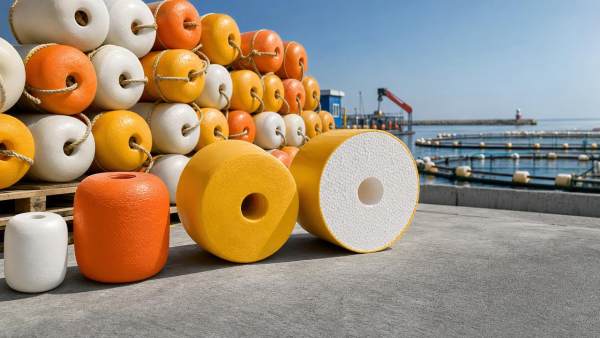
Buying pvc foam buoys bulk can lower landed cost and stabilize supply, but large orders also magnify quality mistakes. If foam density, skin integrity, buoyancy retention, or compliance records fall short, replacement costs rise fast. Before confirming volume, check material construction, performance data, production consistency, and documentation so the order supports long-term use rather than short-term savings.
Why a checklist matters before ordering pvc foam buoys bulk
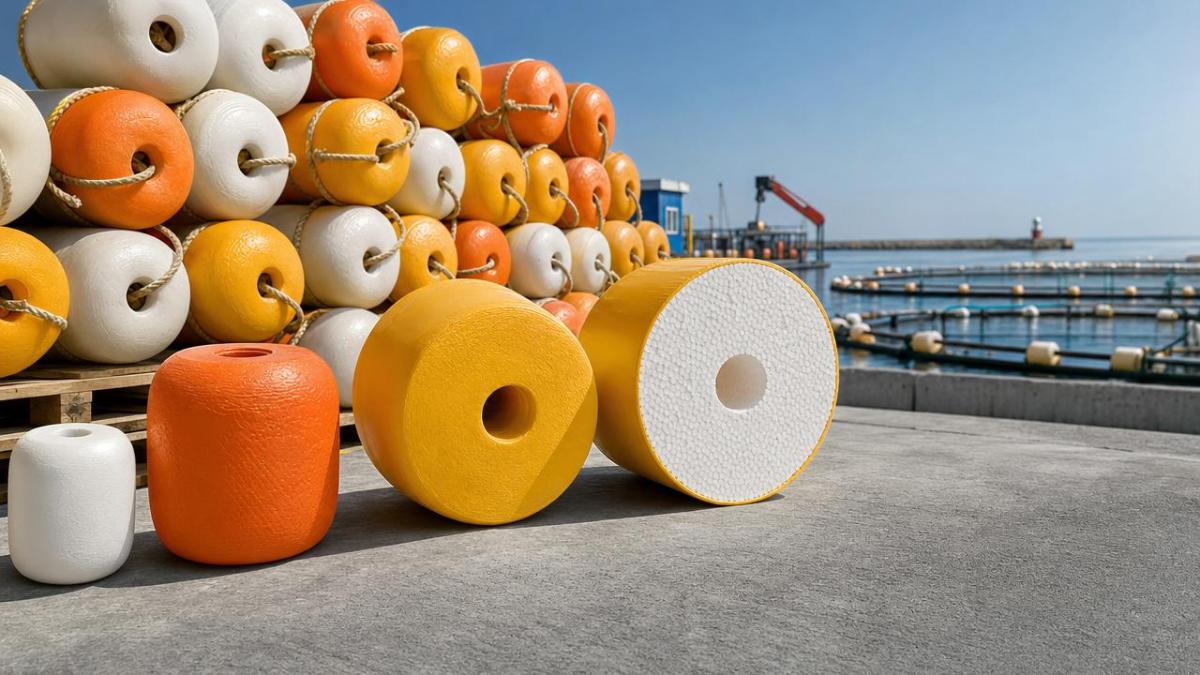
A checklist reduces guesswork when comparing offers that look similar on price sheets. In marine, aquaculture, fishery, and industrial float applications, small specification gaps can change service life dramatically.
Bulk buying also introduces batch risk. One weak production run can affect hundreds or thousands of units. A structured review helps verify whether pvc foam buoys bulk meet operating demands, transport conditions, and regulatory expectations.
This is especially relevant in cross-border sourcing, where test language, resin grades, and tolerance standards may differ. A checklist creates a common basis for supplier review, sample approval, and final inspection.
Core checklist before buying pvc foam buoys bulk
- Confirm buoy size, net buoyancy, wall thickness, and core density against the exact mooring, net support, marker, or aquaculture load requirement.
- Request the raw material specification sheet and verify whether the PVC foam formulation is closed-cell, UV-stabilized, and resistant to water absorption.
- Check the outer skin finish for cracks, voids, bubbles, or weak seams that may accelerate abrasion and shorten field life.
- Review test data for buoyancy retention after compression, prolonged immersion, temperature cycling, and exposure to saltwater or freshwater conditions.
- Measure dimensional tolerance and weight consistency across samples to confirm stable molding quality in large-volume pvc foam buoys bulk production.
- Inspect the central tube, rope hole, or hardware interface for reinforcement strength, corrosion compatibility, and smooth finishing around stress points.
- Ask for batch traceability, production date coding, and lot identification so future quality claims can be linked to a specific shipment.
- Verify compliance documents, including material declarations, marine-use test reports, and any destination-market environmental or safety paperwork.
- Compare packaging method, palletization, and container loading plan to reduce deformation, scuffing, and freight inefficiency during export handling.
- Approve a pre-shipment sample and align an inspection checklist covering appearance, buoyancy, dimensions, labeling, and packing details.
Key technical points to verify in supplier documents
The most useful documents go beyond a simple quotation. Look for density range, buoyancy values, hardness, water absorption rate, and recommended service environment. These figures reveal whether the product is engineered or generic.
When evaluating pvc foam buoys bulk, ask whether values are based on internal testing, third-party testing, or historical production averages. Data source matters, especially for durability claims in demanding water conditions.
How application changes what to check
Aquaculture and fishery use
For cage systems, net support, and longline setups, buoyancy stability and abrasion resistance are often the first priorities. Constant movement against ropes, frames, and waves can wear weak outer skins quickly.
In this setting, pvc foam buoys bulk should be checked for saltwater durability, algae exposure, handling impact, and performance after months of immersion rather than short laboratory contact only.
Mooring, marking, and navigation support
Marker and mooring applications place greater stress on visibility, structural attachment points, and dimensional consistency. A buoy that drifts off spec may compromise positioning or create maintenance issues.
Check pigment stability, reflective options if required, and reinforcement around rope channels or center tubes. Repeated tension cycles can damage poorly finished connection areas.
Freshwater reservoirs and inland operations
Freshwater may seem less aggressive than marine use, but temperature swings, UV exposure, and seasonal storage still affect performance. Freeze-thaw conditions can expose weak foam structure or brittle surfaces.
For inland projects, review storage recommendations, low-temperature behavior, and packaging protection. These details matter when pvc foam buoys bulk are delivered months before deployment.
Commonly overlooked risks in pvc foam buoys bulk sourcing
Ignoring density variation
Two buoys with the same external size may deliver different flotation if foam density shifts between batches. Always compare actual buoyancy and finished unit weight, not only nominal dimensions.
Accepting unclear test conditions
Performance claims are less useful without method details. Ask whether tests were done in saltwater, freshwater, room temperature, or accelerated weathering conditions. Results without context can mislead decisions.
Overlooking packaging damage
Surface dents, scratches, and compression can happen before arrival, especially in containerized export shipments. Packaging quality should be reviewed as carefully as the product itself.
Focusing only on unit price
A lower quote for pvc foam buoys bulk may hide weaker UV additives, lower-density foam, or looser tolerance control. The true comparison should include lifespan, rejection rate, and replacement frequency.
Skipping lot-based inspection
Bulk consistency cannot be assumed from one showroom sample. Use lot-based inspection with clear acceptance criteria for dimensions, appearance, and flotation before release of the final balance payment.
Practical execution steps before placing the order
- Start with a written specification sheet covering size, buoyancy, color, tolerance, and intended water environment.
- Request samples from the actual production line, not a special hand-finished piece.
- Set pass-fail standards for weight, dimensions, surface finish, and attachment point quality.
- Ask for photos or video of molding, finishing, and packing procedures during production.
- Use a pre-shipment inspection plan with random sampling tied to the approved sample and purchase specification.
- Keep all test reports, declarations, and lot numbers linked to invoice and shipment records.
If order volume is large, stage the purchase in two shipments when possible. The first lot can validate real-world performance before the full quantity is delivered. This approach lowers exposure without losing price leverage.
Final takeaways for better bulk decisions
Choosing pvc foam buoys bulk should never rely on appearance or quotation alone. The better decision comes from matching buoy design to application, checking material and buoyancy data, and verifying lot consistency with documented inspection.
Use a shortlist of critical checks: foam structure, UV resistance, load performance, attachment strength, packaging, and traceable compliance records. Then confirm everything with a production sample and pre-shipment review.
With that process in place, pvc foam buoys bulk can deliver both cost efficiency and dependable field performance. The next step is simple: turn your operating conditions into a written specification, then compare suppliers against the same technical checklist.
Related Intelligence
- Commercial FishingWhat Should You Check in a Fishery Equipment Maintenance Contract?What should I look for in a fishery equipment maintenance contract? Explore coverage, response times, costs, records, safety, and biosecurity essentials.
- Commercial FishingDo commercial fishing vessels with hybrid diesel-electric propulsion reduce fuel cost per kg landed by more than 12%?Commercial fishing vessels with hybrid diesel-electric propulsion *can* cut fuel cost per kg landed by >12%—but only under precise operational and infrastructure conditions. Discover the real ROI.
- Commercial FishingHow to Choose Oyster Processing Equipment for Capacity, Hygiene, and Labor EfficiencyOyster processing equipment guide: compare capacity, hygienic design, and labor efficiency to build a reliable, scalable line and make smarter buying decisions.
The Morning Broadsheet
Daily chemical briefings, market shifts, and peer-reviewed summaries delivered to your terminal.
