

The Authority in Global Agricultural Chemistry & Bio-Resources
Floating pontoon docks need more planning than most expect
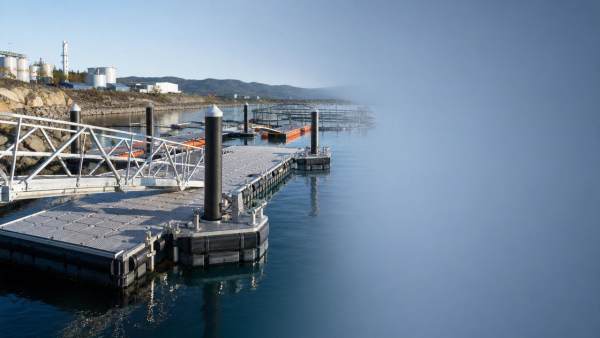
Floating pontoon docks often appear straightforward, yet they demand more technical planning than many project teams anticipate. From load calculations and anchoring systems to regulatory compliance, site conditions, and long-term maintenance, early decisions directly affect safety, budget control, and operational performance. For project managers and engineering leads, understanding these variables is essential to delivering a dock system that performs reliably under real-world environmental and commercial pressures.
In sectors tied to aquaculture, fishery logistics, agricultural water access, raw material handling, and industrial shoreline operations, floating pontoon docks are not cosmetic additions. They are working assets that support people, equipment, feed transfer, service boats, pumps, inspection routines, and seasonal loading cycles.
That is why project planning must go beyond platform size or purchase price. A dock that performs well for 6 months but fails under peak loading, storm exposure, or compliance review can trigger delays, repair costs, and operational risk far beyond the original budget estimate.
Why floating pontoon docks require deeper project planning
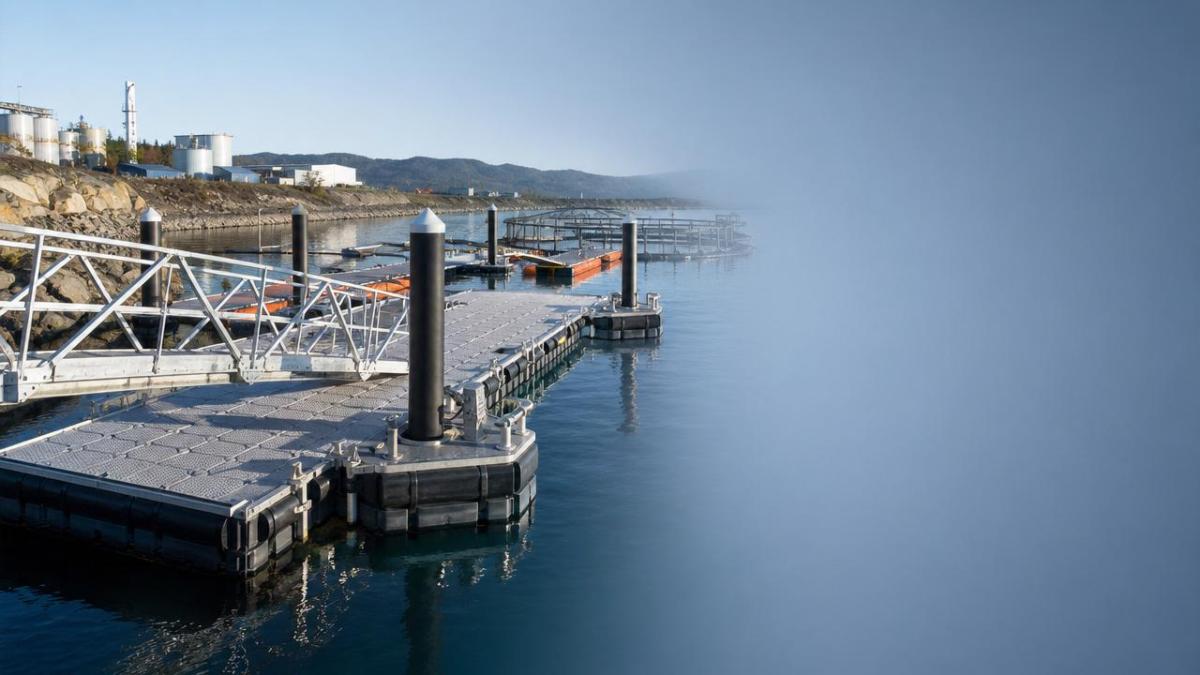
For project managers, the main challenge is that floating pontoon docks sit at the intersection of civil works, marine engineering, procurement, and daily operations. A usable concept drawing is only the first 10% of the work. The remaining 90% is in environmental fit, structural detailing, access logic, and lifecycle planning.
In primary industries, dock use patterns are rarely static. A pontoon may need to handle 2 operators on one day, then support palletized inputs, hoses, cages, or maintenance gear the next. If the design load allowance is too narrow, operational flexibility disappears quickly.
Load planning is more than a simple weight estimate
Many teams begin with a single total load number, such as 500 kg or 1,000 kg. In practice, design planning should examine at least 4 variables: static load, dynamic load, concentrated point load, and traffic flow. A dock used for hand carts or drum handling may see localized stress far above average deck loading.
Freeboard also matters. If the dock sits too low when loaded, boarding safety, hose routing, and vessel interface all become less reliable. In many working installations, a practical freeboard target falls within a range such as 300 mm to 500 mm, depending on transfer method and user profile.
Typical planning mistakes in early-stage specifications
- Using average load instead of peak operational load
- Ignoring equipment clustering near ramps, bollards, or service points
- Assuming calm-water performance in a site with seasonal wave action
- Underestimating the effect of 12-month wear, corrosion, and UV exposure
The table below helps project leads frame planning inputs before they move into supplier comparison or technical review.
The key takeaway is simple: floating pontoon docks should be planned as operational platforms, not generic floating surfaces. Once load assumptions are clarified early, downstream decisions become more accurate and procurement risk drops significantly.
Anchoring and movement control often determine long-term success
A well-built dock can still perform poorly if the anchoring concept is weak. The right system depends on water depth, bed conditions, water level fluctuation, current, vessel contact, and maintenance access. In some facilities, vertical pile guides are preferred. In others, chain, elastic mooring, or hybrid restraint systems are more practical.
Project teams should review movement tolerance in 3 directions: vertical travel, lateral drift, and rotational swing. Even a lateral movement of 150 mm to 300 mm can create boarding issues where gangways, pipe runs, or service alignment require tighter control.
Regulatory and site constraints can reshape the original design
Permitting is often underestimated during early budgeting. Depending on the jurisdiction, a floating pontoon dock project may need shoreline review, environmental approval, navigational clearance, stormwater consideration, or aquaculture-specific operational consent. Lead times can range from 2 weeks for minor modifications to 3 months or longer for sensitive sites.
For operators in fishery tech, feed processing terminals, or agricultural water logistics, compliance can also affect material selection. Anti-slip decking, corrosion-resistant framing, handrail requirements, and access slope limits may all be reviewed before installation approval is granted.
How to specify floating pontoon docks for industrial and primary-sector use
A strong specification process protects both project schedule and supplier accountability. Instead of asking vendors for a “standard dock,” project managers should define operating conditions, load profiles, interfaces, inspection expectations, and acceptable tolerances from the start.
Core specification categories to lock down early
Most floating pontoon docks can be evaluated across 6 categories: structural frame, flotation system, deck surface, anchoring method, access arrangement, and maintenance exposure. If even 1 of these categories remains vague, quotations are difficult to compare fairly.
- Define intended use: personnel access, feed transfer, inspection, utility support, or mixed use.
- Set the design load range and likely peak conditions.
- Record water depth, seasonal fluctuation, and wave exposure.
- Specify corrosion environment: freshwater, brackish, or marine.
- Clarify ramp length, slope limits, and vessel interface needs.
- Assign inspection and maintenance intervals, such as quarterly or biannual review.
The next table provides a structured view of specification choices commonly reviewed in procurement and engineering discussions.
This comparison shows why purchase decisions should not be reduced to unit price alone. The most economical offer on paper may create higher installation complexity, shorter maintenance cycles, or lower operational safety over a 5- to 10-year service period.
Material and environmental fit matter more than brochure claims
In aquaculture and industrial waterfront settings, exposure conditions can be severe. UV radiation, salinity, fertilizer runoff, washdown chemicals, and repeated impact from service craft all accelerate wear. A dock intended for occasional recreational access should not be assumed suitable for daily industrial handling.
For example, a site with 1.5 m annual water variation and regular debris flow may require stronger guide systems and easier replacement access for wear components. In exposed areas, teams should also assess wave chop periods, seasonal storm frequency, and the resilience of hinges, cleats, and fender points.
Questions procurement teams should ask suppliers
- What design load assumptions were used per square meter and at concentrated points?
- How is flotation redundancy handled if one section is damaged?
- What maintenance tasks are expected every 3, 6, and 12 months?
- Which components are most exposed to corrosion or fatigue?
- What site data must be confirmed before fabrication starts?
Implementation, risk control, and lifecycle performance
Even the best floating pontoon docks can underperform if implementation is rushed. Successful delivery usually follows a staged process: site survey, engineering review, approval check, fabrication planning, installation sequencing, and post-installation inspection. In many commercial projects, 5 to 7 steps are needed before handover is complete.
A practical delivery sequence for project teams
A realistic schedule often spans 4 to 12 weeks depending on site access, fabrication complexity, and permit readiness. Remote fishery sites or agricultural processing locations may need additional mobilization time for lifting equipment, barge support, or shoreline preparation.
- Conduct site measurements, water review, and operational interviews.
- Freeze the specification and approve the interface layout.
- Confirm permits, delivery access, and installation method.
- Fabricate modules and prepare anchoring hardware.
- Install, align, test movement, and complete safety checks.
- Document maintenance instructions and inspection points.
Maintenance planning should be built into the budget
Some teams budget carefully for fabrication but leave maintenance undefined. That creates avoidable risk. Floating pontoon docks in working environments typically benefit from visual checks every month, hardware inspection every 3 to 6 months, and a more detailed structural review every 12 months, adjusted for exposure severity.
Maintenance is not only about structural integrity. It includes anti-slip performance, fastener loosening, float damage, gangway wear, fender condition, and biofouling buildup. Where docks support aquaculture or chemical-adjacent processing activities, cleaning procedures should also align with site hygiene and environmental controls.
Common project risks and how to reduce them
The most common failures are rarely dramatic engineering errors. More often, they come from incomplete planning: poor site data, unclear load assumptions, weak anchoring details, or no maintenance ownership. These issues can increase total lifecycle cost by 15% to 30% through reactive repair, downtime, and retrofits.
- Risk 1: Site conditions recorded in one season only
- Mitigation: Review water levels, wind, and operational loads across a full annual cycle where possible
- Risk 2: Specification issued without service-use details
- Mitigation: Define users, equipment, vessel type, and transfer tasks before tendering
- Risk 3: Lowest-cost anchoring selected without movement analysis
- Mitigation: Evaluate restraint performance under peak lateral and vertical conditions
When a custom solution is justified
A standard modular dock may be adequate for low-intensity access. However, custom engineering is often justified when the site includes tidal shifts above 1 m, high service frequency, integrated utilities, heavy-duty feed or material transfer, or strict compliance requirements. In these cases, the cost of under-specification usually exceeds the premium for better design.
For project managers and engineering leads, the central lesson is clear: floating pontoon docks need to be planned as mission-critical infrastructure. Accurate load definition, robust anchoring, material fit, compliance review, and structured maintenance all shape long-term value far more than headline purchase price.
For organizations operating in aquaculture, fishery technology, agricultural water access, and industrial shoreline handling, a well-specified dock supports safer workflows, more predictable maintenance, and stronger operational continuity. If you are evaluating a new installation or upgrading an existing platform, now is the right time to review the technical brief in detail.
Contact us to discuss your application, obtain a tailored floating pontoon dock specification framework, or explore more solutions aligned with demanding primary-industry operating conditions.
Related Intelligence
- Commercial FishingWhat Should You Check in a Fishery Equipment Maintenance Contract?What should I look for in a fishery equipment maintenance contract? Explore coverage, response times, costs, records, safety, and biosecurity essentials.
- Commercial FishingDo commercial fishing vessels with hybrid diesel-electric propulsion reduce fuel cost per kg landed by more than 12%?Commercial fishing vessels with hybrid diesel-electric propulsion *can* cut fuel cost per kg landed by >12%—but only under precise operational and infrastructure conditions. Discover the real ROI.
- Commercial FishingHow to Choose Oyster Processing Equipment for Capacity, Hygiene, and Labor EfficiencyOyster processing equipment guide: compare capacity, hygienic design, and labor efficiency to build a reliable, scalable line and make smarter buying decisions.
The Morning Broadsheet
Daily chemical briefings, market shifts, and peer-reviewed summaries delivered to your terminal.
