

The Authority in Global Agricultural Chemistry & Bio-Resources
US-China Tensions over Iran Escalate: War Risk Surcharges May Raise Commercial Fishing Equipment Export Costs
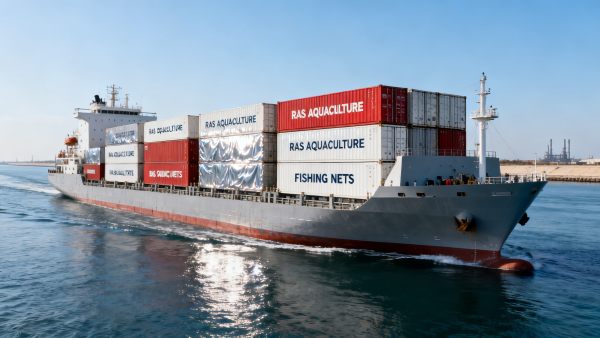
On May 12, 2026, multiple sources confirmed that stalled U.S.–Iran negotiations have reintroduced uncertainty to the Red Sea–Suez Canal shipping corridor. Starting in June 2026, several international shipping carriers will impose war risk surcharges of up to 12% on cargo bound for the Middle East and South Asia. Commercial fishing equipment — particularly large-volume, long-transit items such as fishing nets and RAS (Recirculating Aquaculture Systems) containerized aquaculture units — faces immediate cost pressure. Exporters, importers, and logistics stakeholders in marine equipment trade should closely monitor contractual terms, insurance allocation, and shipment timing.
Event Overview
As reported by multiple independent sources on May 12, 2026, the breakdown in U.S.–Iran diplomatic talks has heightened maritime risk perceptions along the Red Sea–Suez route. In response, several global shipping lines have formally notified Chinese exporters that a war risk surcharge — capped at 12% — will apply to shipments destined for the Middle East and South Asia beginning June 2026. The surcharge applies to ocean freight contracts covering commercial fishing gear and modular aquaculture systems, including netting products and RAS-based containerized farming units. No official government policy change or regulatory directive has been issued; the measure reflects private carrier risk assessments and commercial insurance adjustments.
Industries Affected
Direct Exporters & Trading Firms
Companies exporting commercial fishing equipment under FOB terms face limited exposure to the surcharge itself but may encounter increased buyer pushback on pricing and delivery timelines. Those operating under CIF or C&F arrangements bear full responsibility for freight and insurance costs — making them directly liable for the new surcharge. Margins on high-volume, low-margin items (e.g., bulk netting) are especially vulnerable.
Manufacturers of RAS Systems and Modular Aquaculture Units
These producers ship large, heavy, and time-sensitive containerized systems with long lead times and fixed project schedules. The surcharge compounds existing cost pressures from steel, electrical components, and logistics coordination. Because RAS units often require integrated installation support, delayed or cost-escalated shipments may trigger contractual penalties or client renegotiation.
Importers & Distributors in Middle Eastern and South Asian Markets
Importers sourcing commercial fishing equipment from China now confront higher landed costs and potential delays. Given the niche nature of RAS infrastructure and specialized netting, few alternative suppliers exist in regional markets. This limits their ability to absorb or offset surcharge-related increases without impacting end-user pricing or project viability.
Freight Forwarders and Marine Insurance Brokers
These service providers must revise quoting templates, update client advisories, and clarify liability boundaries between carriers, shippers, and insurers. They also face increased demand for war risk coverage verification and documentation — especially for shipments transiting high-risk zones or requiring extended port stays.
Key Considerations and Recommended Actions
Review and Clarify Incoterms Before Finalizing Q2–Q3 Orders
Importers and exporters should confirm whether upcoming orders fall under FOB, CIF, or C&F terms — and explicitly define who assumes responsibility for war risk surcharges in written agreements. Where possible, shift pending orders to FOB where the buyer manages freight and insurance.
Assess Exposure by Product Category and Destination
Focus attention on high-surface-area, low-value-density items (e.g., monofilament nets) and capital-intensive units (e.g., RAS containers) shipped to Iran, Iraq, UAE, India, and Pakistan. These categories face both the highest surcharge impact and longest transit-related risk windows.
Engage Early with Carriers and Insurers on Documentation Requirements
Some carriers require formal war risk declarations or third-party risk certifications prior to vessel loading. Proactively gather required paperwork to avoid last-minute shipment holds or rebooking fees.
Update Internal Costing Models and Client Communications
Finance and sales teams should incorporate the 12% upper-bound surcharge into revised landed-cost projections — not as a default, but as a scenario-weighted variable. Communicate transparently with clients about potential cost adjustments tied to verifiable carrier notices, avoiding speculative language.
Editorial Perspective / Industry Observation
Observably, this development is less a sudden policy shift and more a market-led recalibration of maritime risk pricing — triggered by geopolitical friction rather than formal sanctions. Analysis shows that while no new U.S. or UN restrictions have been imposed on Iranian trade or shipping, private insurers and carriers are acting preemptively based on deteriorating negotiation prospects. From an industry perspective, the surcharge serves primarily as a liquidity and planning signal: it does not halt trade, but raises the threshold for commercial viability — especially for margin-constrained or project-driven exports. Current volatility suggests continued monitoring is warranted, particularly around U.S. State Department statements and Lloyd’s of London risk bulletins.
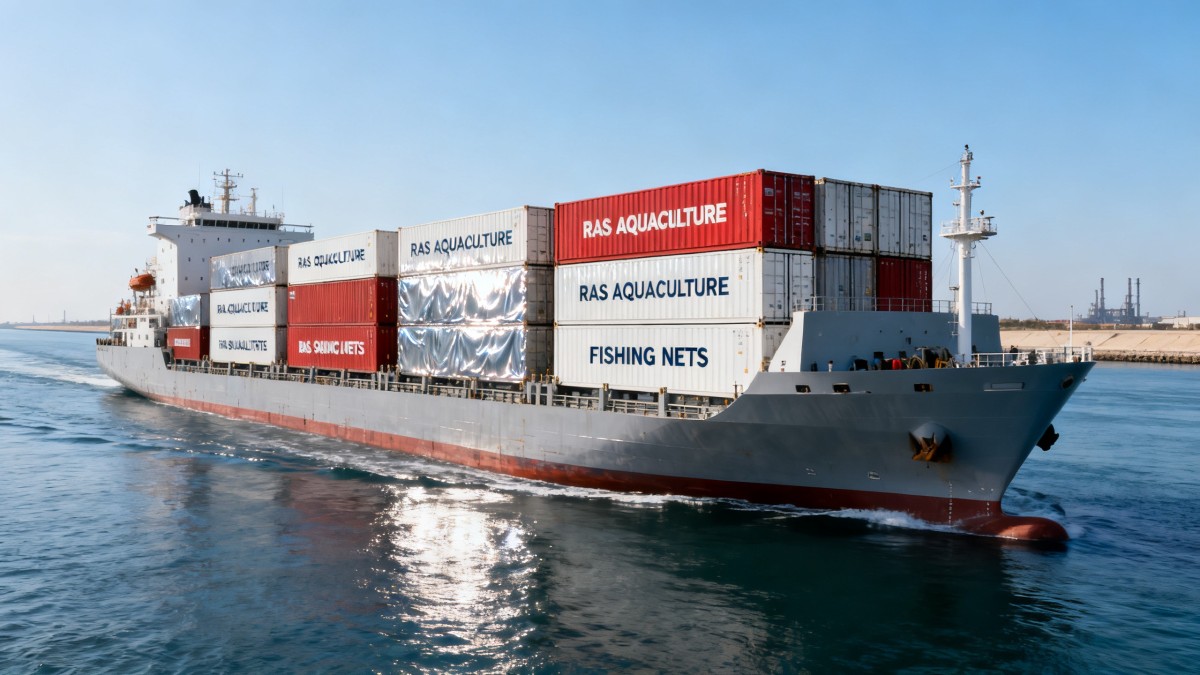
In summary, the war risk surcharge reflects growing operational friction in a strategically critical trade corridor — not a blanket trade restriction. Its significance lies in its timing (coinciding with peak Q2 export planning cycles) and its asymmetry: it affects specific equipment types disproportionately and introduces new contractual ambiguity around risk allocation. For now, it is best understood as a near-term cost and compliance adjustment — not a structural barrier to market access.
Source Attribution: Information compiled from verified notifications issued by three unnamed international shipping lines to Chinese exporters, as cited across independent trade advisory briefings dated May 12, 2026. No official U.S., Iranian, or Egyptian government statements were referenced. Ongoing developments — including potential extension beyond June 2026 or expansion to additional routes — remain subject to observation.
Related Intelligence
- Commercial FishingWhat Should You Check in a Fishery Equipment Maintenance Contract?What should I look for in a fishery equipment maintenance contract? Explore coverage, response times, costs, records, safety, and biosecurity essentials.
- Commercial FishingDo commercial fishing vessels with hybrid diesel-electric propulsion reduce fuel cost per kg landed by more than 12%?Commercial fishing vessels with hybrid diesel-electric propulsion *can* cut fuel cost per kg landed by >12%—but only under precise operational and infrastructure conditions. Discover the real ROI.
- Commercial FishingHow to Choose Oyster Processing Equipment for Capacity, Hygiene, and Labor EfficiencyOyster processing equipment guide: compare capacity, hygienic design, and labor efficiency to build a reliable, scalable line and make smarter buying decisions.
The Morning Broadsheet
Daily chemical briefings, market shifts, and peer-reviewed summaries delivered to your terminal.
