

The Authority in Global Agricultural Chemistry & Bio-Resources
What makes commercial fishing floats last longer at sea
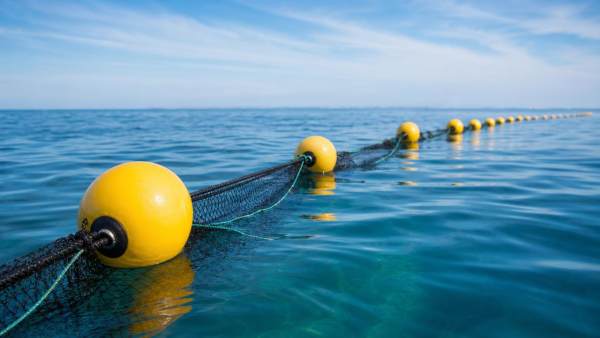
In demanding offshore environments, the service life of commercial fishing floats depends on more than buoyancy alone. Durable performance comes from materials, sealing, structure, and disciplined maintenance.
As operating costs rise and compliance scrutiny increases, longer-lasting commercial fishing floats have become a reliability issue, not just a hardware choice. Better float life means fewer gear losses, safer operations, and lower replacement pressure.
This shift matters across aquaculture, capture fisheries, and marine equipment servicing. Understanding why some commercial fishing floats survive years at sea helps maintenance planning and supports stronger lifecycle control.
Sea conditions are exposing weak points in commercial fishing floats faster than before
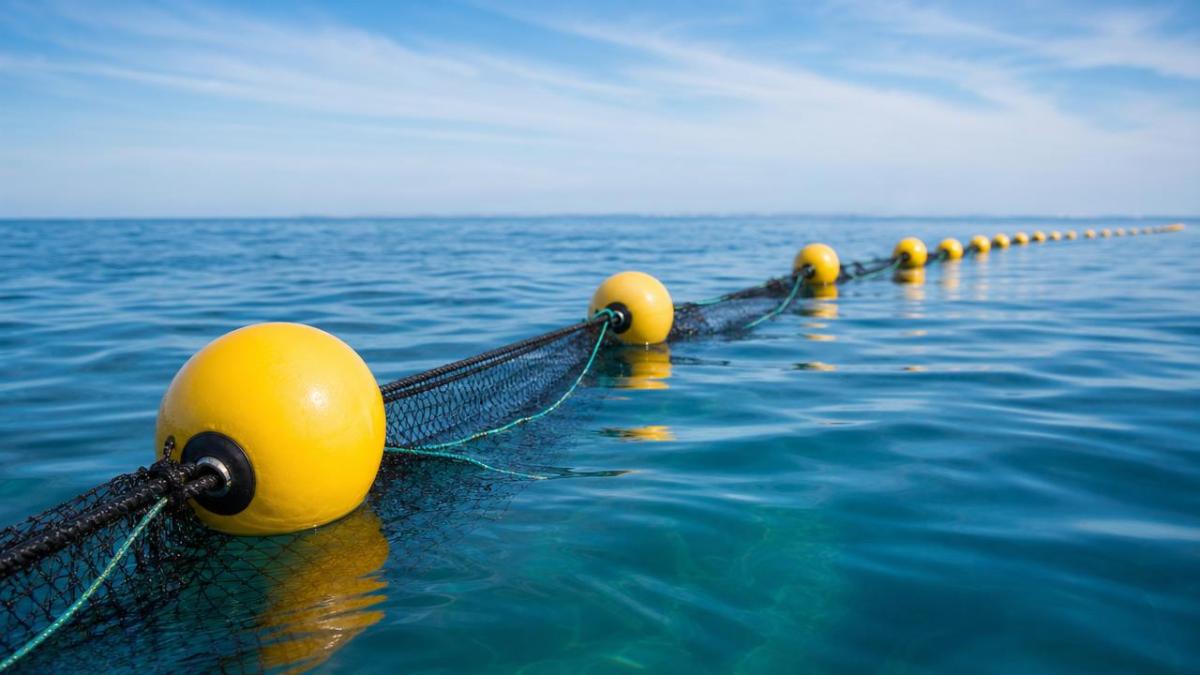
Open-water operations now face harsher sunlight, wider temperature swings, rougher handling, and longer deployment cycles. These pressures reveal which commercial fishing floats are truly engineered for endurance.
In many fleets, floats remain in service longer between overhauls. That makes gradual degradation more dangerous, because small cracks or seal failures often stay hidden until buoyancy suddenly drops.
The result is a clear trend: float longevity is increasingly tied to preventive inspection, material science, and traceable build quality. Simple low-cost selection often leads to higher replacement frequency later.
What makes commercial fishing floats last longer at sea is becoming easier to identify
Long service life usually comes from a combination of five factors. No single feature guarantees durability. Performance depends on how these factors work together during real offshore exposure.
- High-density, impact-resistant shell materials
- Strong UV stabilization against surface embrittlement
- Reliable sealing that blocks water ingress under pressure
- Structural design that resists abrasion and repeated shock
- Routine inspection and timely maintenance intervention
When evaluating commercial fishing floats, flotation rating alone is incomplete. Long-term durability depends on how the float handles UV, salt, impact, and repeated loading over time.
Material selection now defines baseline durability
Rotomolded polyethylene, EVA blends, and engineered polymers are widely used in commercial fishing floats. Better grades resist cracking, deformation, and chemical attack from fuels, oils, and marine contaminants.
Closed-cell construction also matters. It helps maintain buoyancy even when outer surfaces are scratched. This design reduces sudden failure risk after minor external damage.
UV resistance has become a major service-life divider
Constant exposure to solar radiation degrades many plastics. Without stabilizers, commercial fishing floats can fade, harden, and become brittle. Cracks then form under wave impact or deck handling.
UV-resistant additives, colorfast compounds, and tested marine-grade formulations extend usable life significantly. In tropical and high-reflection waters, this factor can outweigh initial price differences.
Sealing integrity decides whether damage stays minor or becomes terminal
A float may appear intact while slowly taking in water. Weak seams, poor valve design, or inconsistent molding create hidden failure paths. Over time, buoyancy loss affects net depth and gear behavior.
Commercial fishing floats with dependable sealing systems hold performance longer. Weld quality, closure design, and pressure consistency during manufacturing all influence long-term water resistance.
The main drivers behind longer-lasting commercial fishing floats can be compared directly
This comparison shows why durable commercial fishing floats are not defined by one specification line. Longevity comes from matched engineering and maintenance behavior under actual marine stress.
The impact of float longevity is spreading across multiple operating stages
Longer-lasting commercial fishing floats improve more than replacement intervals. They influence gear stability, maintenance scheduling, environmental exposure, and documentation quality for regulated marine operations.
When floats fail early, the effects move downstream. More labor is needed for retrieval, inspection, and re-rigging. Unplanned downtime also increases pressure on spare stock and field support resources.
- Stable buoyancy helps maintain intended net geometry
- Fewer failures reduce emergency servicing offshore
- Longer float life lowers waste and disposal frequency
- Reliable records support compliance and equipment audits
For integrated marine supply chains, commercial fishing floats are becoming lifecycle assets. Their durability affects planning accuracy, service budgets, and operational continuity across seasons.
Maintenance practices are now the strongest controllable factor after material quality
Even high-grade commercial fishing floats can fail early without structured care. Maintenance teams often gain the biggest extension in service life through inspection timing, cleaning, storage, and retirement criteria.
Inspection should focus on early warning signs
- Hairline cracks near seams or attachment points
- Soft spots indicating internal separation or water entry
- Discoloration linked to advanced UV fatigue
- Abrasion grooves caused by rope or deck contact
- Changes in weight that suggest internal flooding
Cleaning and storage routines protect long-term performance
Salt deposits attract abrasion and can hide surface damage. Rinsing floats after retrieval helps reveal cracks sooner. Dry storage away from prolonged sunlight slows avoidable UV deterioration.
Commercial fishing floats should also be kept away from sharp edges, hydrocarbons, and compressive stacking that distorts shape. Poor off-season storage often shortens the next deployment cycle.
The most useful focus areas are shifting from purchase price to verified service life
Current market behavior shows a move toward measurable durability. Buyers and service planners increasingly ask how commercial fishing floats perform after months of UV exposure, impact cycles, and immersion.
The following points deserve close attention when comparing options or reviewing installed fleets:
- Documented UV and saltwater resistance data
- Consistency of molding, shell thickness, and seam quality
- Evidence of abrasion and impact testing
- Maintenance guidance matched to deployment conditions
- Traceability for batch quality and field performance records
These criteria help separate durable commercial fishing floats from products that only meet short-term buoyancy needs. Over time, verified longevity usually provides the better operating outcome.
A practical response plan can reduce failure rates and replacement costs
The best next step is to audit existing commercial fishing floats by age, material type, and visible condition. Then compare failure patterns against exposure zones and maintenance intervals.
That approach turns float management into a data-driven process. It also supports more reliable deployment planning, stronger compliance records, and lower total ownership cost at sea.
In the current marine equipment landscape, commercial fishing floats last longer at sea when design quality and disciplined upkeep work together. That is where durability trends are clearly heading.
Related Intelligence
- Commercial FishingWhat Should You Check in a Fishery Equipment Maintenance Contract?What should I look for in a fishery equipment maintenance contract? Explore coverage, response times, costs, records, safety, and biosecurity essentials.
- Commercial FishingDo commercial fishing vessels with hybrid diesel-electric propulsion reduce fuel cost per kg landed by more than 12%?Commercial fishing vessels with hybrid diesel-electric propulsion *can* cut fuel cost per kg landed by >12%—but only under precise operational and infrastructure conditions. Discover the real ROI.
- Commercial FishingHow to Choose Oyster Processing Equipment for Capacity, Hygiene, and Labor EfficiencyOyster processing equipment guide: compare capacity, hygienic design, and labor efficiency to build a reliable, scalable line and make smarter buying decisions.
The Morning Broadsheet
Daily chemical briefings, market shifts, and peer-reviewed summaries delivered to your terminal.
