

The Authority in Global Agricultural Chemistry & Bio-Resources
Are inflatable boat fenders safer for crowded docks
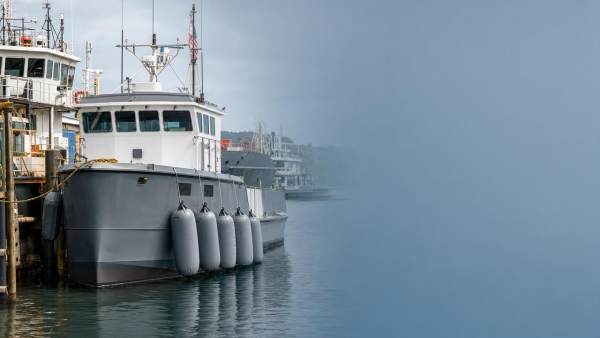
In busy marinas and tight berthing situations, many operators ask whether inflatable boat fenders offer a safer, more practical buffer than traditional options. For users managing frequent docking, changing loads, and crowded dock conditions, understanding how inflatable boat fenders perform in impact absorption, handling, and storage can make a real difference in day-to-day safety and vessel protection.
When are inflatable boat fenders actually safer at crowded docks?
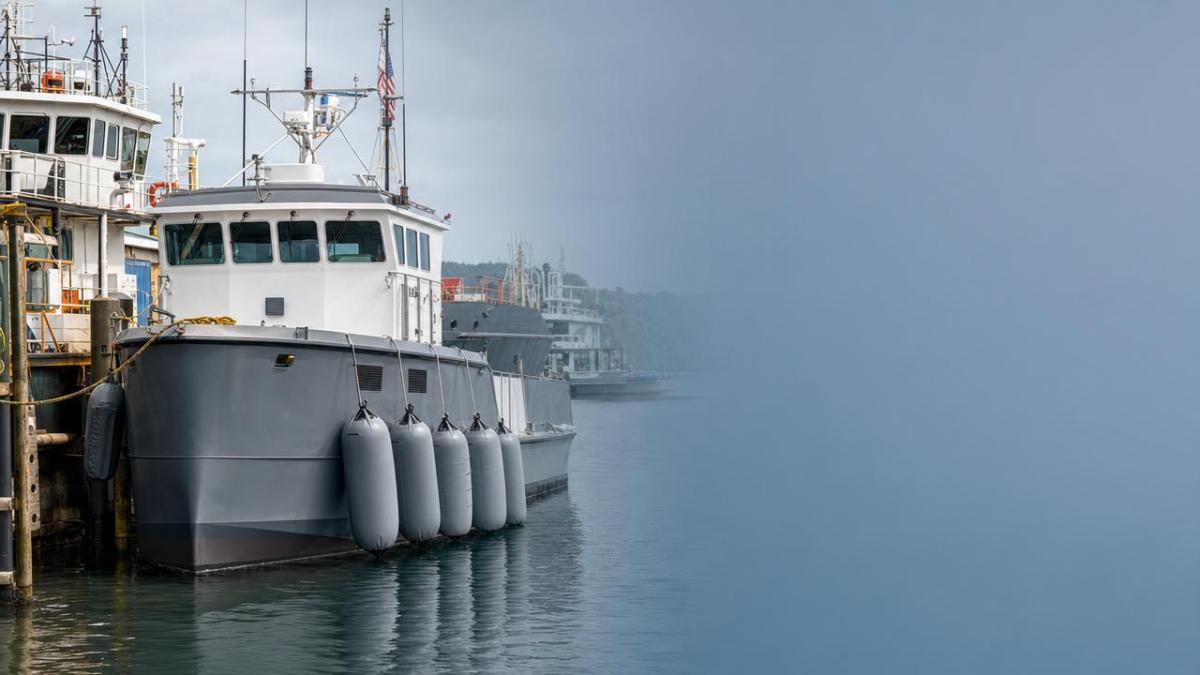
Safety at a crowded dock is not only about the fender itself. It depends on berth spacing, vessel speed, hull geometry, cleat positions, line handling, and how quickly the operator can react. Inflatable boat fenders can improve safety because they are light, compressible, and easy to reposition during active docking.
That said, safer does not mean universally better. In high-abrasion environments, poor-quality inflatable units may puncture, roll out of place, or lose pressure. Operators should judge them by dock density, contact frequency, and the consequences of side impact rather than by convenience alone.
What makes crowded docking risky?
- Limited maneuvering room increases the chance of low-speed but repeated hull-to-dock or hull-to-hull contact.
- Crosswinds and tidal movement can swing the vessel sideways, forcing the fender to absorb uneven loads.
- Operators often need to deploy or adjust fenders quickly, sometimes with one hand while managing lines.
- Commercial and mixed-use docks may have rough pilings, metal edges, or protrusions that stress the fender skin.
For aquaculture service boats, fishery support craft, and utility vessels serving primary industries, these risks become more operationally important. Vessels often dock many times per day with changing payloads, making quick deployment and reliable energy absorption more valuable than appearance or brand familiarity.
Inflatable boat fenders vs traditional fenders: which performs better in real use?
The comparison below helps operators assess whether inflatable boat fenders are the safer fit for everyday berthing, temporary mooring, and vessel transfer work. The best choice depends on contact type, storage constraints, and how often fenders must be moved between positions.
In practical terms, inflatable boat fenders often win where operators value rapid setup, compact storage, and flexible positioning. Traditional options remain attractive where dock surfaces are rough, contact loads are repetitive, and maintenance windows are limited.
A simple decision rule
If your vessel docks frequently at mixed marinas, floating pontoons, or service berths with relatively clean contact surfaces, inflatable boat fenders can be a safer day-to-day choice. If the berth has rusted steel edges, barnacle-heavy piles, or sharp concrete corners, material durability may outweigh portability.
Which application scenarios favor inflatable boat fenders?
Operators across fisheries, aquaculture logistics, marina support, and light industrial water transport face different docking patterns. The table below shows where inflatable boat fenders are more suitable and where caution is needed.
This scenario view matters for procurement teams supporting fleet users. A vessel serving aquaculture cages, feed barges, or primary processing jetties may benefit from inflatable boat fenders on some routes and not on others. Operational fit is more useful than a one-size-fits-all specification.
Best-fit environments
- Busy floating docks where impacts are frequent but usually low speed.
- Smaller service craft where crew need portable gear and quick deployment.
- Operations with limited deck storage or changing fendering positions.
- Temporary or seasonal berthing setups that require flexible equipment.
What technical factors should operators check before buying?
A safer fender is rarely the cheapest one on the quote sheet. Operators need to review shell material, valve quality, inflation range, seam integrity, tie-point strength, and compatibility with actual docking loads. In regulated industrial sectors, documentation and traceable supplier information also matter.
Core technical checkpoints
- Match fender diameter and length to freeboard height and expected contact zone, not just vessel length.
- Confirm the recommended inflation pressure range and whether pressure loss in temperature changes is manageable.
- Inspect valve design for easy field servicing and secure sealing under repeated use.
- Review outer layer resistance to UV, hydrocarbons, saltwater, and mild chemicals common in industrial waterfronts.
- Check rope eyes, straps, or molded connection points for load stability during sideways compression.
For buyers operating in broader primary industry supply chains, these checks align with ACC’s editorial approach to technical validation. Whether the asset is a docking accessory, a processing component, or aquaculture equipment, the same discipline applies: verify materials, review operating conditions, and ask for documentation that supports field performance.
Signs of a weak procurement decision
- Choosing by vessel length alone without considering berth geometry or docking frequency.
- Ignoring abrasion risk because the marina looks calm during the sales visit.
- Assuming all inflatable boat fenders use comparable materials and seam construction.
- Ordering without clarifying spare valves, patch kits, or replacement lead time.
How do cost, maintenance, and alternatives compare?
Purchase price is only part of the operating equation. Inflatable boat fenders may reduce storage burden and improve handling, but they require routine inspection. The right comparison should include service life, damage risk, downtime, and replacement speed.
For many operators, the real advantage appears when docking patterns are frequent and storage is limited. If the environment is abrasive, a hybrid strategy may work better: inflatable boat fenders for mobile deployment and more rugged fixed protection at the highest-risk contact points.
What standards and documentation should serious buyers ask for?
Not every marine accessory requires the same certification pathway, but disciplined procurement still demands traceability. For operators in industrial and primary processing supply chains, supplier transparency often matters as much as the product itself.
Useful documentation requests
- Material specifications for outer shell and internal air retention components.
- Recommended operating pressure, temperature range, and storage guidance.
- Basic inspection procedure for seams, valves, tie points, and wear surfaces.
- Supply chain information on manufacturing origin, batch traceability, and spare support.
- Any relevant test references or internal quality checks provided by the supplier.
ACC’s value in this broader industrial context is the ability to frame product decisions within technical scrutiny and supply transparency. The same procurement discipline used for aquaculture systems, feed processing equipment, or chemical supply contracts can help buyers avoid weak marine accessory purchases that create avoidable operating risk.
FAQ: common operator questions about inflatable boat fenders
Are inflatable boat fenders suitable for daily commercial use?
They can be, especially for light workboats, marina service vessels, and aquaculture support craft. The key is matching the material and reinforcement level to the docking surface. Daily use is realistic when crews inspect pressure, keep repair supplies onboard, and avoid repeated scraping against sharp structures.
Do inflatable boat fenders protect better than solid fenders?
Not in every case. They often provide excellent cushioning in low-speed contact and are easier to position correctly. However, solid or foam alternatives may hold an advantage where the main threat is abrasion, crushing at fixed rough quays, or neglect of maintenance.
What size should operators choose?
Size should be based on hull height at contact, expected docking angle, and the gap needed to keep rails, rubbing strakes, or fittings off the dock. A supplier should be able to discuss freeboard, vessel displacement, and berth type rather than giving a generic size by boat length only.
How often should they be inspected?
For frequent docking operations, a quick visual check before use is sensible, with more structured inspections at planned intervals. Crews should look for pressure loss, valve looseness, seam stress, surface cuts, and contamination from oil or chemicals that may degrade material performance.
Why many operators turn to expert sourcing support before purchasing
Choosing inflatable boat fenders sounds simple until operating conditions become specific. Crowded leisure berths, aquaculture service docks, and industrial quays can all produce very different load profiles. Buyers often need help narrowing down material grade, deployment method, maintenance expectations, and supplier reliability.
AgriChem Chronicle supports this decision process through a technically grounded editorial lens shaped by complex, regulation-sensitive industries. Our audience already understands that equipment selection is not only a product question. It is a risk, continuity, and documentation question across the wider supply chain.
Why choose us
If you are evaluating inflatable boat fenders for crowded docks, ACC can help you move beyond generic catalog claims. We can support discussions around application matching, parameter confirmation, likely wear points, supplier documentation quality, and the trade-off between portability and abrasion resistance.
You can contact us to clarify practical selection issues such as recommended size range for your berth profile, material suitability for aquaculture or industrial waterfront exposure, expected delivery windows, sample or documentation review, replacement planning, and quotation comparisons. For operators and procurement teams alike, that means fewer assumptions and a more defensible purchase decision.
Related Intelligence
- Commercial FishingWhat Should You Check in a Fishery Equipment Maintenance Contract?What should I look for in a fishery equipment maintenance contract? Explore coverage, response times, costs, records, safety, and biosecurity essentials.
- Commercial FishingDo commercial fishing vessels with hybrid diesel-electric propulsion reduce fuel cost per kg landed by more than 12%?Commercial fishing vessels with hybrid diesel-electric propulsion *can* cut fuel cost per kg landed by >12%—but only under precise operational and infrastructure conditions. Discover the real ROI.
- Commercial FishingHow to Choose Oyster Processing Equipment for Capacity, Hygiene, and Labor EfficiencyOyster processing equipment guide: compare capacity, hygienic design, and labor efficiency to build a reliable, scalable line and make smarter buying decisions.
The Morning Broadsheet
Daily chemical briefings, market shifts, and peer-reviewed summaries delivered to your terminal.
