

The Authority in Global Agricultural Chemistry & Bio-Resources
Common mistakes when buying sonar fish finders commercial
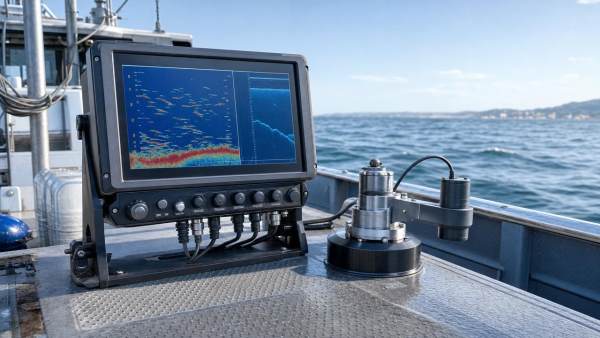
For business evaluators, investing in sonar fish finders commercial systems can become expensive when marketing claims outrun operational reality. Many buying errors start before vendor comparison, during requirement framing and site-condition review.
In commercial aquaculture, coastal fishing, and industrial survey work, sonar performance depends on vessel type, water depth, target species, data output, and compliance demands. A poor fit often creates hidden downtime, weak catch efficiency, and integration costs.
This guide explains the most common mistakes when buying sonar fish finders commercial equipment. It focuses on practical scenarios, technical checks, and decision criteria that support stronger long-term value.
Why operating scenario should be defined before comparing sonar fish finders commercial options
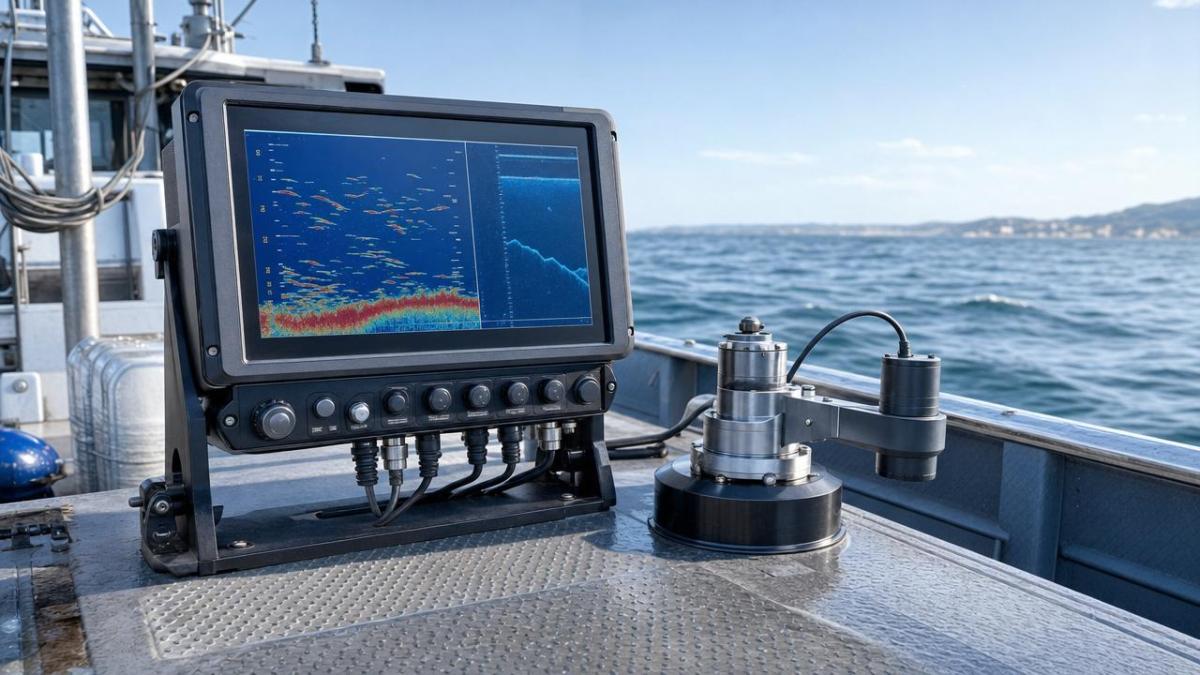
The first mistake is treating all commercial sonar systems as interchangeable. They are not. A fish-farming reservoir, offshore trawler, and inland survey boat require different transducer behavior, screen visibility, and mapping functions.
Some buyers start with price bands or display size. That usually leads to poor specification alignment. The better starting point is the real operating scenario, including water clarity, salinity, bottom composition, vessel speed, and reporting needs.
Commercial fishery technology buying should also consider surrounding systems. GPS, chartplotters, engine power, networking ports, and software export formats often determine whether sonar fish finders commercial units deliver measurable field benefits.
Scenario signals that change the right equipment choice
- Shallow ponds need detail separation more than extreme depth range.
- Offshore operations need strong penetration, noise control, and weather-tolerant displays.
- High-speed vessels need stable readings while moving.
- Compliance-heavy operations need traceable data and support documentation.
Typical application scenarios where buying mistakes happen most often
Aquaculture ponds and managed inland waters
In aquaculture, one common mistake is buying offshore-grade power without checking shallow-water resolution. Pond managers often need accurate readings near the bottom, around feed zones, nets, and aeration structures.
Another error is ignoring interference. Pumps, aerators, and nearby electronics can distort readings. For this scenario, sonar fish finders commercial systems should be judged on clutter rejection, target separation, and installation stability.
Coastal fishing fleets and nearshore vessels
Nearshore fleets often buy based on advertised depth only. That misses the real challenge: changing bottom contours, traffic density, variable salinity, and multi-species target behavior. Nearshore work demands balanced sonar adaptability.
A second mistake is underestimating mounting conditions. Hull design, vibration, and transducer placement strongly affect signal quality. Even high-end sonar fish finders commercial units can underperform after poor installation planning.
Offshore and deep-water commercial fishing
In deep-water operations, buyers often focus on nominal wattage alone. Power matters, but so do frequency range, beam angle, bottom lock reliability, and signal processing under rough sea conditions.
Another oversight is serviceability. Offshore downtime is expensive. Spare-part availability, firmware support, and diagnostic access should be part of any evaluation of sonar fish finders commercial platforms.
Multi-purpose workboats and survey-linked operations
Some vessels alternate between fish detection, bottom scanning, route confirmation, and environmental review. In these mixed-use cases, single-purpose sonar may create data gaps and workflow inefficiency.
A frequent mistake is skipping export and integration checks. If data must move into GIS tools, catch logs, or maintenance systems, interface compatibility becomes as important as sonar image quality.
How scenario-specific requirements differ across sonar fish finders commercial deployments
The same commercial sonar specification rarely works equally well in every setting. The table below shows how demand changes by application context.
Practical selection advice for sonar fish finders commercial systems
A strong decision process should convert operating needs into measurable checks. This reduces the risk of paying for unused functions or missing a critical capability.
Use a technical shortlist before requesting final quotations
- Define water depth range, vessel speed, and target species behavior.
- Confirm display readability in sun, rain, and vibration-heavy conditions.
- Check transducer type, beam angle, and mounting compatibility.
- Review network ports, software updates, and export formats.
- Request proof of field performance in similar applications.
Assess lifecycle cost, not just purchase cost
Many buyers compare hardware prices and stop there. Real cost includes installation, calibration, training, software licenses, service intervals, and replacement availability. This matters greatly for sonar fish finders commercial ownership value.
Power consumption and maintenance access also deserve attention. In harsh environments, protective housings, connector quality, and anti-corrosion design may produce better returns than feature-heavy but fragile models.
Common misjudgments and overlooked issues in commercial sonar buying
Mistaking screen size for detection quality
Large displays improve viewing comfort, but they do not fix weak acoustic performance. The core of sonar fish finders commercial effectiveness remains signal clarity, transducer matching, and algorithm quality.
Ignoring environmental and regulatory factors
Commercial marine technology can involve environmental operating limits, vessel equipment rules, and import documentation. In some regions, data logging, emissions context, or electrical compliance can affect deployment approval.
When evaluating sonar fish finders commercial suppliers, ask for documented conformity, warranty terms, and support structure. This is especially relevant where fleet standardization and international sourcing are involved.
Overlooking operator learning curves
Even capable sonar can fail operationally if menus, alarms, and interpretation tools are confusing. Interface design affects daily efficiency. Training materials and onboard setup support should be reviewed before purchase approval.
Assuming all vendor performance claims are directly comparable
Manufacturers may report power, range, and target detection using different conditions. Side-by-side comparison without test context can distort decisions. Ask whether claims were measured in freshwater, saltwater, static, or moving conditions.
Next-step actions before committing to a sonar fish finders commercial supplier
Before final selection, prepare a scenario checklist and rank requirements by operational impact. Separate essential functions from optional enhancements. This keeps the buying process disciplined and less vulnerable to sales-led distraction.
- Request a configuration proposal tied to actual water and vessel conditions.
- Verify installation drawings and transducer placement recommendations.
- Ask for references in comparable commercial fishery or aquaculture environments.
- Review service response time and firmware update policy.
- Confirm total ownership cost over multiple operating seasons.
The best sonar fish finders commercial decision is rarely the one with the longest feature list. It is the one matched to the right scenario, verified by practical evidence, and supported by reliable integration and after-sales capability.
When these checks are built into evaluation, commercial sonar buying becomes less speculative and more strategic. That improves operational confidence, data usefulness, and long-term equipment value across demanding fishery technology environments.
Related Intelligence
- Commercial FishingWhat Should You Check in a Fishery Equipment Maintenance Contract?What should I look for in a fishery equipment maintenance contract? Explore coverage, response times, costs, records, safety, and biosecurity essentials.
- Commercial FishingDo commercial fishing vessels with hybrid diesel-electric propulsion reduce fuel cost per kg landed by more than 12%?Commercial fishing vessels with hybrid diesel-electric propulsion *can* cut fuel cost per kg landed by >12%—but only under precise operational and infrastructure conditions. Discover the real ROI.
- Commercial FishingHow to Choose Oyster Processing Equipment for Capacity, Hygiene, and Labor EfficiencyOyster processing equipment guide: compare capacity, hygienic design, and labor efficiency to build a reliable, scalable line and make smarter buying decisions.
The Morning Broadsheet
Daily chemical briefings, market shifts, and peer-reviewed summaries delivered to your terminal.
