

The Authority in Global Agricultural Chemistry & Bio-Resources
Are GPS chartplotters for fishing boats worth the upgrade?
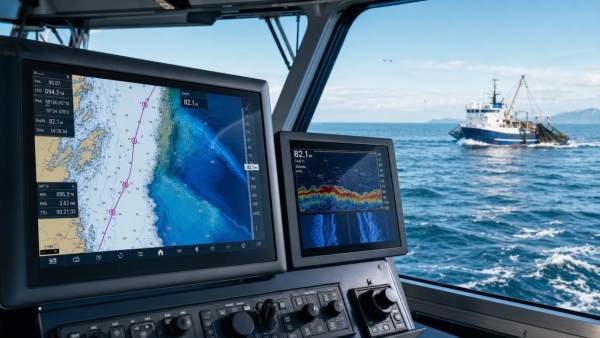
For commercial operators and fleet buyers, deciding whether gps chartplotters for fishing boats are worth the upgrade goes beyond convenience. It affects navigation accuracy, catch efficiency, fuel use, regulatory compliance, and long-term operating costs. As marine technology advances, understanding the return on investment behind modern chartplotter systems is essential for making informed procurement decisions.
Why gps chartplotters for fishing boats are moving from optional to operationally critical
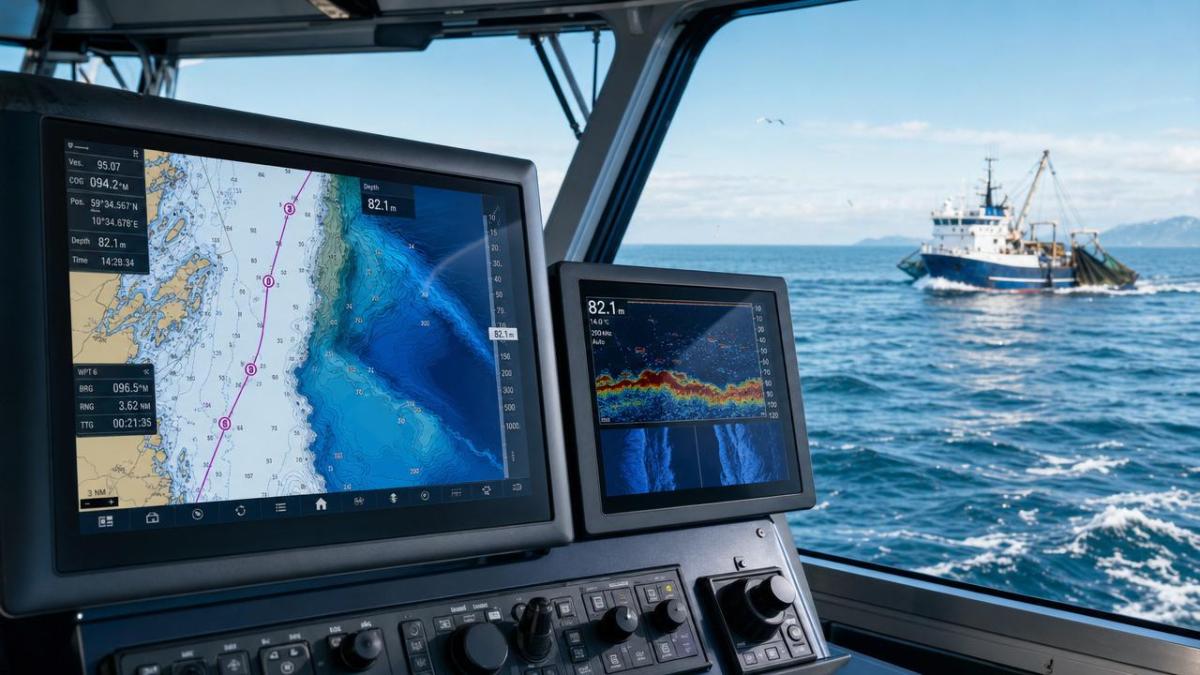
Across aquaculture and fishery tech, navigation electronics are no longer judged only by display quality. They are assessed by how well they support measurable operational outcomes.
That shift explains the growing interest in gps chartplotters for fishing boats. Modern systems combine charting, positioning, sonar integration, route planning, and data logging in one decision layer.
Older standalone GPS units still provide location. However, they often lack the mapping depth, sensor compatibility, and workflow efficiency needed in increasingly data-driven marine operations.
In rough weather, crowded waters, or regulated fishing zones, delays in interpretation can become expensive. Better visualization and alerts can reduce those decision gaps.
This is why the question is not simply whether gps chartplotters for fishing boats are useful. It is whether staying with older equipment creates hidden costs.
The strongest market signals point toward integrated marine navigation upgrades
Several industry signals show why chartplotter upgrades are gaining momentum in both inshore and offshore fishing operations.
- Digital charts are updated more frequently than paper-based navigation references.
- Fuel costs continue to pressure route efficiency and trip planning accuracy.
- Multi-function displays now connect with sonar, radar, AIS, and engine data.
- Compliance expectations are rising around location records and safe operating practices.
- Labor constraints increase the value of simpler, faster onboard decision support.
These changes matter because gps chartplotters for fishing boats increasingly sit at the intersection of navigation, catch planning, and risk management.
In broader primary industries, digital equipment adoption often starts when one device begins replacing multiple manual tasks. Marine electronics are following that same pattern.
What is driving the upgrade case for gps chartplotters for fishing boats
The upgrade case becomes clearer when the main drivers are compared side by side.
For many vessels, the strongest reason to upgrade is not one feature. It is the combined effect of several smaller gains accumulating across each trip.
Where the return on investment becomes visible in daily fishing operations
The value of gps chartplotters for fishing boats appears most clearly in repeated operating cycles. Daily routines become more structured, more predictable, and less dependent on memory alone.
Transit and route control
Preloaded routes, hazard overlays, and accurate speed-over-ground data support safer departures and faster transits. That matters when timing affects weather windows and landing schedules.
Fishing ground revisits
Reliable waypoint management helps vessels return to productive areas with less trial and error. Over a season, this can improve consistency more than headline specifications suggest.
Reduced cognitive load
Integrated displays reduce the need to interpret fragmented inputs from separate devices. This can support better judgment under pressure, especially during poor visibility or changing tides.
Post-trip review
Trip tracks and saved data support performance review. Patterns in route choice, search time, and productive zones become easier to compare across voyages.
When these functions work together, gps chartplotters for fishing boats become part of an operational improvement system rather than a single hardware purchase.
Not every vessel benefits equally, and that shapes the upgrade decision
The upgrade is usually most valuable where routes are variable, fishing grounds are frequently revisited, or environmental and regulatory complexity is high.
- Small nearshore boats may gain from simpler navigation and waypoint accuracy.
- Multi-day offshore vessels often gain more from integration and route planning.
- Aquaculture support boats benefit from repeatable movement around fixed sites.
- Mixed-use fleets may need standardized interfaces across different hull types.
By contrast, a vessel operating short, familiar runs in low-complexity waters may see a slower payback period. In that case, system durability and update support matter more than advanced features.
So, are gps chartplotters for fishing boats worth the upgrade? The answer depends on trip frequency, fuel spend, navigation risk, and how often data can be reused.
The most important evaluation points before selecting gps chartplotters for fishing boats
A useful evaluation framework should focus on operational fit, not just screen size or brand familiarity.
Check integration compatibility
Confirm compatibility with sonar, radar, AIS, autopilot, engine gateways, and chart formats already in use or planned for future installation.
Assess chart update pathways
Frequent chart updates can influence safety and route confidence. Evaluate subscription models, region coverage, and offline usability before committing.
Review display readability
Sunlight visibility, glove-friendly controls, and wet-environment usability affect real-world performance more than showroom impressions do.
Examine data handling
Look at waypoint limits, export options, backup methods, and trip history access. Data portability supports long-term fleet learning.
Estimate full lifecycle cost
Include installation, transducer pairing, software updates, mounting changes, training time, and replacement planning. Hardware price alone can mislead decisions.
How to judge whether the upgrade should happen now, later, or in phases
A phased decision model often works best when budgets, vessel variety, or existing electronics differ across operations.
This approach reduces replacement risk while showing whether gps chartplotters for fishing boats deliver measurable improvements under actual operating conditions.
What should be monitored after installation to confirm value
After deployment, value should be tracked with clear indicators rather than general impressions.
- Average transit time to fishing grounds
- Fuel used per trip or per productive hour
- Time spent searching versus actively fishing
- Number of route deviations or navigation near-misses
- Use rate of saved tracks, waypoints, and chart overlays
Monitoring these indicators helps determine whether gps chartplotters for fishing boats are creating practical value or simply adding electronics complexity.
The upgrade is usually worth it when it supports repeatable decisions, not just better screens
In most professional settings, modern gps chartplotters for fishing boats are worth the upgrade when they reduce search time, improve route confidence, and connect navigation with operational data.
The strongest cases come from environments where fuel, safety, compliance, and fishing productivity all matter at once. There, integrated chartplotters deliver value beyond convenience.
The next step is practical. Compare current trip inefficiencies, identify missing onboard integrations, and test upgrade scenarios against measurable operating metrics before making a final decision.
For organizations following marine technology trends through AgriChem Chronicle, this equipment category deserves close attention because it reflects a wider shift toward connected, evidence-based operations across primary industries.
Related Intelligence
- Commercial FishingWhat Should You Check in a Fishery Equipment Maintenance Contract?What should I look for in a fishery equipment maintenance contract? Explore coverage, response times, costs, records, safety, and biosecurity essentials.
- Commercial FishingDo commercial fishing vessels with hybrid diesel-electric propulsion reduce fuel cost per kg landed by more than 12%?Commercial fishing vessels with hybrid diesel-electric propulsion *can* cut fuel cost per kg landed by >12%—but only under precise operational and infrastructure conditions. Discover the real ROI.
- Commercial FishingHow to Choose Oyster Processing Equipment for Capacity, Hygiene, and Labor EfficiencyOyster processing equipment guide: compare capacity, hygienic design, and labor efficiency to build a reliable, scalable line and make smarter buying decisions.
The Morning Broadsheet
Daily chemical briefings, market shifts, and peer-reviewed summaries delivered to your terminal.
