

The Authority in Global Agricultural Chemistry & Bio-Resources
How marine VHF radios wholesale pricing really works
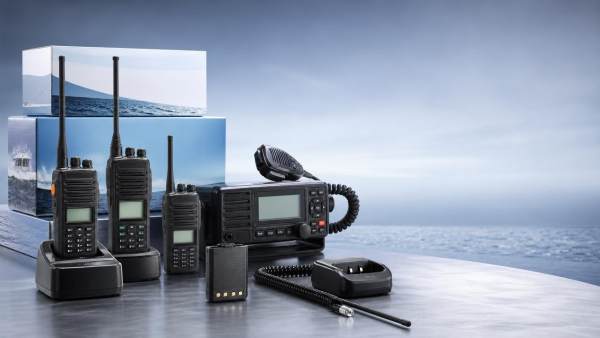
Understanding marine vhf radios wholesale pricing starts with a simple fact: unit price rarely tells the whole story.
In commercial navigation, fisheries, patrol fleets, ports, and service vessels, radio reliability is a safety issue, not only a purchasing line item.
That is why marine vhf radios wholesale quotes often vary sharply, even when two products look similar on paper.
Certification scope, waterproof construction, DSC capability, battery quality, antenna compatibility, packaging terms, and warranty structure all affect the final offer.
For industrial buyers and technical sourcing teams, the goal is not the lowest visible quote.
The goal is cost clarity, compliance confidence, and lifecycle value across the entire deployment.
The basic structure of marine VHF radios wholesale pricing
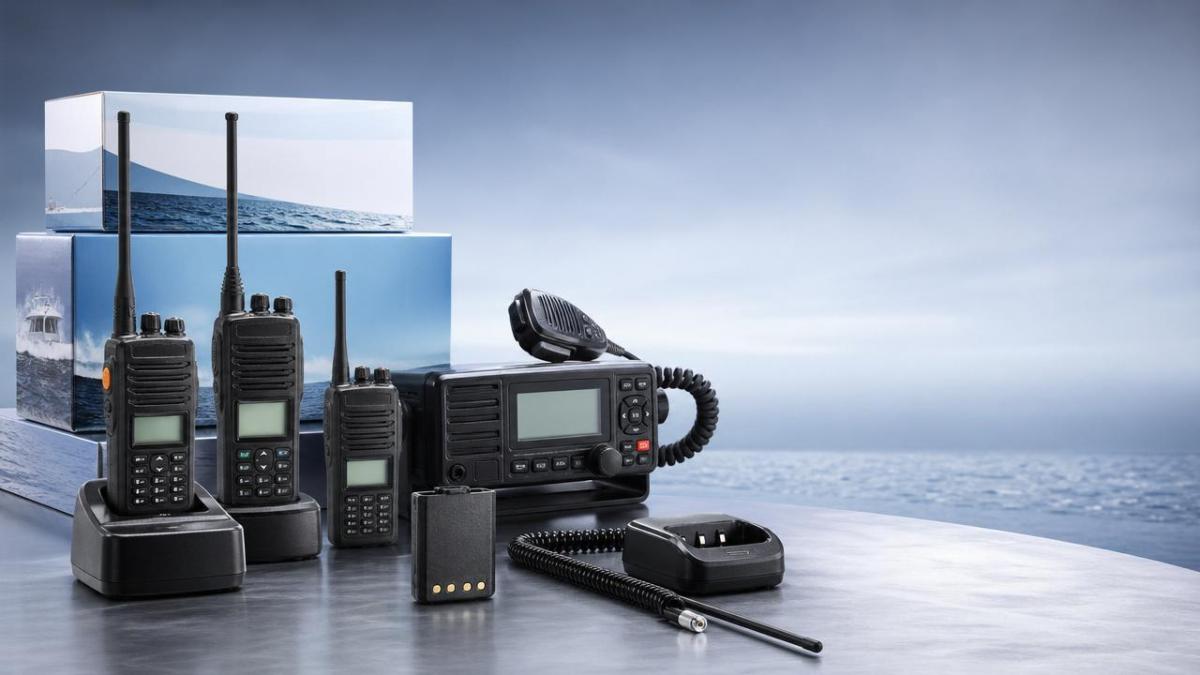
Marine vhf radios wholesale pricing is usually built from a layered cost model rather than a single manufacturing number.
The visible quote commonly includes hardware, assembly, testing, packaging, export handling, and a supplier margin.
However, hidden or conditional items often appear later during specification review or order confirmation.
These may include certification copies, custom labeling, regional frequency programming, accessory bundles, inspection requirements, and spare battery sets.
Handheld models and fixed-mount units also follow different pricing logic.
Fixed units may require external microphones, mounting hardware, GPS interface support, or DSC integration readiness.
Handheld radios may look cheaper initially, yet premium battery chemistry and float-and-flash safety features can raise total cost quickly.
Core quote elements
- Radio body and internal RF components
- Waterproof casing and sealing grade
- Battery, charger, adapter, or power cable
- Certification and compliance documentation
- Branding, manuals, labels, and packaging
- Inspection, warranty, and replacement terms
Why similar marine VHF radios wholesale offers can differ widely
Two marine vhf radios wholesale offers may show the same wattage and channel count, yet deliver very different real-world value.
The reason lies in specification depth and manufacturing consistency.
Some suppliers quote against a minimal baseline model.
Others include higher-grade chips, stricter waterproof testing, and more complete accessories.
In regulated environments, the difference between a test report and a valid market certification matters greatly.
A lower quote may exclude approvals needed for target jurisdictions.
Key market signals shaping wholesale evaluation
The wider marine communications market is changing in ways that directly influence marine vhf radios wholesale strategy.
Buyers increasingly weigh compliance traceability and supplier resilience alongside price.
This shift reflects tighter maritime rules, more demanding end users, and greater sensitivity to downtime.
- Demand for IPX7 or higher waterproof protection remains strong.
- DSC-enabled units attract more attention in professional fleets.
- Documentation quality increasingly affects import acceptance.
- Battery safety and cycle life are under closer scrutiny.
- Smaller first orders are common before annual framework agreements.
For sectors linked to aquaculture, fishery technology, and primary marine operations, reliability under wet, corrosive, and high-use conditions is especially important.
In these settings, a lower-cost radio that fails early becomes more expensive than a better-built alternative.
The practical business value behind marine VHF radios wholesale decisions
The real value of marine vhf radios wholesale sourcing appears after deployment, not only at invoice approval.
Reliable radios support safer coordination, clearer emergency response, and more stable vessel operations.
They also reduce the hidden costs tied to replacements, troubleshooting, and inconsistent communication coverage.
Wholesale selection therefore affects operations, maintenance planning, and brand accountability throughout the supply chain.
Where better quotes create stronger value
- Lower defect rates during initial rollout
- Fewer battery-related failures at sea
- Improved support for regulated maritime use
- Simpler spare-part planning across fleets
- Less disruption from documentation gaps
This is especially relevant in integrated industrial environments where procurement decisions must stand up to technical review and compliance checks.
Typical sourcing scenarios and pricing patterns
Marine vhf radios wholesale pricing changes according to use case, order structure, and risk tolerance.
The same supplier may quote very differently for resale channels, project supply, and fleet standardization programs.
These patterns show why comparing quotes without a use-case map often leads to misleading conclusions.
What to verify before accepting a wholesale quote
A sound marine vhf radios wholesale review should test both technical fit and commercial transparency.
Short checklists help reveal whether a low offer is truly competitive or simply incomplete.
- Confirm valid certifications for the destination market.
- Check whether quoted waterproof ratings are test-backed.
- Verify battery type, capacity, and replacement availability.
- Review included accessories and packaging details.
- Ask about defect handling, spare units, and warranty process.
- Clarify lead time under repeat-order conditions.
- Request consistent specification sheets across all quoted models.
It is also useful to compare landed cost, not only ex-works pricing.
Freight, customs delays, repacking, and replacement handling can erase an apparent discount quickly.
A disciplined next step for stronger quote comparison
The best way to evaluate marine vhf radios wholesale offers is to standardize the comparison process.
Use one technical requirement sheet, one compliance checklist, and one landed-cost template for every supplier reviewed.
That method makes quote differences easier to explain and reduces the chance of hidden risk.
When marine vhf radios wholesale sourcing is handled with specification discipline, pricing becomes clearer, negotiations become more productive, and final selection becomes far more defensible.
A well-structured request for quotation, supported by certification review and sample validation, is usually the most practical next move.
Related Intelligence
- Commercial FishingWhat Should You Check in a Fishery Equipment Maintenance Contract?What should I look for in a fishery equipment maintenance contract? Explore coverage, response times, costs, records, safety, and biosecurity essentials.
- Commercial FishingDo commercial fishing vessels with hybrid diesel-electric propulsion reduce fuel cost per kg landed by more than 12%?Commercial fishing vessels with hybrid diesel-electric propulsion *can* cut fuel cost per kg landed by >12%—but only under precise operational and infrastructure conditions. Discover the real ROI.
- Commercial FishingHow to Choose Oyster Processing Equipment for Capacity, Hygiene, and Labor EfficiencyOyster processing equipment guide: compare capacity, hygienic design, and labor efficiency to build a reliable, scalable line and make smarter buying decisions.
The Morning Broadsheet
Daily chemical briefings, market shifts, and peer-reviewed summaries delivered to your terminal.
