

The Authority in Global Agricultural Chemistry & Bio-Resources
What matters most when choosing underwater fishing cameras?
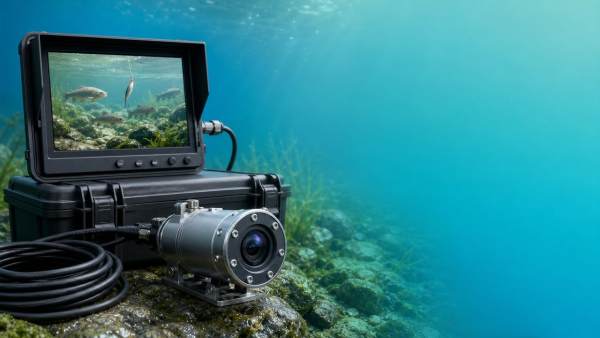
Choosing underwater fishing cameras is about more than price or screen size. For anglers seeking clearer visibility, better fish detection, and dependable performance, the right system matters. Water clarity, depth, temperature, and mobility all affect results. This guide explains what matters most when comparing underwater fishing cameras, so you can judge image quality, durability, lighting, battery life, and practical usability with confidence.
What are underwater fishing cameras actually designed to do?
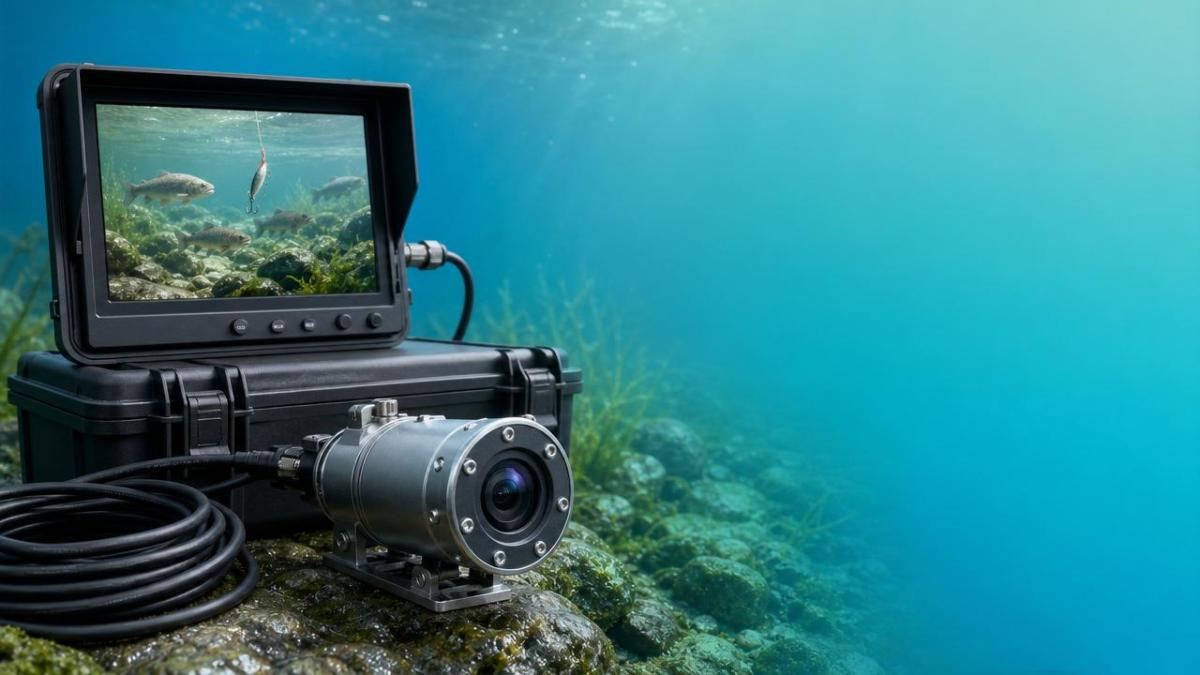
Underwater fishing cameras are observation tools that help reveal fish location, bottom structure, vegetation, and lure behavior below the surface.
They do not replace sonar completely. Instead, they add visual confirmation that sonar alone cannot provide in many conditions.
This visual layer is useful when identifying species, checking fish response, or understanding whether fish are feeding, following, or ignoring bait.
In ice fishing, dock inspection, shallow freshwater lakes, and some controlled aquaculture settings, underwater fishing cameras can deliver valuable situational awareness.
Their best use is not constant filming. Their best use is targeted inspection before changing depth, bait, technique, or location.
When are they most effective?
- Clear to moderately stained water
- Shallow or mid-depth fishing zones
- Ice fishing with stable camera positioning
- Structure scouting near weeds, rocks, or drop-offs
- Bait presentation analysis in real time
In muddy water, heavy current, or extreme depth, even premium underwater fishing cameras can lose practical visibility.
How important are image quality and low-light performance?
Image quality is one of the most important factors because underwater environments quickly reduce sharpness, contrast, and color accuracy.
Many buyers focus only on advertised resolution. That can be misleading because sensor quality often matters more than the resolution number alone.
A well-tuned sensor with balanced exposure can outperform a higher-resolution unit with poor low-light sensitivity or weak color handling.
Key image features to compare
- Sensor sensitivity in dim water
- Lens angle and distortion control
- Color correction and white balance
- Anti-glare screen visibility outdoors
- Stable image processing during movement
Look for realistic performance in green water, shadowed bottoms, and overcast weather. Marketing footage from crystal-clear water can distort expectations.
Infrared or LED lighting also affects usability. Good lighting should reveal fish without overwhelming the frame with backscatter from suspended particles.
For many users, the best underwater fishing cameras are not the brightest. They are the most balanced in difficult, changing conditions.
Which durability and cable features matter most in real fishing conditions?
Durability matters because underwater equipment faces cold, impact, moisture, abrasion, and repeated transport in rough environments.
The camera housing should resist leaks, pressure stress, and accidental knocks against rocks, ice edges, docks, or boat hardware.
Cable strength is equally important. A weak cable can twist, kink, or fail long before the camera body shows damage.
Practical durability checkpoints
- Check depth rating against actual fishing depth.
- Confirm cable length and tensile strength.
- Review connector sealing and corrosion resistance.
- Assess cold-weather battery and cable flexibility.
- Look for impact-resistant housing materials.
A camera that works in a test bucket may fail during winter deployment if the cable stiffens or the screen fogs.
In fishery technology and field inspection contexts, equipment reliability often matters more than extra display features.
How do battery life, portability, and screen design affect usability?
Usability decides whether underwater fishing cameras become trusted tools or stay unused in storage after a few trips.
Battery life should match your fishing pattern, not just ideal lab conditions. Cold weather, screen brightness, and lighting all reduce runtime.
A compact unit is easier to carry, but too small a screen can make fish movement or bottom details difficult to interpret.
Balance these usability factors
- Actual runtime with lights on
- Charging speed and power bank compatibility
- Screen brightness in direct sunlight
- Menu simplicity with gloves or wet hands
- Carrying case and deployment speed
If setup takes too long, the system becomes less useful during short feeding windows or mobile search patterns.
For field professionals and serious recreational users alike, practical handling often separates effective underwater fishing cameras from disappointing purchases.
What common buying mistakes should you avoid?
A frequent mistake is buying by resolution alone. Crisp marketing labels do not guarantee better underwater performance.
Another mistake is ignoring water conditions. A camera suited to clear lakes may struggle badly in silty reservoirs or tidal areas.
Some buyers also overestimate lighting power. Excessive LEDs can reduce visibility by reflecting off suspended matter.
Cable management is often underestimated. Tangling, spinning, and unstable orientation can make even high-end underwater fishing cameras frustrating to use.
Red flags before purchase
- No clear depth rating or water resistance details
- Unverified battery claims
- No mention of low-light capability
- Weak screen visibility outdoors
- Limited information on cable durability
It is also wise to check service support, spare parts, and update policies if the system includes digital recording or smart features.
How can you compare underwater fishing cameras quickly and confidently?
A structured comparison saves time and reduces the chance of paying for features that will not improve actual fishing results.
This table helps compare underwater fishing cameras across recreational, inspection, and light commercial fishery use cases.
Quick FAQ
Are underwater fishing cameras worth it in murky water?
They can help, but performance drops fast. Low-light sensors and controlled lighting become more important than high resolution.
Do underwater fishing cameras work better than sonar?
They serve different purposes. Sonar maps presence and depth efficiently, while cameras confirm species, behavior, and lure interaction.
What screen size is best?
A medium screen often offers the best balance. Very small displays reduce detail, while very large units may limit portability.
How much should durability influence the decision?
Significantly. A rugged housing and reliable cable usually provide more long-term value than extra nonessential features.
Should recording functions matter?
Only if review, documentation, or sharing is important. For pure fish finding, live visibility matters more than storage features.
Final thoughts: what matters most when choosing underwater fishing cameras?
The best underwater fishing cameras combine clear imaging, dependable low-light performance, durable construction, manageable cables, and battery life that fits actual trips.
Focus on how the system performs in your water conditions, fishing style, and seasonal environment rather than on specifications alone.
Before buying, make a short checklist covering depth, clarity, portability, lighting control, and runtime. That simple step improves decisions dramatically.
If you are comparing underwater fishing cameras now, start with real-use scenarios first, then narrow options by image quality and durability. Better choices begin with better questions.
Related Intelligence
- Commercial FishingWhat Should You Check in a Fishery Equipment Maintenance Contract?What should I look for in a fishery equipment maintenance contract? Explore coverage, response times, costs, records, safety, and biosecurity essentials.
- Commercial FishingDo commercial fishing vessels with hybrid diesel-electric propulsion reduce fuel cost per kg landed by more than 12%?Commercial fishing vessels with hybrid diesel-electric propulsion *can* cut fuel cost per kg landed by >12%—but only under precise operational and infrastructure conditions. Discover the real ROI.
- Commercial FishingHow to Choose Oyster Processing Equipment for Capacity, Hygiene, and Labor EfficiencyOyster processing equipment guide: compare capacity, hygienic design, and labor efficiency to build a reliable, scalable line and make smarter buying decisions.
The Morning Broadsheet
Daily chemical briefings, market shifts, and peer-reviewed summaries delivered to your terminal.
