

The Authority in Global Agricultural Chemistry & Bio-Resources
How fiberglass aquaculture tanks affect water quality over time
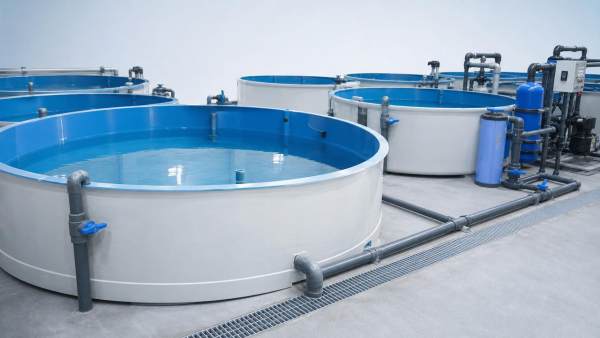
How do fiberglass aquaculture tanks influence water quality after months or years of operation? For technical evaluators, understanding long-term effects on pH stability, biofilm formation, leachables, and cleaning performance is essential. This article examines how fiberglass aquaculture tanks perform over time, helping buyers assess material reliability, compliance considerations, and operational risks before making capital decisions.
In commercial hatcheries, recirculating aquaculture systems, and land-based grow-out facilities, tank material is not a cosmetic choice. It affects cleaning intervals, disinfection compatibility, stocking stability, and the consistency of water chemistry across 12-month to 15-year operating windows.
For procurement teams and engineering reviewers, fiberglass aquaculture tanks are often shortlisted because they balance structural strength, shape flexibility, and moderate lifecycle cost. The more important question is not whether fiberglass can hold water, but how it behaves after repeated exposure to salinity, UV, disinfectants, solids loading, and microbial activity.
Why long-term water quality performance matters in fiberglass aquaculture tanks
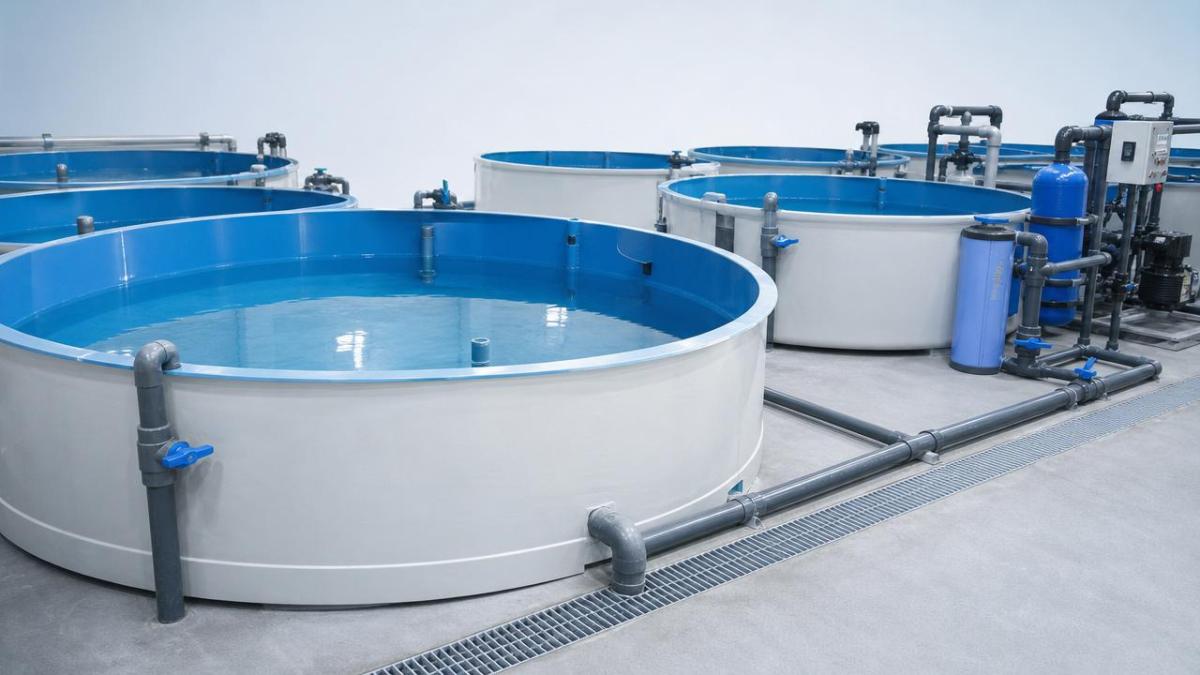
Water quality drift usually appears gradually. In the first 30 to 90 days, operators may see little difference between fiberglass aquaculture tanks and alternative materials. Over 1 to 3 years, however, surface wear, resin exposure, and cleaning damage can start changing how the tank interacts with water.
For sensitive species, even small instability matters. A pH swing of 0.2 to 0.4, repeated dissolved organic buildup, or persistent biofilm in corners can reduce feed conversion, stress juvenile stock, and increase labor for sanitation. Technical evaluators therefore need to assess both material composition and operational fit.
The four main water quality pathways
Most long-term effects from fiberglass aquaculture tanks fall into four pathways: chemical interaction, surface colonization, mechanical degradation, and sanitation response. Each pathway can influence water clarity, pH control, microbial load, and the predictability of system maintenance.
- Potential leachables from poorly cured resin, gelcoat wear, or repair materials
- Surface texture changes that increase biofilm adhesion over 6 to 24 months
- Micro-cracking or abrasion that traps fines, oils, and microbial residue
- Variable compatibility with chlorine, peroxide, iodophors, or alkaline cleaners
pH stability and inertness
Well-manufactured fiberglass aquaculture tanks are generally stable when fully cured and lined with an appropriate interior surface. In neutral to moderately alkaline systems, many facilities operate within a pH range of 6.8 to 8.2 without measurable tank-driven deviation.
Risk increases when low-grade resin systems are used or cure conditions are inconsistent. In those cases, initial water changes during the first 2 to 6 weeks may reveal odor, slight discoloration, or trace organic release. These signs do not occur in every tank, but they are procurement red flags.
Biofilm formation over time
Smooth gelcoat surfaces can limit early microbial attachment, but no aquaculture surface remains unchanged forever. Repeated brushing, sediment movement, and net impact can raise surface roughness. Once roughness increases, biofilm can establish faster, especially in warm-water systems running 22°C to 30°C.
In intensive systems, evaluators should inspect transition zones around drains, sidewall-to-floor curves, and fittings. These are the first areas where nutrient films accumulate and sanitation time extends from a 20-minute rinse to a 45-minute or 60-minute full clean cycle.
The table below outlines the most relevant long-term water quality considerations when assessing fiberglass aquaculture tanks against routine operating conditions.
The practical conclusion is straightforward: fiberglass aquaculture tanks do not affect water quality through one single mechanism. Performance depends on manufacturing quality, operating chemistry, and whether the tank geometry supports efficient solids removal and repeatable sanitation.
How fiberglass surfaces change after repeated aquaculture use
Technical buyers often focus on tank wall thickness or nominal capacity, such as 1,000 L, 5,000 L, or 20,000 L. Those metrics matter structurally, but surface behavior usually has a bigger effect on water quality after year 2 than total volume alone.
The internal finish of fiberglass aquaculture tanks may include gelcoat, food-contact resin-rich layers, or specialty barrier coatings. Over time, these layers can remain stable, soften, chalk, or become scratched depending on UV exposure, cleaning tools, and the chemistry of make-up water and disinfectants.
Surface roughness, scratches, and microbial persistence
Even minor scratches can change sanitation outcomes. A visually acceptable tank may still retain microfilms that survive routine rinse cycles. In systems cleaned 2 to 4 times per month, roughened surfaces can extend turnaround time by 15% to 30%, especially in hatchery units with tighter biosecurity demands.
This is why evaluators should request information on recommended brush hardness, pressure washing limits, and approved pad types. Aggressive abrasion can shorten the effective service life of the interior finish long before the structural shell shows obvious wear.
Leachables and material compatibility concerns
In properly fabricated tanks, significant long-term leaching is not expected under normal aquaculture conditions. However, risk is higher when tanks are repaired on-site with mismatched resin systems, exposed to solvent-heavy cleaning agents, or installed before complete post-cure stabilization.
For technical evaluation, it is useful to separate structural fiberglass from the water-contact surface. The water does not interact mainly with the glass fibers; it interacts with the resin-rich lining and topcoat. That distinction is central when reviewing supplier documentation and maintenance instructions.
Inspection points after 12 to 36 months
- Check for gloss loss, chalking, or uneven discoloration on the wetted wall.
- Inspect floor-to-wall junctions for scratches, blistering, or persistent staining.
- Review whether cleaning time per tank has increased by more than 20%.
- Test for any recurring water odor after refill and circulation restart.
- Verify whether repairs introduced rough patches or non-uniform cure zones.
These inspection steps are simple, but they give evaluators a more predictive view of water quality risk than relying only on visual appearance during factory acceptance.
Cleaning performance, disinfection, and compliance considerations
A tank that supports stable water quality on paper may still underperform if it is difficult to clean between production cycles. In commercial aquaculture, cleanability affects pathogen control, water reuse confidence, and labor planning as much as raw material chemistry does.
Fiberglass aquaculture tanks generally perform well when they feature rounded corners, smooth drain geometry, and compatible surface coatings. Problems usually emerge when facilities combine harsh chemical programs with abrasive tools or when tank design creates solids traps that require manual intervention.
Cleaner and disinfectant compatibility
Facilities commonly use diluted chlorine, hydrogen peroxide, quaternary products, iodophors, or alkaline detergents. Contact time may range from 10 minutes to 60 minutes depending on sanitation protocol. Not all fiberglass interiors tolerate every chemistry at every concentration.
For technical due diligence, ask suppliers for written compatibility guidance covering concentration range, rinse procedure, and maximum recommended exposure frequency. Inconsistent advice is a sign that the supplier has not validated long-term maintenance conditions sufficiently.
The following table can be used as a procurement-side screening tool when reviewing fiberglass aquaculture tanks for long-term water quality control.
From a compliance perspective, technical teams should also align tank selection with site-specific water discharge rules, species sensitivity, and hygiene protocol documentation. A tank with poor documentation can become a validation problem even if its base structure is acceptable.
Cleaning design features that improve long-term results
- Continuous curved transitions instead of sharp floor corners
- Bottom geometry that supports complete drainage in one rinse cycle
- Access points that allow visual inspection of 100% of wetted surfaces
- Fitting layouts that minimize dead legs and residue pockets
- Interior coatings that tolerate scheduled sanitation over 52 weeks per year
When these features are missing, water quality management becomes more dependent on labor intensity rather than material performance. That increases operating variability across shifts and sites.
Selection criteria for technical evaluators and procurement teams
Choosing fiberglass aquaculture tanks should involve more than comparing upfront quotes. In many projects, the lower bid becomes more expensive within 18 to 36 months if cleaning time rises, repair frequency increases, or water quality deviations cause stock stress.
A structured review framework can reduce this risk. The goal is to test whether the tank remains operationally neutral to water quality over its realistic service life, not only during commissioning.
Five procurement questions to ask
- What water-contact finish is used, and how is complete cure verified before shipment?
- Which cleaning agents are approved, and what concentration range is acceptable?
- What is the recommended inspection interval: monthly, quarterly, or every 6 months?
- How are field repairs handled without compromising water-contact performance?
- Can the supplier provide maintenance guidance for freshwater and saline systems separately?
Common evaluation mistakes
One common mistake is assuming all fiberglass aquaculture tanks are chemically identical. Resin family, cure quality, interior finish, and fabrication discipline can create meaningful differences in water-contact behavior. Another mistake is ignoring the interaction between tank material and the facility’s own cleaning regime.
It is also risky to evaluate tanks only under clean water conditions. A more useful approach considers suspended solids, feed oils, disinfection cycles, and thermal variation. In real facilities, tanks are rarely exposed to ideal water 365 days per year.
When fiberglass is a strong fit
Fiberglass aquaculture tanks are often a strong fit for modular hatcheries, broodstock systems, quarantine units, and customized land-based installations where diameter, depth, or drain arrangement must be adapted to process flow. They are especially attractive where corrosion resistance and long service intervals are valued.
They are less forgiving when buyers overlook finish quality or when operators rely on aggressive cleaning methods without compatibility control. In other words, fiberglass can be a durable choice, but only if material specification and maintenance discipline are aligned from day one.
Operational guidance for preserving water quality over the tank lifecycle
Once installed, the long-term performance of fiberglass aquaculture tanks depends on consistent operating practice. A simple lifecycle protocol can preserve water quality and reduce preventable degradation over 5, 10, or even 15 years.
Recommended monitoring routine
- Record pH, odor, and visual clarity after major cleaning or repair events
- Inspect interior finish every 3 months for abrasion, staining, or blistering
- Review sanitation chemical logs at least once per month
- Track cleaning time per tank as a practical indicator of surface condition
- Flush repaired or newly installed tanks before restocking sensitive species
These steps do not require advanced instrumentation, yet they create a reliable evidence base for determining whether fiberglass aquaculture tanks are remaining stable or beginning to affect water handling performance.
Decision value for technical stakeholders
For engineering, quality, and procurement teams, the value of fiberglass aquaculture tanks lies in predictable operation. A tank that preserves smooth surfaces, tolerates routine sanitation, and does not contribute unwanted residues supports lower biological risk and more dependable production planning.
If you are comparing suppliers or preparing a capex review, focus on water-contact finish quality, cleaning compatibility, drain geometry, and documented maintenance limits. To evaluate fiberglass aquaculture tanks with greater confidence, contact us to discuss technical screening criteria, request a tailored assessment framework, or explore more aquaculture system solutions aligned with long-term water quality control.
Related Intelligence
- RAS SystemsSustainable Aquaculture Practices That Cut Feed Waste and Protect Fish Farm Water QualitySustainable aquaculture for fish farms: reduce feed waste, protect water quality, and build resilient, efficient systems with practical strategies.
- RAS SystemsDrum Filter System Price: How Flow Rate, Micron Rating, and Automation Affect CostDrum filter system price depends on flow rate, micron rating, automation, materials, and lifecycle costs. Compare quotes confidently and choose the right system.
- RAS SystemsHow to Specify Large-Scale Fish Farming Equipment for High-Output RAS ProjectsLarge scale fish farming equipment guide for high-output RAS projects—specify tanks, filtration, oxygen, automation, and redundancy for reliable growth.
The Morning Broadsheet
Daily chemical briefings, market shifts, and peer-reviewed summaries delivered to your terminal.
