

The Authority in Global Agricultural Chemistry & Bio-Resources
What to check before buying hdpe fish farming cages
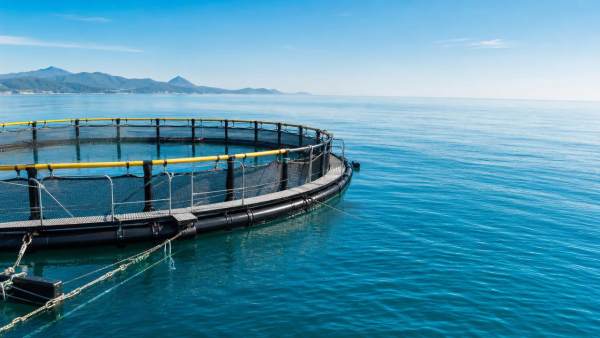
Before investing in hdpe fish farming cages, buyers should assess much more than quoted price, cage diameter, or supplier promises.
Material quality, engineering integrity, mooring design, compliance records, and lifecycle costs all influence survival rates, labor efficiency, and project risk.
Well-selected hdpe fish farming cages can support stable production in coastal, offshore, reservoir, and lake environments.
Poorly specified systems can fail under waves, deform under biomass loads, or create avoidable maintenance and regulatory problems.
This guide explains what to check before buying hdpe fish farming cages, with practical benchmarks for technical, environmental, and commercial evaluation.
Core Definition and Procurement Scope
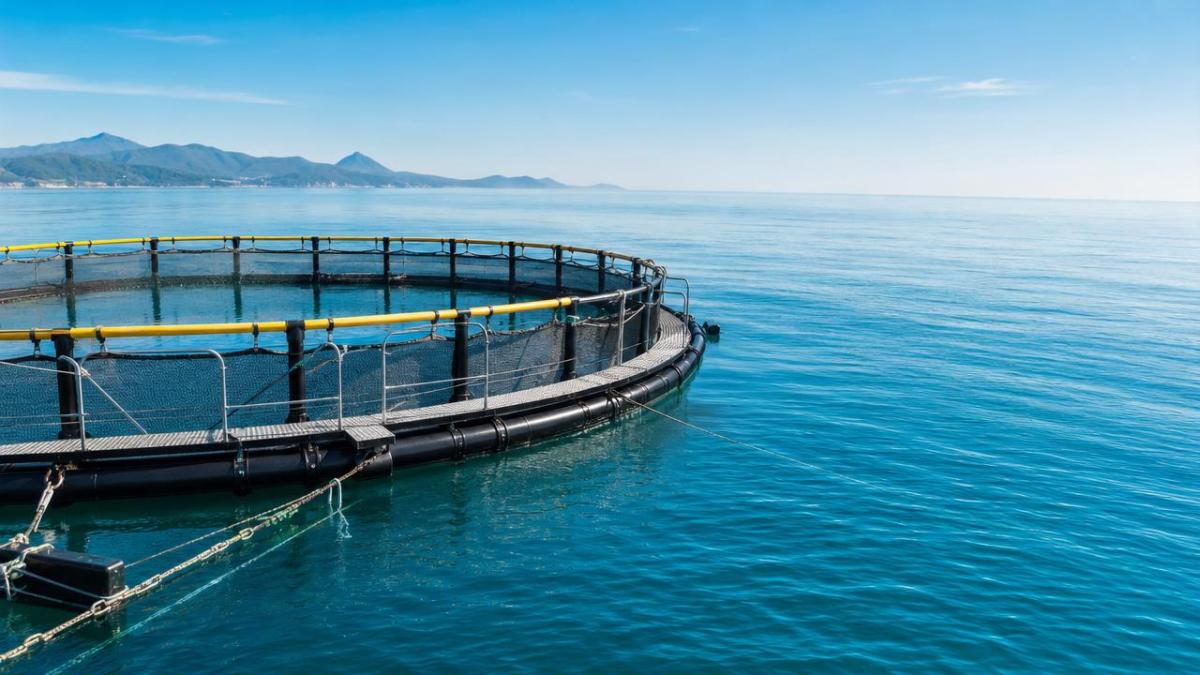
Hdpe fish farming cages are floating aquaculture structures built mainly from high-density polyethylene pipes, brackets, nets, and mooring assemblies.
They are used to contain fish stocks while allowing water exchange, feed delivery, inspection, and harvesting operations.
In commercial practice, the purchase usually includes more than the floating ring.
It may cover handrails, walkways, connectors, sinker tubes, predator nets, bird protection, feeding interfaces, and anchoring components.
Because performance depends on the whole system, hdpe fish farming cages should be reviewed as an engineered package, not as isolated parts.
This is especially important where currents, salinity, biofouling pressure, and stocking densities vary by site.
What the specification should clearly state
- Pipe outer diameter, wall thickness, and SDR rating
- Virgin HDPE grade, resin source, and UV stabilization
- Cage shape, effective volume, and loading capacity
- Net material, mesh size, knot type, and treatment method
- Mooring layout, anchor type, and environmental design limits
- Assembly method, spare parts list, and maintenance intervals
Industry Checks Driving Current Buying Decisions
The market for hdpe fish farming cages is becoming more technical because farming sites are moving into harsher waters and stricter regulated zones.
At the same time, operators need predictable uptime, traceable materials, and lower total operating costs.
Several signals now shape the evaluation process.
These checks are relevant across the wider primary industries sector because aquaculture assets must deliver measurable performance over many production cycles.
Technical Factors to Review Before Buying Hdpe Fish Farming Cages
The first priority is material integrity.
Ask whether the floating pipes are made from virgin HDPE, which usually offers better consistency, impact resistance, and welding reliability than mixed or recycled content.
UV resistance is also essential because sunlight gradually weakens exposed polymer structures.
Pipe and frame quality
- Confirm wall thickness matches the intended wave and biomass load.
- Review welding methods and joint consistency.
- Check handrail stability and walkway safety.
- Verify impact tolerance during transport and routine handling.
Net system suitability
Hdpe fish farming cages do not perform well if the net system is underspecified.
Net depth, mesh opening, and material selection should match fish species, target harvest size, oxygen exchange needs, and predator pressure.
Ask how the net behaves under fouling load and whether cleaning can occur without excessive stress on fish.
Mooring and anchoring design
A strong cage ring alone is not enough.
The mooring system must be engineered for seabed conditions, current speed, tidal variation, and storm events.
Request mooring drawings, anchor specifications, rope or chain details, and design safety factors.
If documentation is vague, the risk profile is usually higher.
Compliance, Documentation, and Supplier Reliability
Reliable hdpe fish farming cages should come with clear technical and commercial documentation.
This documentation supports site approval, installation planning, insurance review, and future maintenance tracking.
Documents worth requesting
- Material certificates for HDPE pipes and metal fittings
- UV additive information and durability data
- Factory quality control procedures and inspection records
- Installation manuals and maintenance instructions
- Warranty terms with exclusions clearly defined
- Reference projects in similar water conditions
Compliance also extends beyond the product itself.
The selected system should align with local environmental rules covering escape prevention, waste control, navigation safety, and habitat protection.
If hdpe fish farming cages are intended for export projects, transport packaging, customs documentation, and destination standards should be reviewed early.
Operational Value and Total Cost Considerations
The lowest initial quote does not always produce the lowest lifecycle cost.
Well-engineered hdpe fish farming cages can reduce labor hours, fish escape incidents, net damage, and emergency repairs.
That translates into more stable production economics.
Include logistics, assembly time, site preparation, net cleaning frequency, and spare inventory in the full comparison.
Those items often reshape the real cost of hdpe fish farming cages over several years.
Typical Site Scenarios and System Matching
Different environments require different cage configurations.
Buying hdpe fish farming cages without matching the system to site conditions can create avoidable engineering gaps.
- Calm lakes and reservoirs: moderate structural requirements, but strong focus on water quality and easy maintenance.
- Coastal farms: higher salinity exposure, wave action, and corrosion demands on fittings and moorings.
- Offshore sites: advanced engineering, robust mooring design, and reliable storm performance become critical.
- High-density production: requires careful review of cage volume, oxygen exchange, and feeding integration.
Site surveys should confirm bathymetry, current data, wave records, and seasonal operating constraints before final specification approval.
Practical Buying Steps and Final Verification
A disciplined review process improves the outcome when selecting hdpe fish farming cages.
- Define site conditions, species, stocking density, and target production cycle.
- Compare technical specifications across several cage systems.
- Check resin quality, pipe dimensions, and UV protection evidence.
- Review net configuration, mooring calculations, and maintenance requirements.
- Validate supplier history through references and completed projects.
- Calculate total cost over the expected service life.
- Confirm warranty coverage, spare supply, and installation support.
When documentation is complete and engineering assumptions are transparent, hdpe fish farming cages become easier to compare objectively.
That reduces uncertainty and supports safer long-term aquaculture investment.
The next practical step is to prepare a site-specific checklist and request evidence against every critical requirement before placing an order.
Related Intelligence
- Commercial FishingWhat Should You Check in a Fishery Equipment Maintenance Contract?What should I look for in a fishery equipment maintenance contract? Explore coverage, response times, costs, records, safety, and biosecurity essentials.
- Commercial FishingDo commercial fishing vessels with hybrid diesel-electric propulsion reduce fuel cost per kg landed by more than 12%?Commercial fishing vessels with hybrid diesel-electric propulsion *can* cut fuel cost per kg landed by >12%—but only under precise operational and infrastructure conditions. Discover the real ROI.
- Commercial FishingHow to Choose Oyster Processing Equipment for Capacity, Hygiene, and Labor EfficiencyOyster processing equipment guide: compare capacity, hygienic design, and labor efficiency to build a reliable, scalable line and make smarter buying decisions.
The Morning Broadsheet
Daily chemical briefings, market shifts, and peer-reviewed summaries delivered to your terminal.
