

The Authority in Global Agricultural Chemistry & Bio-Resources
Why refrigerated seawater systems rsw cut spoilage at sea
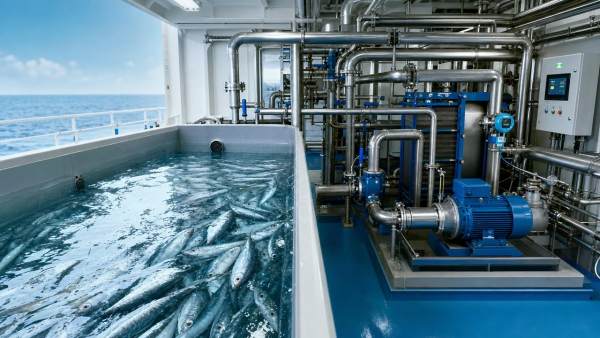
For business evaluators assessing onboard preservation investments, refrigerated seawater systems rsw stand out as a practical way to cut spoilage at sea, protect catch quality, and improve downstream value.
As regulatory pressure, fuel costs, and buyer quality standards rise, this technology deserves close review before any vessel retrofit or fleet modernization decision.
The core question is simple: can refrigerated seawater systems rsw deliver measurable gains in freshness, handling speed, and commercial returns under real operating conditions?
What are refrigerated seawater systems rsw, and why do they reduce spoilage so effectively?
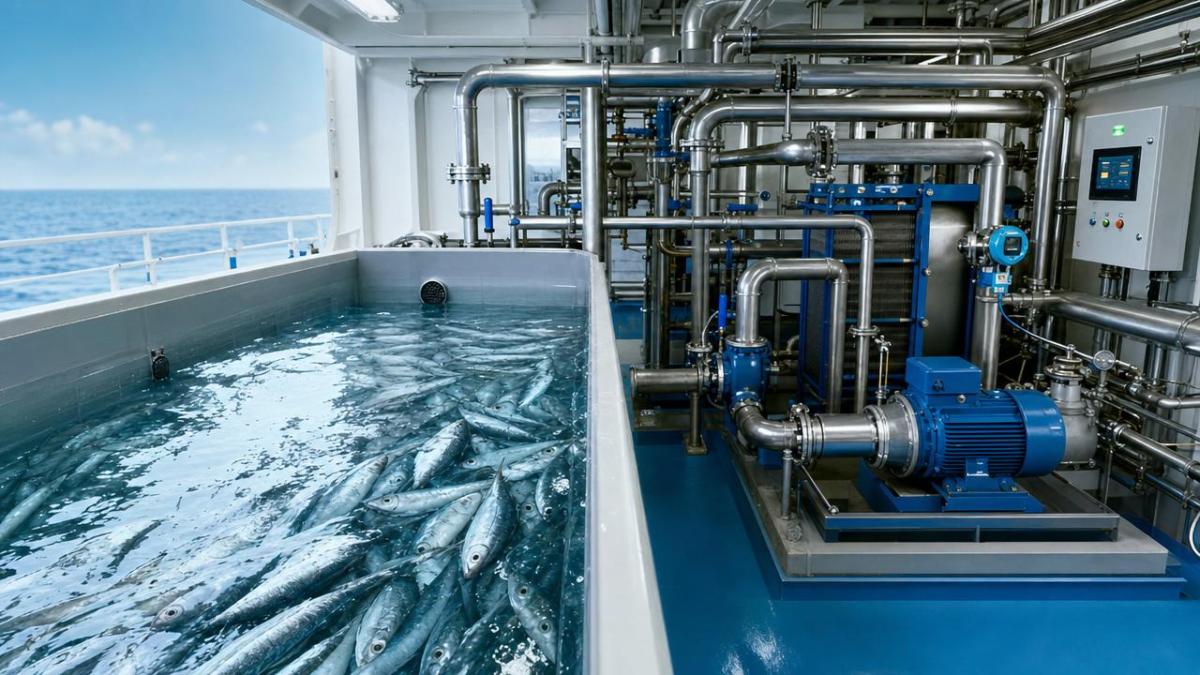
Refrigerated seawater systems rsw chill harvested fish by circulating cold seawater around the catch inside insulated tanks.
Unlike ice-only storage, the cooling medium surrounds the fish evenly. That reduces temperature gradients and lowers flesh temperature faster.
Rapid chilling matters because spoilage starts immediately after harvest. Enzymatic breakdown, bacterial activity, and texture loss accelerate when temperature remains elevated.
A well-designed refrigerated seawater systems rsw setup usually keeps slurry or tank water near the target range for species being handled.
That consistency helps preserve appearance, odor, firmness, and bloodline quality. These factors directly influence grading, rejection risk, and shelf-life performance.
Another advantage is handling speed. Crews can load fish into chilled tanks quickly instead of spending more time layering ice between batches.
The result is lower exposure to warm deck conditions. On high-catch days, that can be the difference between premium and discounted product.
How do refrigerated seawater systems rsw compare with ice holds and other chilling methods?
Most onboard preservation choices fall into three broad categories: traditional ice storage, refrigerated seawater systems rsw, and advanced chilled air or hybrid refrigeration methods.
Ice remains common because it is familiar and relatively simple. However, cooling can be uneven, especially in large holds or dense loads.
Chilled air systems work for some products, yet they often cool more slowly than immersion-based methods and may not suit all vessel layouts.
Refrigerated seawater systems rsw typically perform best when fast pull-down temperature and uniform chilling are the top priorities.
- Ice hold: lower technical complexity, but slower and less uniform cooling.
- RSW: faster heat removal, better consistency, less manual icing work.
- Hybrid systems: useful where species mix, trip length, or deck processes vary widely.
The choice also depends on voyage length, species sensitivity, hold design, and discharge timing after landing.
For pelagic species and high-volume operations, refrigerated seawater systems rsw often align well with both quality and throughput goals.
Which operating scenarios benefit most from refrigerated seawater systems rsw?
Not every vessel sees the same benefit. Results improve when catch rates are high, weather is warm, or landing delays are common.
The strongest use cases usually include species where texture, color, and histamine control carry direct pricing consequences.
Common favorable scenarios include:
- Short to medium trips with intense landing volumes.
- Warm-water fisheries with rapid post-harvest temperature rise.
- Supply chains serving fresh, chilled, or premium export channels.
- Operations facing buyer penalties for soft flesh, bruising, or temperature deviation.
Where processing plants rely on predictable raw material quality, refrigerated seawater systems rsw can also support better fillet yield and less trim loss.
That downstream effect is often underestimated during equipment evaluation. Freshness protection influences more than shelf life alone.
What should be checked before selecting refrigerated seawater systems rsw for a vessel?
Selection should begin with operational data, not brochure claims. Cooling performance depends on tank geometry, insulation quality, refrigerant design, and pumping capacity.
A practical review should cover thermal load, catch volume per set, target species, trip duration, and ambient seawater temperature.
Key checkpoints include:
- Pull-down speed from loading temperature to storage target.
- Tank circulation design and dead-zone prevention.
- Corrosion resistance of pumps, piping, and heat exchangers.
- Sanitation access for cleaning and biofilm control.
- Energy demand under peak cooling cycles.
- Spare parts access and service support availability.
Instrumentation matters too. Without reliable sensors, it becomes difficult to verify that refrigerated seawater systems rsw are actually holding fish within safe and optimal ranges.
Logged data supports audits, buyer confidence, and maintenance planning. It also helps identify underperforming tanks before quality claims arise.
What risks, costs, or misconceptions should be considered during implementation?
One common misconception is that refrigerated seawater systems rsw guarantee quality on their own. They do not replace good harvest handling, bleeding, sorting, or cleaning practices.
Another mistake is focusing only on capital cost. The real business case includes spoilage reduction, grading improvement, labor savings, and possible fuel tradeoffs.
Potential implementation risks include:
- Undersized refrigeration capacity during peak landings.
- Poor insulation causing temperature drift.
- Inadequate cleaning procedures leading to contamination issues.
- Improper loading density reducing circulation efficiency.
Training is often the hidden success factor. Even strong refrigerated seawater systems rsw designs can underperform if crews do not understand loading sequence, temperature targets, and hygiene routines.
Retrofit timing should also be planned carefully. Off-season installation reduces operational disruption and allows more complete commissioning tests.
How can return on investment be evaluated for refrigerated seawater systems rsw?
A disciplined ROI model should connect technical performance to commercial outcomes. Start with current spoilage rates, quality downgrades, icing costs, labor inputs, and trip patterns.
Then compare those figures against projected improvements after adopting refrigerated seawater systems rsw.
In many cases, value comes from cumulative gains rather than one dramatic metric. Small improvements across yield, grading, and labor can produce a strong payback profile.
Where compliance and traceable temperature control are rising priorities, refrigerated seawater systems rsw may also reduce commercial risk beyond visible spoilage losses.
Quick FAQ: how should refrigerated seawater systems rsw decisions be framed?
Refrigerated seawater systems rsw are not a universal answer, but they are a strong option when fast chilling and consistent preservation drive commercial outcomes.
The best next step is a vessel-specific review covering load profile, temperature targets, hold design, maintenance readiness, and expected price recovery after landing.
When that analysis is grounded in real operating data, refrigerated seawater systems rsw can be judged clearly as a quality safeguard and a practical investment.
Related Intelligence
- Commercial FishingWhat Should You Check in a Fishery Equipment Maintenance Contract?What should I look for in a fishery equipment maintenance contract? Explore coverage, response times, costs, records, safety, and biosecurity essentials.
- Commercial FishingDo commercial fishing vessels with hybrid diesel-electric propulsion reduce fuel cost per kg landed by more than 12%?Commercial fishing vessels with hybrid diesel-electric propulsion *can* cut fuel cost per kg landed by >12%—but only under precise operational and infrastructure conditions. Discover the real ROI.
- Commercial FishingHow to Choose Oyster Processing Equipment for Capacity, Hygiene, and Labor EfficiencyOyster processing equipment guide: compare capacity, hygienic design, and labor efficiency to build a reliable, scalable line and make smarter buying decisions.
The Morning Broadsheet
Daily chemical briefings, market shifts, and peer-reviewed summaries delivered to your terminal.
