

The Authority in Global Agricultural Chemistry & Bio-Resources
Seafood cold room sizing mistakes that raise operating costs
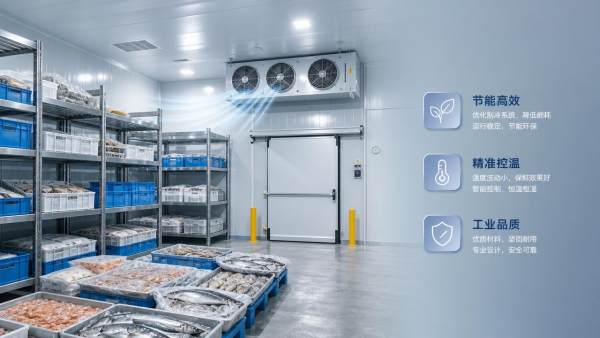
A poorly sized seafood cold room can quietly inflate energy use, shorten equipment life, and weaken temperature stability across the supply chain. In seafood processing, storage, and distribution, sizing errors rarely appear dramatic on day one. They usually emerge as higher utility bills, repeated compressor cycling, uneven room temperatures, frost issues, and preventable product loss. A well-planned seafood cold room must balance thermal load, product turnover, hygiene requirements, door activity, and future capacity. Getting that balance right is essential for cost control, product integrity, and compliance.
What seafood cold room sizing really means
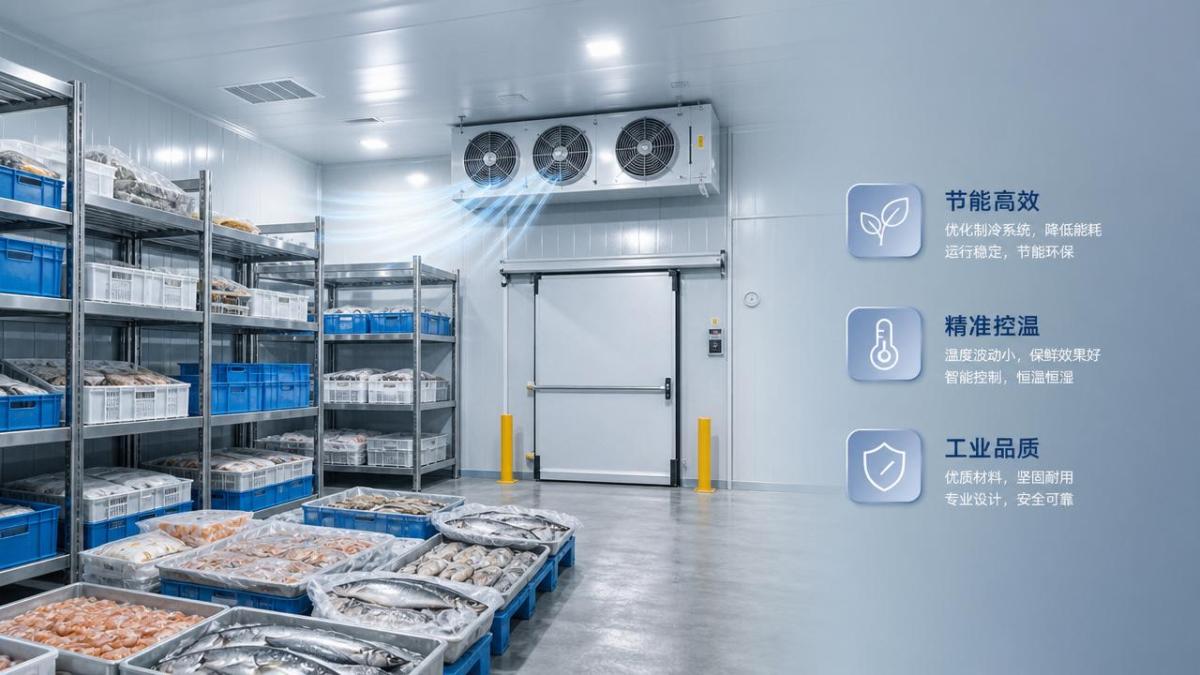
Sizing a seafood cold room is not just choosing room dimensions or selecting a larger condensing unit. It is the process of matching storage volume, refrigeration capacity, insulation performance, airflow, and operational patterns to a specific use case.
For seafood, the margin for error is small. Fresh fish, shellfish, frozen fillets, and packaged marine products each create different cooling loads and handling requirements. A room designed for one profile may perform poorly for another.
A seafood cold room sizing exercise should consider:
- target room temperature and pull-down time
- daily product intake and product temperature on arrival
- door opening frequency and loading duration
- insulation thickness, floor design, and ambient conditions
- air distribution, humidity control, and defrost strategy
- space for racks, bins, pallets, and sanitation access
When these variables are ignored, operating costs rise long before anyone questions the original design assumptions.
Current industry pressure points affecting cold room design
The seafood sector faces tighter control over traceability, energy intensity, and product quality. That makes correct seafood cold room sizing more important than it was even a few years ago.
In this context, a seafood cold room is no longer a basic storage box. It is a critical process asset tied directly to cost, uptime, and quality performance.
The most common seafood cold room sizing mistakes
Oversizing refrigeration capacity
Many projects assume bigger is safer. In reality, an oversized seafood cold room system often short cycles, struggles with stable humidity, and wears compressors faster. Frequent starts waste energy and reduce component life.
Oversizing also increases capital cost. The room may cool quickly, but not efficiently. This is especially common when rules of thumb replace a proper heat load calculation.
Undersizing for peak product load
The opposite mistake is designing only for average load. Seafood operations often receive warm product in concentrated batches. If the seafood cold room cannot absorb that peak load, pull-down times extend and product temperatures remain too high.
That causes quality decline, excess ice formation, and higher microbial risk for chilled products. A room that looks efficient on paper may fail during seasonal surges.
Ignoring product entry temperature
A seafood cold room storing already chilled products has a very different load from one receiving freshly harvested catch. Product temperature on entry is one of the biggest sizing variables, yet it is often estimated too optimistically.
Even a small error in intake assumptions can add significant refrigeration demand over a full operating cycle.
Using internal volume without operational layout analysis
A room may appear large enough by cubic meters, but storage efficiency depends on aisle width, pallet orientation, drainage paths, evaporator clearance, and sanitation access. Dead space reduces useful capacity and distorts airflow.
If layout is ignored, the seafood cold room can become crowded, causing blocked air circulation and uneven cooling around stacked product.
Underestimating infiltration from doors and traffic
Door openings add warm air and moisture. In seafood facilities with frequent loading, washdown, and internal movement, infiltration may become a major part of the total load. This is often missed in early planning.
The result is more frost, longer compressor runtime, and unstable room conditions. Strip curtains, rapid doors, and staging zones can materially change the load profile.
Treating fresh and frozen seafood the same
Fresh seafood cold room requirements differ from frozen storage. Fresh product needs tighter temperature consistency and appropriate humidity control. Frozen rooms focus more on low temperature maintenance and frost management.
Combining incompatible products in one design often creates compromise performance and higher operating cost.
Leaving no room for growth
Some projects are sized exactly to current throughput. When demand rises, the seafood cold room becomes overloaded. Product stacking increases, airflow worsens, and energy intensity climbs. Moderate expansion planning is usually more efficient than later emergency upgrades.
Why these mistakes raise operating costs
Sizing mistakes affect more than electricity use. They shape maintenance frequency, product waste, labor efficiency, and system reliability.
- Poor load matching increases compressor cycling and energy waste.
- Inadequate airflow creates hot spots and inconsistent product temperatures.
- Moisture ingress raises defrost demand and ice buildup.
- Congested layouts slow loading, inspection, and cleaning routines.
- Temperature instability can shorten shelf life and increase rejection risk.
For a seafood cold room, the cost impact is cumulative. A small design error repeated every hour becomes a large annual operating penalty.
Typical seafood cold room scenarios and sizing priorities
Practical methods to prevent seafood cold room sizing errors
Better results come from structured planning, not guesswork. A seafood cold room should be sized using measured or validated operational data whenever possible.
- Define the product profile clearly, including form, packaging, moisture behavior, and entry temperature.
- Calculate peak and average loads separately instead of relying on a single demand estimate.
- Map traffic patterns, door cycles, loading times, and washdown schedules.
- Check storage layout with airflow paths, maintenance access, and hygiene clearance included.
- Review insulation, floor heating, vapor barriers, and ambient exposure by location.
- Allow for realistic growth, but avoid blanket oversizing of compressors and evaporators.
- Use controls that support staging, variable capacity, and stable operation under partial load.
These steps help a seafood cold room perform efficiently across both routine operation and seasonal stress periods.
Implementation focus for the next project cycle
Before finalizing a seafood cold room design, review actual throughput, product temperature history, and door activity data from the intended site or a comparable operation. Convert assumptions into documented inputs. Then validate the design against both cost and quality objectives.
A well-sized seafood cold room protects far more than stored inventory. It supports stable operations, predictable maintenance, stronger compliance performance, and lower lifetime cost. The best outcomes come from early load analysis, disciplined layout planning, and system selection aligned with real operating conditions.
If a project is still in planning, the most useful next step is a full sizing review that tests peak load, traffic patterns, insulation strategy, and expansion assumptions before procurement begins.
Related Intelligence
- Climate Control & VentilationHow to Specify Modular Control Panels for Poultry House Ventilation SystemsModular control panels for poultry ventilation: learn how to specify reliable I/O, sensors, alarms, variable-speed fans, and future-ready expansion.
- Climate Control & VentilationWhat Variable Speed Insights Matter Most When Optimizing Greenhouse Ventilation?Variable speed insights reveal how fan speed affects humidity, airflow, stability, and energy use in greenhouse ventilation. Learn what to adjust first for smarter, more reliable climate control.
- Climate Control & VentilationPoultry Ventilation for Broilers: How to Balance Airflow, Temperature, and Litter QualityPoultry ventilation for broilers made practical: learn how to balance airflow, temperature, humidity, and litter quality to improve flock health, growth, and house performance.
The Morning Broadsheet
Daily chemical briefings, market shifts, and peer-reviewed summaries delivered to your terminal.
