

The Authority in Global Agricultural Chemistry & Bio-Resources
How to compare commercial fishing traps by target catch
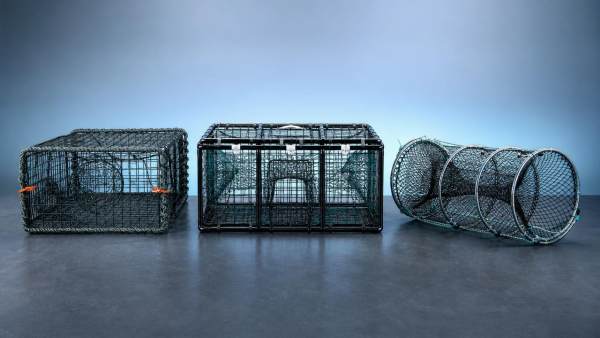
Selecting the right commercial fishing traps now requires more than comparing price, wire gauge, or supplier lead times.
Catch performance increasingly depends on species behavior, regional regulation, material durability, and vessel operating conditions.
For crab, lobster, eel, and finfish systems, small design differences can change soak efficiency, bycatch exposure, and total lifecycle cost.
This guide explains how to compare commercial fishing traps by target catch, with a practical view of current market shifts, technical selection factors, and sourcing priorities.
Target-species performance is becoming the main benchmark
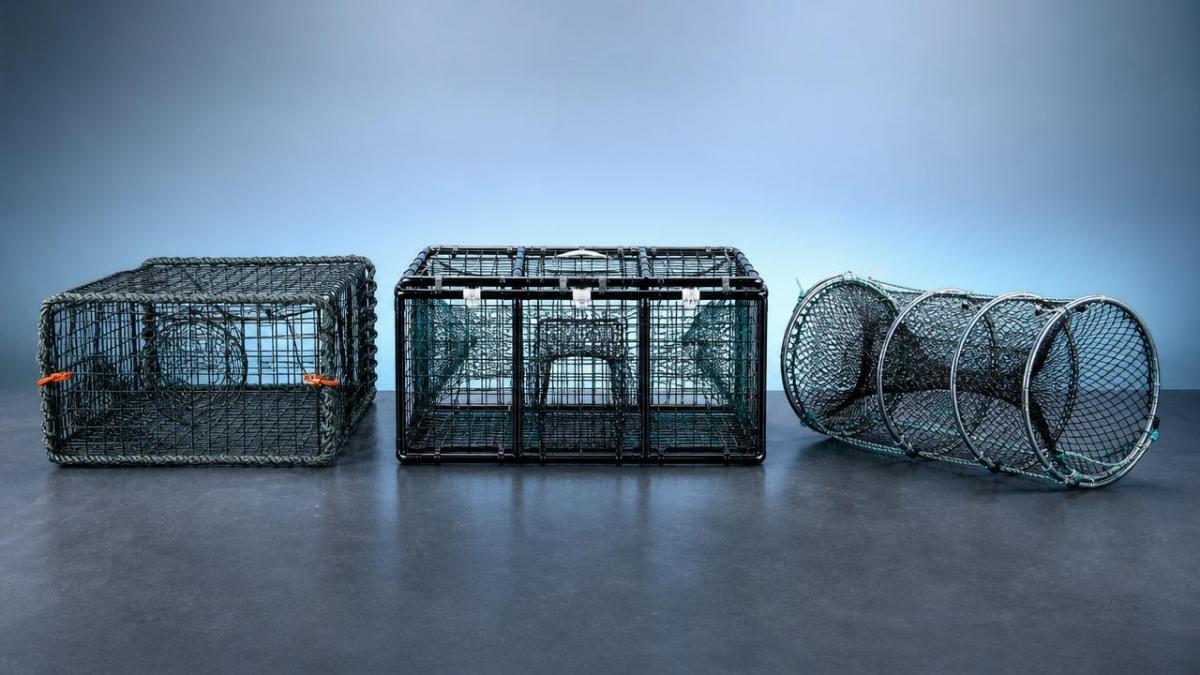
The market for commercial fishing traps is moving away from one-size-fits-all trap selection.
Operators increasingly compare traps by target catch behavior, escape control, retention rate, and regulatory compatibility.
This shift is especially visible in crab and lobster fisheries, where selective capture and ghost fishing reduction are under closer scrutiny.
Eel and finfish applications show a similar pattern, driven by habitat-specific deployment and pressure to reduce handling losses.
As a result, comparing commercial fishing traps by target catch has become a technical exercise, not a basic catalog review.
Several industry signals are reshaping trap evaluation standards
Changes in compliance, stock management, and operating economics are raising the bar for trap performance assessment.
In many regions, buyers now assess whether commercial fishing traps support traceability, biodegradable escape features, and species-selective design.
Fuel costs also influence decisions.
A trap with better target catch efficiency can justify higher upfront cost if it reduces hauling frequency or unproductive sets.
Material inflation adds another pressure point.
Galvanized steel, coated mesh, and synthetic netting must now be judged against lifespan, corrosion rate, and repairability.
Key drivers behind the shift
- Stricter rules on escape vents, biodegradable panels, and bycatch mitigation.
- Rising demand for catch efficiency in short weather windows.
- Longer asset-life expectations for commercial fishing gear.
- More species-specific deployment in aquaculture-adjacent and coastal zones.
- Greater focus on verifiable specifications in global sourcing.
Trap geometry affects crab, lobster, eel, and finfish outcomes differently
The best commercial fishing traps depend on how the target species approaches, enters, and remains inside the trap.
That means comparing entrance angle, chamber layout, mesh size, bait position, and hauling stress.
Crab trap comparison points
Crab species respond well to low-profile, stable traps with accessible entrances and strong bottom contact.
Important metrics include entry speed, retention after soak, stackability, and sediment tolerance.
For rough seabeds, rigid frames often outperform lighter forms that shift or roll.
Lobster trap comparison points
Lobster-focused commercial fishing traps need reliable parlors, controlled funnel entries, and durable escape panel integration.
Retention quality matters more than raw entry volume.
Lobsters can exploit weak joints, poor mesh tension, or inconsistent door closure during retrieval.
Eel trap comparison points
Eel systems require narrow entry control, elongated body accommodation, and smooth internal surfaces.
Net-based or tubular trap designs may work better than heavy framed units in shallow or river-connected environments.
Water flow interaction is critical for scent transmission and passive guidance.
Finfish trap comparison points
Finfish-oriented commercial fishing traps often depend on schooling behavior, directional entry, and stress-sensitive holding space.
Visibility, panel spacing, and chamber volume can influence both catch rate and post-capture quality.
In premium markets, reduced scale loss or bruising can outweigh larger catch counts.
A structured comparison table reduces selection errors
The table below summarizes how commercial fishing traps should be compared by target catch and operating priorities.
Material and compliance factors now influence operational value more directly
A trap that fits the species but fails under local conditions creates hidden replacement and compliance costs.
That is why commercial fishing traps should be reviewed as technical assets, not disposable accessories.
Corrosion resistance matters in high-salinity waters and extended soak programs.
Coating adhesion, weld integrity, and fastener quality should be verified before scaling an order.
Compliance details are equally important.
Escape vents, biodegradable twine links, mesh regulations, and labeling rules vary by fishery and jurisdiction.
Areas that deserve close attention
- Wire thickness versus total trap weight.
- Coating type and expected abrasion resistance.
- Door hinge reliability after repeated hauls.
- Field-replaceable panels and repair simplicity.
- Documented conformity with local fishery rules.
These changes affect sourcing, deployment, and catch economics across operations
As comparison standards become more species-specific, buying decisions increasingly shape downstream efficiency.
The wrong commercial fishing traps can increase bycatch sorting time, trap loss, maintenance labor, and inconsistent landings.
The right configuration improves predictability across seasons and fishing grounds.
This matters in integrated seafood supply chains where landing quality, sustainability reporting, and unit economics are linked.
Operational impact by business stage
- Selection stage: Better species matching lowers trial-and-error expense.
- Deployment stage: Stable trap design reduces set failure in variable currents.
- Harvest stage: Better retention protects catch value and reduces handling loss.
- Compliance stage: Correct specifications reduce enforcement and reporting risk.
- Lifecycle stage: Repairable traps improve long-term capital efficiency.
The most reliable comparison approach focuses on a short list of decision priorities
When reviewing commercial fishing traps, focus first on measurable fit rather than broad marketing claims.
Core points to prioritize
- Target species behavior under local seabed, depth, and current conditions.
- Retention performance during long soak and rough retrieval.
- Compatibility with regional compliance requirements.
- Maintenance burden over one full operating season.
- Availability of specification sheets, samples, and repair components.
A practical next-step framework supports better long-term decisions
A structured trial plan helps confirm whether shortlisted commercial fishing traps truly match target catch requirements.
- Define the primary species, secondary species, and bycatch constraints.
- Document local rules for dimensions, vents, escape panels, and materials.
- Compare at least two trap formats under the same soak conditions.
- Track catch rate, retention, damage rate, and repair frequency.
- Review total cost by season, not only initial unit price.
In today’s market, the best commercial fishing traps are those that align species behavior, compliance, durability, and operational economics.
A disciplined comparison process leads to better catch outcomes and stronger long-term asset value.
Use this framework to build a specification checklist, request validated samples, and compare trap designs against real target catch conditions before wider deployment.
Related Intelligence
- Commercial FishingWhat Should You Check in a Fishery Equipment Maintenance Contract?What should I look for in a fishery equipment maintenance contract? Explore coverage, response times, costs, records, safety, and biosecurity essentials.
- Commercial FishingDo commercial fishing vessels with hybrid diesel-electric propulsion reduce fuel cost per kg landed by more than 12%?Commercial fishing vessels with hybrid diesel-electric propulsion *can* cut fuel cost per kg landed by >12%—but only under precise operational and infrastructure conditions. Discover the real ROI.
- Commercial FishingHow to Choose Oyster Processing Equipment for Capacity, Hygiene, and Labor EfficiencyOyster processing equipment guide: compare capacity, hygienic design, and labor efficiency to build a reliable, scalable line and make smarter buying decisions.
The Morning Broadsheet
Daily chemical briefings, market shifts, and peer-reviewed summaries delivered to your terminal.
