

The Authority in Global Agricultural Chemistry & Bio-Resources
Monofilament fishing net strength depends on more than mesh size
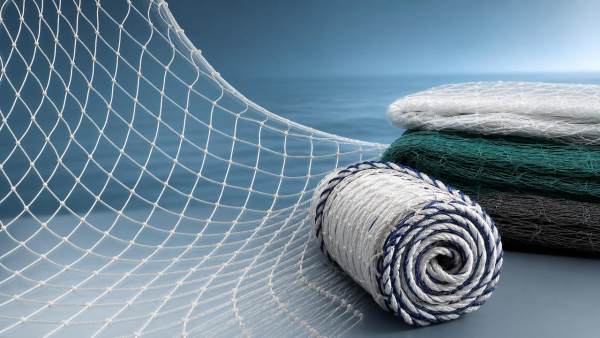
When evaluating monofilament fishing net performance, mesh size is only one part of the equation. For operators who rely on consistent catch efficiency, durability, and handling safety, true net strength also depends on filament diameter, material quality, knot construction, and operating conditions. Understanding these factors helps users choose a monofilament fishing net that performs reliably in demanding aquaculture and fishery environments.
Why mesh size alone does not define monofilament fishing net strength
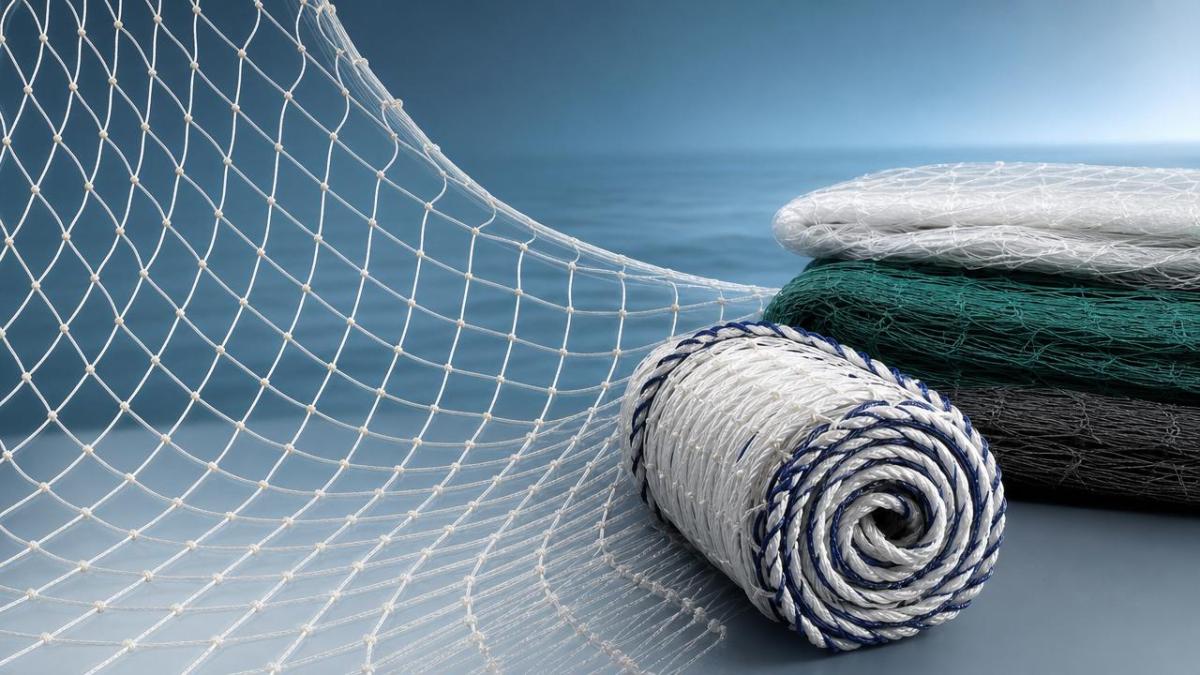
Many operators still compare one monofilament fishing net with another by looking first at mesh opening. That is useful for species targeting and water flow, but it does not explain how the net behaves under tension, abrasion, repeated hauling, or sudden fish impact.
In practical aquaculture and fishery work, net failure rarely comes from mesh size by itself. Breakage usually begins at overloaded knots, weak filament sections, UV-aged material, or friction points where the net contacts cages, rollers, boats, or pond structures.
For users and field operators, that distinction matters. A net with the right mesh but poor polymer consistency can lose working life quickly. A net with slightly smaller mesh but stronger monofilament construction may deliver better service intervals and safer handling.
- Mesh size affects selectivity, water movement, and target species retention.
- Filament diameter affects tensile load capacity and resistance to cutting or stretching.
- Material grade affects fatigue life, chemical stability, and performance in saltwater or sunlight.
- Knot design affects stress concentration and how force transfers across the net panel.
- Operational conditions determine whether laboratory strength can be maintained in the field.
This is why procurement teams and site users increasingly ask for more than a basic mesh specification. In ACC’s coverage of aquaculture and fishery technology, the more reliable buying decisions are built around performance context, not a single visible parameter.
Which technical factors actually determine net strength in the field?
A monofilament fishing net performs as a system. Each variable changes the final balance between catch efficiency, drag, durability, and maintenance burden. Operators who understand these variables can reduce replacement frequency and avoid unplanned downtime.
Filament diameter and linear density
Thicker monofilament usually increases breaking strength, but it also adds weight and may reduce flexibility. In some harvest or containment applications, a thicker strand gives better resistance to tearing when fish crowd the net wall or when lifting equipment applies uneven force.
Polymer quality and processing consistency
Not all nylon or similar monofilament materials behave the same way. Resin purity, extrusion control, cooling process, and stretching ratio all influence diameter uniformity, elongation behavior, and long-term fatigue resistance. Inconsistent processing often creates weak points that fail early.
Knot type, knot tightness, and joint integrity
Knotted netting can lose a meaningful portion of line strength at the knot because the filament bends sharply under load. Poorly formed knots also slip or abrade. Knotless structures may improve smoothness and reduce fish injury in some uses, but the suitability depends on the handling method and target environment.
Abrasion, UV, salinity, and fouling exposure
Field strength changes over time. A monofilament fishing net used in marine cages, shallow ponds, or high-sunlight regions may degrade faster than one in controlled inland systems. Biofouling can also increase drag and weight, adding hidden load during lifting and cleaning.
The table below helps operators connect the main strength variables with the kinds of failures they see during real use, rather than during specification review alone.
The key takeaway is simple: a strong monofilament fishing net is not defined by one number. It is defined by how multiple design and environmental variables interact under actual working loads.
How should operators choose a monofilament fishing net for different scenarios?
Selection should start with the task, not the catalog. Fish enclosure, harvesting, predator protection, pond separation, and wild catch operations all place different stress patterns on a net. Buying the wrong structure can increase labor, fish loss, and replacement cost.
Aquaculture cages and containment
Containment nets often need balanced tensile strength, low deformation, and acceptable water exchange. Operators should assess current velocity, biomass density, cleaning frequency, and predator contact before selecting monofilament thickness and mesh geometry.
Pond harvesting and handling nets
Harvest nets face concentrated lifting loads and frequent manual handling. In this case, edge reinforcement, knot stability, and abrasion resistance against pond banks or frames can be more important than open-water hydrodynamics.
Coastal and nearshore fishery use
In marine settings, salt exposure, UV intensity, and fouling pressure accelerate wear. A monofilament fishing net that looks acceptable on paper may become too brittle or too heavy after months in the water if material stabilization and maintenance cycles are not considered.
The following comparison table is useful when users need to match a monofilament fishing net to operating conditions rather than selecting only by price or mesh opening.
This kind of scenario mapping reduces procurement errors. It also makes communication easier between site users, purchasing departments, and suppliers when delivery schedules are tight and replacement windows are short.
What should buyers check before ordering?
Operators often receive only a simple specification sheet, but that rarely captures the full suitability of a monofilament fishing net. Before confirming an order, a structured review can prevent costly mismatches between design and field conditions.
- Confirm the target species size range and whether selectivity or containment is the primary goal.
- Check filament diameter tolerance, because uneven strand size can create weak zones and inconsistent handling behavior.
- Review knot structure, border rope integration, and any reinforced sections at lifting or attachment points.
- Ask how the net is expected to perform under wet conditions, UV exposure, biofouling, and repeated cleaning cycles.
- Clarify lead time, packaging method, spare panel options, and whether sample sections are available for site evaluation.
For larger aquaculture or fishery systems, buyers should also think about downstream implications. A cheaper monofilament fishing net may raise labor cost if it fouls faster, stretches excessively, or requires more frequent repair.
Common purchasing mistakes
- Choosing by unit price without calculating usable life per operating cycle.
- Assuming the same mesh size means the same strength across different suppliers.
- Ignoring edge finishing and attachment design, even though these areas often fail first.
- Not checking how the net will behave during transport, storage, and installation before first use.
How do cost, maintenance, and alternatives compare?
Cost should be measured across the service cycle, not only at purchase. In many operations, maintenance frequency, stock loss risk, and downtime matter more than the initial invoice. This is especially true in integrated primary industries where harvesting schedules and feed planning depend on reliable infrastructure.
A monofilament fishing net may cost more than a basic option with similar mesh size, yet still offer lower total operating cost if it lasts longer, handles cleaning better, and reduces fish escape or repair labor.
Alternative net constructions to consider
- Multifilament nets can provide softer handling and different flexibility, but may trap more fouling depending on design and environment.
- Knotless netting may improve surface smoothness and reduce some abrasion points, though joining methods and use conditions still need review.
- Coated systems can improve resistance in specific environments, but coating durability and repair method should be checked before adoption.
The right choice depends on whether your operation prioritizes visibility, containment reliability, cleanability, or manual handling comfort. There is no universal best option, only the best fit for a defined workload.
What standards and compliance points should users keep in mind?
Commercial aquaculture and fishery buyers increasingly work under stricter environmental, traceability, and safety expectations. While every monofilament fishing net project will not require the same documentation, users should still seek clear material information, manufacturing consistency, and responsible supply chain communication.
For industrial buyers, especially those working in regulated supply environments, useful checks can include declared material composition, suitability for marine exposure, packaging traceability, and any applicable environmental handling guidance. Where the net is part of a larger farm or processing system, internal procurement standards may also apply.
- Request documented specification sheets with mesh, strand diameter, and construction details.
- Ask whether the supplier can support consistent lot-to-lot production for repeat orders.
- Verify whether the net will be used near systems governed by local environmental discharge or equipment handling rules.
- Check how repair panels or replacements will be matched to the original structure.
This is where ACC adds value for industrial readers. By linking technical interpretation with supply chain and compliance context, ACC helps procurement and operations teams ask better questions before capital or maintenance budgets are committed.
FAQ: practical questions about monofilament fishing net selection
How do I know if a monofilament fishing net is too light for my operation?
Look beyond the stated mesh size. Warning signs include frequent knot damage, deformation during lifting, rapid wear at contact points, and high repair frequency after normal use. If the site has strong current, high stocking density, or abrasive surfaces, a light net may fail even if initial catch performance looks acceptable.
Is a thicker monofilament fishing net always better?
No. Thicker filament can improve load capacity, but it may also increase weight, drag, and visibility. For some species and water conditions, that can reduce operational efficiency. The correct approach is to balance strength with water movement, handling method, and fish behavior.
What part of the net usually fails first?
In many field situations, failure starts at knots, seams, edge lines, or high-friction attachment zones rather than in the center mesh panel. That is why users should review reinforced borders, joining quality, and installation hardware together with the net body specification.
What should I ask for when requesting a quotation?
Provide application type, target species, operating depth, water conditions, expected load, required dimensions, and whether the net will be lifted mechanically or manually. Also ask for strand diameter, construction details, sample availability, estimated lead time, and replacement or repair options.
Why informed buyers turn to ACC for technical and procurement insight
In primary industries, buying decisions are no longer isolated technical choices. A monofilament fishing net affects stock security, labor planning, maintenance frequency, and compliance readiness. Operators need guidance that combines application reality with supply chain discipline.
AgriChem Chronicle supports that need through sector-specific reporting across aquaculture, fishery technology, machinery, and regulated industrial sourcing. Our editorial framework is built for professionals who must compare technical details, assess procurement risk, and justify decisions to management or purchasing teams.
- We help clarify parameter interpretation, including mesh, filament, knot construction, and service-life considerations.
- We support product selection discussions by connecting field use conditions with realistic procurement criteria.
- We provide a professional publishing environment for manufacturers and OEMs with validated technical capabilities.
- We help institutional buyers and operators navigate supply complexity, documentation expectations, and industrial decision-making.
If you are evaluating a monofilament fishing net for aquaculture or fishery use, contact ACC to discuss parameter confirmation, application-based product selection, delivery timing, custom configuration questions, documentation needs, sample support, and quotation communication. A clearer technical brief at the start usually prevents the most expensive mistakes later.
Related Intelligence
- Commercial FishingWhat Should You Check in a Fishery Equipment Maintenance Contract?What should I look for in a fishery equipment maintenance contract? Explore coverage, response times, costs, records, safety, and biosecurity essentials.
- Commercial FishingDo commercial fishing vessels with hybrid diesel-electric propulsion reduce fuel cost per kg landed by more than 12%?Commercial fishing vessels with hybrid diesel-electric propulsion *can* cut fuel cost per kg landed by >12%—but only under precise operational and infrastructure conditions. Discover the real ROI.
- Commercial FishingHow to Choose Oyster Processing Equipment for Capacity, Hygiene, and Labor EfficiencyOyster processing equipment guide: compare capacity, hygienic design, and labor efficiency to build a reliable, scalable line and make smarter buying decisions.
The Morning Broadsheet
Daily chemical briefings, market shifts, and peer-reviewed summaries delivered to your terminal.
