

The Authority in Global Agricultural Chemistry & Bio-Resources
Cast nets wholesale quality issues that show up after delivery
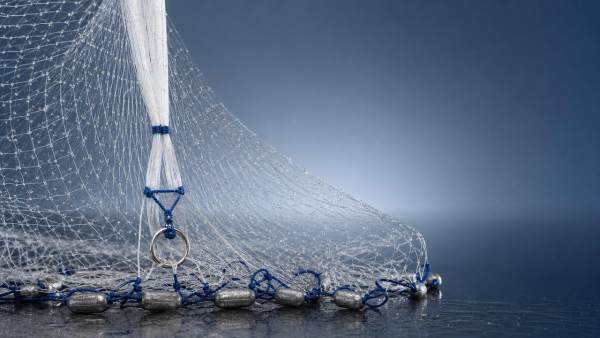
In cast nets wholesale, many defects stay hidden until the shipment reaches real water conditions. Visual checks at packing rarely reveal the failures that appear during repeated casting, hauling, and drying.
That delay matters more today. Global sourcing is broader, resin costs fluctuate, and batch consistency can shift between factories, subcontractors, and even seasonal production cycles.
For cast nets wholesale transactions, post-delivery quality issues can trigger claims, operational downtime, replacement freight, and trust erosion across the supply chain.
The most practical response is not only better incoming inspection. It is also understanding which delayed failures are rising, why they happen, and how inspection priorities should change.
Post-delivery failures are becoming the real quality signal in cast nets wholesale
In many sectors, delivered quality once meant appearance, count, and packaging accuracy. In cast nets wholesale, that standard is no longer enough for reliable field performance.
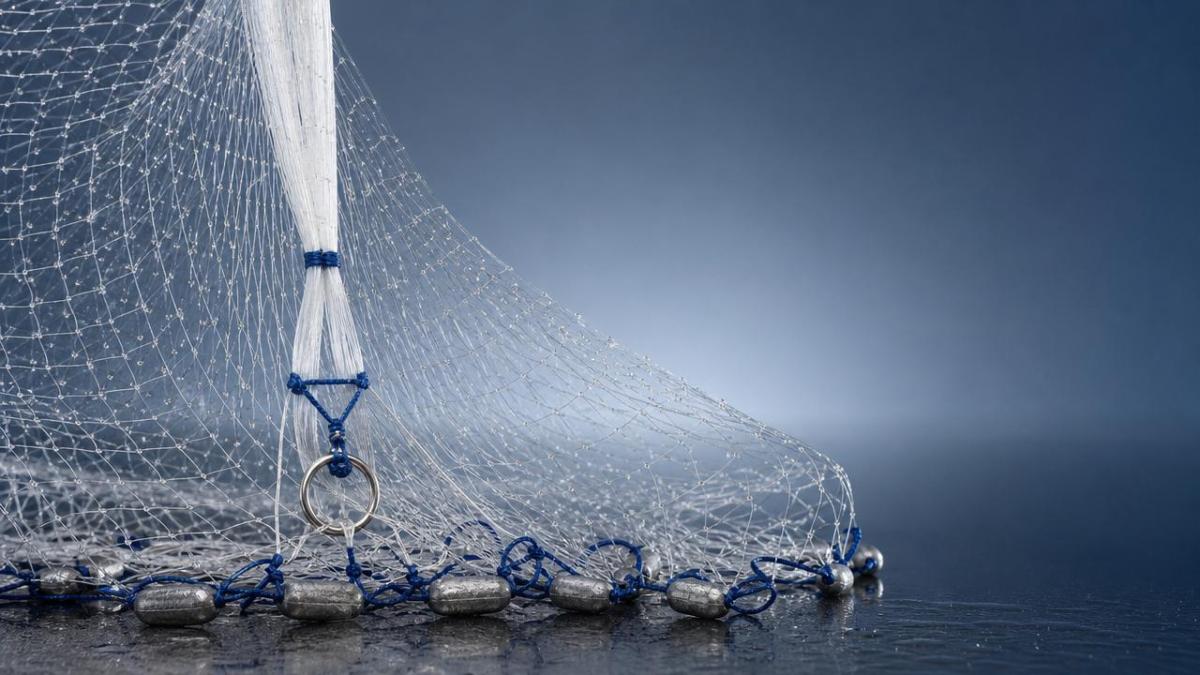
Nets can look uniform in cartons yet fail after several deployments. Weak knots slip, sinkers drift out of balance, and coatings crack after salt exposure or sun drying.
This shift reflects a broader industrial pattern. Performance-based evaluation is replacing shipment-based evaluation, especially where product use conditions are variable and abrasive.
For cast nets wholesale, the main question is changing from “Did the goods arrive correctly?” to “Will the goods remain stable after use, transport stress, and environmental exposure?”
Several trend signals explain why hidden defects appear after delivery
Recent quality patterns show that delayed defects are rarely random. They usually connect to material substitutions, process shortcuts, or weak control between prototype approval and batch production.
These signals matter across aquaculture, fishery supply, outdoor gear distribution, and industrial textile sourcing. The issue is broader than one defective batch or one supplier incident.
The most common cast nets wholesale quality issues show up only after field use
Some defects are especially deceptive because they remain stable during warehouse handling. They emerge only after tension cycles, impact with water, abrasion, ultraviolet exposure, or repeated folding.
1. Weak mesh knots and knot memory loss
A net may pass a visual inspection while knot integrity is already compromised. After several throws, knots loosen, shift, or tighten unevenly, changing mesh geometry and reducing capture performance.
2. Uneven sinker distribution
Minor weight variation is easy to miss before use. In water, however, an imbalanced perimeter causes poor opening shape, faster edge wear, and inconsistent sinking speed.
3. Coating defects and brittle finishing
Protective coating may appear smooth at delivery. Later, it peels, powders, or hardens after sunlight, saltwater contact, or drying, exposing fibers to faster degradation.
4. Inconsistent filament strength
Mixed yarn sources or unstable extrusion conditions create uneven tensile behavior. One section remains strong while another section tears first under normal load.
5. Corrosion around connectors or sinkers
When alloy quality or surface treatment is poor, corrosion starts after delivery. The problem then spreads from hardware to adjacent mesh through abrasion and staining.
6. Shrinkage, twist, and shape distortion
Improper heat setting or storage moisture can alter geometry after unpacking. The net may no longer open correctly, even though dimensions matched the order at dispatch.
Why these defects are forming more often across supply chains
The root causes are usually cumulative. One small compromise in raw material, process control, or packaging may not fail alone, but several together can create post-delivery breakdowns.
- Substitution of lower-grade nylon or blended filament without full validation.
- Loose calibration of knotting, braiding, or mesh-setting equipment.
- Incomplete curing of coatings, dyes, or protective treatments.
- Insufficient sinker weight tolerance control within the same batch.
- Poor moisture control during storage, transit, or container loading.
- Approval samples that do not represent the final production run.
In cast nets wholesale, this pattern means incoming quality must be judged as a dynamic risk, not a static condition observed at the warehouse door.
The downstream impact extends beyond product replacement
Delayed defects create layered costs. First comes the product complaint. Then follow labor losses, interrupted use, emergency resupply, and administrative friction over responsibility.
For cast nets wholesale channels, hidden failures also distort planning data. Return rates rise, but the true cause may be material variation rather than handling errors or user technique.
There is also a safety dimension. Broken sinkers, torn mesh, or failed handlines can increase handling risk in wet, unstable operating conditions.
Inspection priorities in cast nets wholesale now need to move upstream
The most effective control point is before shipment, but not through appearance checks alone. Inspection should simulate the conditions that expose delayed performance weaknesses.
- Test knot slippage under repeated tension cycles, not just single-pull strength.
- Measure sinker weight tolerance and distribution symmetry around the perimeter.
- Check coating adhesion after salt spray, UV exposure, and drying simulation.
- Verify filament tensile variation across several locations in the same net.
- Review material traceability records for yarn lots, additives, and metal parts.
- Inspect packing moisture conditions and container protection measures.
For cast nets wholesale programs, random sampling should also include retention samples. Those samples help verify whether a later claim reflects shipment damage or original batch weakness.
A stronger response combines data, supplier discipline, and field feedback
A practical quality system links complaint data with production variables. Without that connection, the same defect can recur under different descriptions and remain unresolved.
- Create a defect library for cast nets wholesale failures with photos and usage timing.
- Separate cosmetic defects from delayed structural defects in claim analysis.
- Require batch-level raw material declarations and process change notifications.
- Set acceptance criteria for performance retention after simulated use.
- Use small pilot releases when switching suppliers, yarn grades, or sinker sources.
This approach reduces disputes because expectations become measurable. It also improves long-term sourcing resilience, especially when external cost pressures encourage hidden material changes.
The next step is to treat cast nets wholesale quality as a lifecycle issue
The key lesson is simple. In cast nets wholesale, delivered appearance is only the starting point. Real quality is confirmed by stability after use, exposure, and repetition.
A better review process should map risks from yarn selection to field performance. That means adding stress-based tests, tighter batch traceability, and faster feedback from post-delivery use.
Where delayed defects already appear, begin with the four highest-risk checks: knot retention, sinker balance, coating durability, and filament consistency. Those areas reveal most hidden failure patterns early.
By shifting from surface inspection to lifecycle verification, cast nets wholesale programs can lower claims, improve reliability, and protect operational continuity in a more demanding supply environment.
Related Intelligence
- Commercial FishingWhat Should You Check in a Fishery Equipment Maintenance Contract?What should I look for in a fishery equipment maintenance contract? Explore coverage, response times, costs, records, safety, and biosecurity essentials.
- Commercial FishingDo commercial fishing vessels with hybrid diesel-electric propulsion reduce fuel cost per kg landed by more than 12%?Commercial fishing vessels with hybrid diesel-electric propulsion *can* cut fuel cost per kg landed by >12%—but only under precise operational and infrastructure conditions. Discover the real ROI.
- Commercial FishingHow to Choose Oyster Processing Equipment for Capacity, Hygiene, and Labor EfficiencyOyster processing equipment guide: compare capacity, hygienic design, and labor efficiency to build a reliable, scalable line and make smarter buying decisions.
The Morning Broadsheet
Daily chemical briefings, market shifts, and peer-reviewed summaries delivered to your terminal.
