

The Authority in Global Agricultural Chemistry & Bio-Resources
Crab traps wholesale pricing often hides these cost gaps
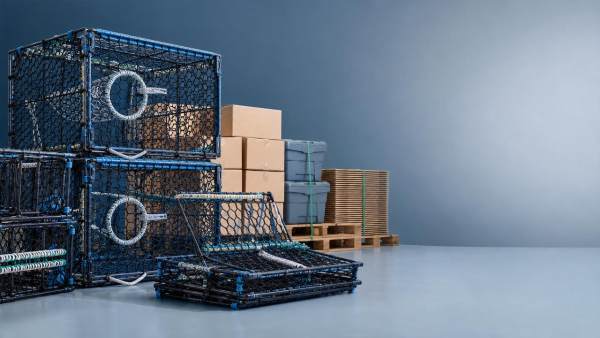
Crab traps wholesale pricing can look straightforward at first glance, yet hidden cost gaps often distort true procurement value. For commercial buyers and evaluation teams, overlooking materials, compliance, freight, and lifecycle performance can turn a low quote into a costly sourcing mistake. This analysis examines where crab traps wholesale offers commonly conceal expenses and how to compare suppliers with greater financial and operational accuracy.
Why crab traps wholesale quotes need a structured review
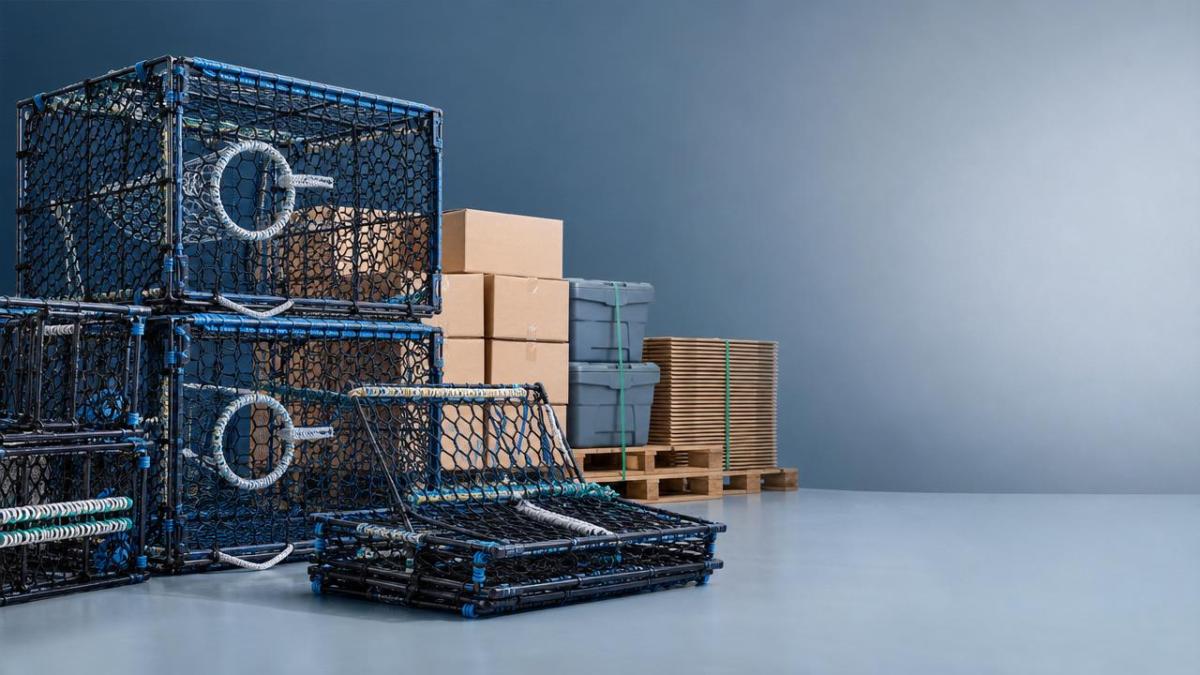
A unit price rarely reflects the full landed and operating cost of fishing gear. Hidden charges often appear after specification approval, packing confirmation, or port booking.
In aquaculture and fishery tech procurement, small omissions can affect compliance, deployment speed, and replacement frequency. That makes crab traps wholesale evaluation a technical exercise, not a simple price comparison.
A structured review prevents underestimating material quality, corrosion resistance, escape ring design, coating thickness, and stack efficiency. These factors directly influence service life and total spend.
Essential checks before accepting any crab traps wholesale offer
Use the following points to compare crab traps wholesale proposals on a like-for-like basis before approving production or shipment.
- Confirm frame material grade, wire diameter, mesh gauge, and coating system, because minor downgrades can sharply reduce trap durability in saltwater conditions.
- Verify whether the quoted crab traps wholesale price includes bait box, rope attachment points, escape vents, doors, hinges, and identification tags.
- Request dimensional tolerances and stacked shipping dimensions, since oversize or poor nesting design can increase container cost per usable unit.
- Check compliance with fishery regulations covering biodegradable panels, escape ring size, entrance geometry, and regional environmental restrictions.
- Ask for coating adhesion data, weld quality records, and corrosion test evidence rather than relying on catalog photos or generic material claims.
- Separate EXW, FOB, CIF, and DDP pricing clearly, because freight terms often hide inland haulage, documentation, port fees, and customs handling costs.
- Clarify packaging method, pallet count, bundling strength, and carton protection to reduce deformation, coating damage, and unloading losses in transit.
- Review sample policy, pre-shipment inspection scope, and defect thresholds so quality disputes are not postponed until traps arrive in the field.
- Calculate replacement intervals and repairability, because cheaper crab traps wholesale options may require more frequent reorders and higher downtime.
- Confirm lead time by material stage, not just final dispatch date, especially when steel sourcing, coating queues, or seasonal demand affect output.
Where cost gaps most often hide in crab traps wholesale sourcing
Material substitution
Some suppliers quote lower prices by reducing wire thickness or using lower-grade steel. The trap may look similar, but impact resistance and corrosion life decline quickly.
PVC coating quality also varies. Thin or poorly bonded coating can crack during stacking, transport, or repeated seabed contact.
Incomplete accessories
A low crab traps wholesale quote may exclude funnels, clips, bait containers, rot cords, or biodegradable escape panels. These additions later raise the actual order value.
Freight inefficiency
Trap shape and stacking performance strongly affect logistics. If units do not nest efficiently, container utilization drops and landed cost per trap rises.
This issue is common when comparing foldable and rigid models. The cheaper unit price may lose its advantage once cubic volume is calculated.
Regulatory mismatch
Fishery rules differ by coast, species, and operating zone. Non-compliant crab traps wholesale purchases can trigger modification costs, delayed deployment, or outright rejection.
Weak inspection control
Without agreed inspection criteria, weld defects, door misalignment, and coating inconsistency may pass unnoticed. Rework after arrival is far costlier than prevention at origin.
How to compare crab traps wholesale offers across different use cases
Nearshore seasonal operations
Shorter usage windows may allow lower lifecycle expectations, but corrosion resistance still matters. Salt exposure during storage can damage low-grade coatings between seasons.
In this scenario, focus on stackability, easy repair, and local regulation fit. Fast replacement supply may be more important than the lowest opening quote.
Offshore or high-abrasion deployment
Rougher seabed conditions increase stress on welds, mesh, and entrances. Here, premium material specification often lowers total cost despite a higher crab traps wholesale price.
Ask for reinforced joints, verified coating thickness, and field performance references in similar environments. Durability is the main value driver.
Multi-region distribution
When traps are resold or deployed across several jurisdictions, specification flexibility becomes critical. One design may not satisfy every local compliance requirement.
It is safer to compare crab traps wholesale suppliers on documentation quality, labeling accuracy, and configurable features, not just base manufacturing price.
Commonly overlooked items that raise the real cost
Sample approvals are often treated as routine, yet unrepresentative samples can mislead the full order decision. Production material and sample material must match exactly.
Tooling or jig charges may appear later if custom dimensions are requested. These costs should be stated before final confirmation.
Currency fluctuation clauses can quietly change payable value. Review whether the crab traps wholesale quote is fixed, indexed, or time-limited.
Warranty wording may exclude corrosion, impact damage, or coating failure. A broad warranty headline means little without practical claim conditions.
Documentation costs matter too. Certificates, inspection reports, fumigation papers, and export files may be billed separately.
Practical steps to improve decision accuracy
- Build a side-by-side comparison sheet listing material grade, wire size, coating, accessories, packing, Incoterms, inspection scope, and compliance features.
- Request a landed-cost model, including freight, duties, brokerage, inland delivery, and expected loss rate from transit or defects.
- Test a pilot batch in real operating conditions. Measure deformation, corrosion development, door reliability, and catch-performance consistency.
- Use contract language that links payment milestones to inspection results, dimensional tolerance, and agreed material specification.
- Record replacement frequency and repair cost over time. This data will improve future crab traps wholesale negotiations and forecast accuracy.
FAQ on crab traps wholesale cost evaluation
Is the lowest crab traps wholesale price ever the best option?
Only when the specification, compliance level, freight efficiency, and service life are equivalent. Otherwise, the lowest quote can produce the highest total cost.
What document matters most in early comparison?
A complete technical specification sheet matters more than a simple quotation. It defines whether two crab traps wholesale offers are actually comparable.
Should foldable traps always be preferred?
Not always. Foldable designs can save freight, but hinge durability, setup time, and structural strength must be reviewed against operating conditions.
Final takeaways for stronger sourcing outcomes
Crab traps wholesale decisions become more reliable when price is tested against material reality, logistics efficiency, compliance requirements, and expected service life.
The most effective next step is to standardize a quotation review sheet and require every supplier to respond against the same technical and commercial checkpoints.
That approach exposes hidden cost gaps early, supports cleaner supplier comparison, and improves total value across future crab traps wholesale procurement cycles.
Related Intelligence
- Commercial FishingWhat Should You Check in a Fishery Equipment Maintenance Contract?What should I look for in a fishery equipment maintenance contract? Explore coverage, response times, costs, records, safety, and biosecurity essentials.
- Commercial FishingDo commercial fishing vessels with hybrid diesel-electric propulsion reduce fuel cost per kg landed by more than 12%?Commercial fishing vessels with hybrid diesel-electric propulsion *can* cut fuel cost per kg landed by >12%—but only under precise operational and infrastructure conditions. Discover the real ROI.
- Commercial FishingHow to Choose Oyster Processing Equipment for Capacity, Hygiene, and Labor EfficiencyOyster processing equipment guide: compare capacity, hygienic design, and labor efficiency to build a reliable, scalable line and make smarter buying decisions.
The Morning Broadsheet
Daily chemical briefings, market shifts, and peer-reviewed summaries delivered to your terminal.
