

The Authority in Global Agricultural Chemistry & Bio-Resources
Which feed and grain processing equipment fits small batch output
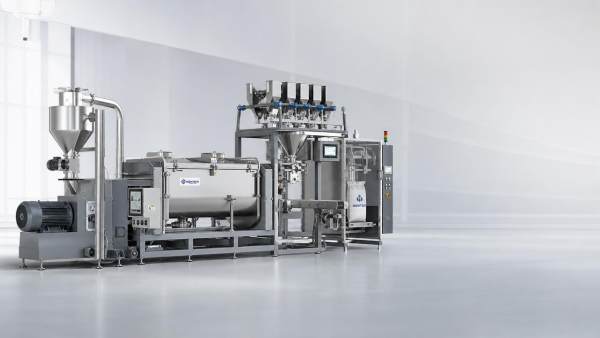
Selecting the right Feed & Grain processing equipment for small batch output is a strategic decision that affects product consistency, operating costs, and future scalability. For business decision-makers, the challenge is balancing compact system design with reliable throughput, automation, and compliance requirements. This article examines which equipment configurations best support small-volume production while preserving efficiency, quality control, and long-term procurement value.
What does small batch Feed & Grain processing equipment really need to deliver?
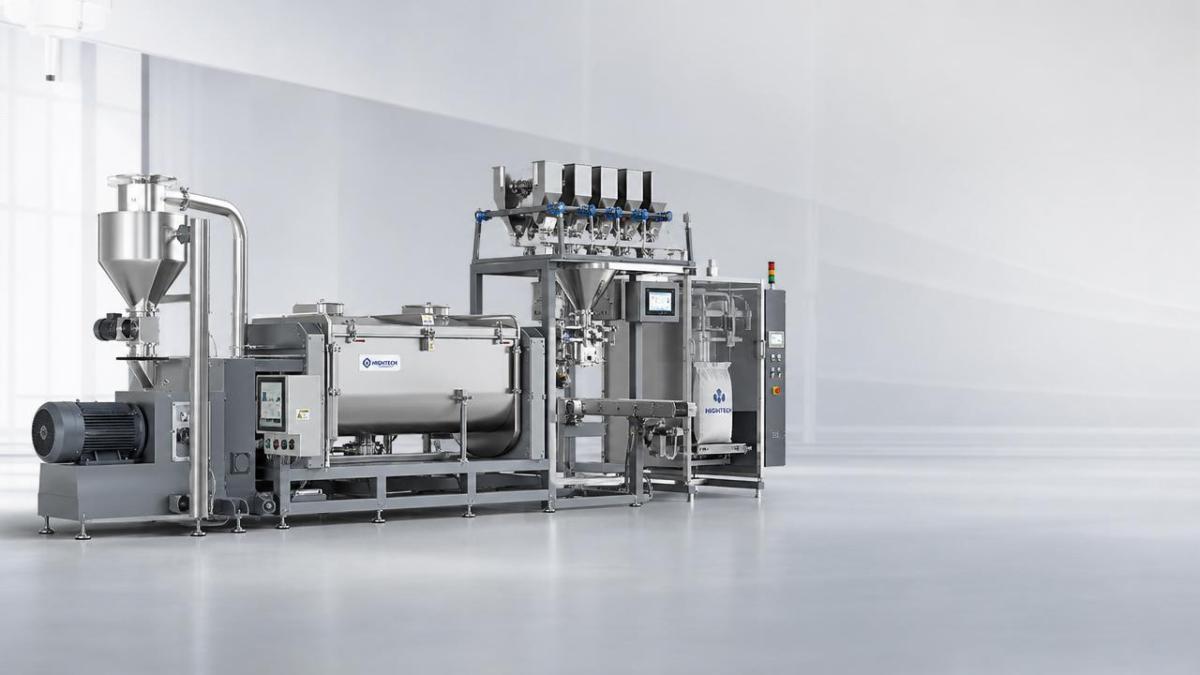
Small batch output does not simply mean buying smaller machines. In Feed & Grain processing equipment, the real issue is maintaining process control at lower volumes without creating waste, downtime, or inconsistent formulations.
For enterprise buyers, this matters most when production involves specialty feed, pilot runs, seasonal grain treatment, contract manufacturing, or new product validation before scale-up. In these cases, oversized lines often damage margins.
A practical small batch system should support precise dosing, stable grinding, uniform mixing, manageable cleaning, and flexible changeovers. It should also leave room for future upgrades, especially if demand becomes less fragmented.
- Batch integrity: each run should hold a repeatable recipe and moisture target, even when lot sizes change.
- Compact footprint: many facilities must fit receiving, milling, mixing, and packing into limited floor area.
- Low residue design: faster cleaning reduces contamination risk between formulations and improves usable operating time.
- Modular expansion: a buyer may start with manual or semi-automatic control and later integrate weighing, pelletizing, or digital monitoring.
ACC regularly tracks how procurement teams in agriculture, bio-processing, and regulated supply chains evaluate equipment. The recurring finding is clear: small batch profitability depends more on system fit than on headline machine capacity.
Which equipment configuration fits different small batch production scenarios?
The best Feed & Grain processing equipment setup changes with raw material behavior, recipe complexity, sanitation demands, and labor availability. The table below helps compare typical configurations used in small-output operations.
This comparison shows that small batch Feed & Grain processing equipment should be selected around process purpose, not just installed horsepower. A milling-and-mixing line may be enough for one operator, while another requires pellet testing and tighter ingredient traceability.
Core machine groups worth evaluating first
Most small-output buyers should start with the machines that define recipe accuracy and product uniformity. These are usually the grinder, mixer, dosing system, and discharge or packing section.
- Grinding unit: choose based on target particle size, heat sensitivity, and raw material hardness.
- Mixing unit: assess batch homogeneity, fill level flexibility, and residue carryover after discharge.
- Ingredient handling: micro-dosing matters when additives, vitamins, or specialty inputs affect formulation value.
- Output section: bagging, bin filling, or pellet discharge should match staffing and packaging needs.
How should decision-makers compare capacity, flexibility, and cost?
Many procurement mistakes occur when buyers compare Feed & Grain processing equipment only on hourly output. In small batch production, useful capacity is the amount produced after setup, cleaning, formulation changes, and quality checks.
The table below highlights the trade-offs that matter more than nominal throughput when evaluating compact processing lines.
This kind of comparison is especially useful for executives balancing budget pressure against product liability, customer specifications, and future growth plans. The lowest purchase price rarely reflects the lowest total operating burden.
A practical decision rule
If product formulas change often, labor is limited, or documentation matters to downstream buyers, a modular semi-automatic line is usually more suitable than a purely manual system. If formulas are stable and raw materials are predictable, a simpler line can still deliver strong value.
Which technical parameters matter most in small-volume Feed & Grain processing equipment?
For small batch output, not every specification deserves equal weight. Decision-makers should focus on the parameters that affect consistency, changeover speed, utility demand, and compliance readiness.
Priority specifications
- Batch size range: the mixer should perform well at both minimum and nominal fill levels, not only at peak load.
- Mixing uniformity: ask how the supplier validates blend consistency and under what operating assumptions.
- Screen and grind flexibility: raw material variability can change particle profile and downstream pelleting behavior.
- Residue rate: low hold-up volume helps when switching between medicated, premium, or allergen-sensitive formulas.
- Power and dust control: utility planning affects installation feasibility, especially in older facilities.
- Control interface: recipe recall, alarm logs, and weighing visibility improve production discipline and audit readiness.
In ACC’s coverage of primary processing sectors, one lesson appears across machinery categories: compact systems succeed when technical specifications align with actual operating behavior, not when brochures emphasize only maximum output.
What procurement risks do buyers often overlook?
Small batch Feed & Grain processing equipment is often purchased under time pressure. That leads teams to focus on delivery dates and quotations while underestimating operating constraints that appear after commissioning.
Common procurement blind spots
- Underestimating cleaning time between recipes, especially when sticky ingredients or fine powders are involved.
- Ignoring spare parts availability for wear items such as hammers, screens, dies, bearings, and seals.
- Buying around peak capacity instead of average daily utilization and actual labor coverage.
- Missing dust collection, explosion risk review, and housekeeping requirements in enclosed processing areas.
- Failing to define acceptance criteria for recipe accuracy, throughput, noise, vibration, and commissioning support.
In regulated or export-oriented environments, documentation also matters. Buyers should confirm material contact surfaces, traceability records, manuals, electrical conformity, and service response expectations before purchase orders are finalized.
A short procurement checklist for executives
- Define target batch sizes, recipe count, and daily changeover frequency.
- Map raw material types, expected moisture range, and any abrasive or heat-sensitive inputs.
- Decide where manual operation is acceptable and where automation is financially justified.
- Request utility load, maintenance intervals, and critical spare parts lists.
- Review installation, training, commissioning, and after-sales support in the same decision package.
How do compliance and traceability affect equipment selection?
Feed and grain operations increasingly face customer audits, environmental controls, and documentation demands. Even when a small batch line is not part of a highly regulated pharmaceutical process, procurement teams still benefit from stronger traceability and sanitation discipline.
The table below outlines common compliance considerations that influence Feed & Grain processing equipment decisions across industrial procurement environments.
ACC’s strength lies in connecting machinery selection with broader compliance and supply chain realities. That perspective is important for decision-makers who purchase across agriculture, chemicals, ingredients, or adjacent primary industries where operational accountability is rising.
Are modular systems better than standalone machines for future growth?
In many cases, yes. A modular Feed & Grain processing equipment strategy often protects capital better than buying isolated machines without a clear integration plan. The value lies in phased expansion rather than immediate overinvestment.
When modular design makes sense
- You expect formula count to grow over the next two to three years.
- You may add pelletizing, screening, liquid addition, or automated packaging later.
- Your customer base requires better records, lot separation, or customized feed development.
- Facility layout allows staged installation but not a full replacement shutdown in the future.
Standalone machines still have a place, particularly for on-farm use, narrow recipe portfolios, or early-stage operations. However, buyers should verify whether controls, mechanical interfaces, and dust management can support later additions without major redesign.
FAQ: what do buyers ask most about small batch Feed & Grain processing equipment?
How small can a batch be without losing mixing quality?
That depends on mixer geometry and fill ratio. Buyers should ask for the effective minimum batch range, not just the nominal capacity. A system that mixes well only near full load may perform poorly in specialty or pilot production.
Is a pellet mill necessary for small batch output?
Not always. If the business sells mash feed, test blends, or intermediate products, milling and mixing may be enough. A small pellet mill becomes relevant when product format, transport stability, or premium feed positioning requires it.
What should be prioritized: automation or lower capital cost?
If recipes are simple and labor is reliable, lower automation can work. If batches change often, high-value additives are used, or traceability matters to customers, automation usually pays back through consistency, reduced error, and better documentation.
How long does a small batch equipment project usually take?
Lead time varies by customization level, electrical scope, and site readiness. Buyers should separate manufacturing lead time from civil preparation, installation, utility connection, testing, and operator training. Those stages often drive the real project timeline.
Why work with ACC when evaluating Feed & Grain processing equipment?
Business decision-makers rarely need more sales language. They need structured intelligence that connects equipment choice with formulation risk, operational economics, compliance pressure, and supplier credibility. That is where AgriChem Chronicle adds value.
ACC serves procurement leaders across agricultural machinery, biochemical processing, aquaculture systems, ingredient production, and feed operations. This cross-sector perspective helps buyers compare technical claims, identify hidden cost drivers, and ask stronger supplier questions before commitment.
- Parameter confirmation: clarify batch size, mixing scope, grinding needs, and expansion limits.
- Product selection support: compare compact lines, modular systems, and process-specific machine combinations.
- Delivery planning: evaluate manufacturing lead time, installation sequence, and commissioning expectations.
- Compliance review: discuss traceability, sanitation, dust control, and documentation requirements.
- Commercial alignment: prepare for quotation review, scope definition, and supplier comparison with fewer blind spots.
If your team is assessing Feed & Grain processing equipment for small batch output, ACC can help frame the right questions around system design, procurement priorities, customization paths, and operational fit. That makes supplier discussions more precise and capital decisions more defensible.
Related Intelligence
- Commercial Feed PelletFeed Production System Price Trends: Cost Drivers and Budgeting for New LinesFeed production systems price trend insights: compare cost drivers, automation, utilities, compliance, and total ownership costs to budget smarter for new feed lines.
- Commercial Feed PelletHow to Troubleshoot Common Feed Machinery BreakdownsHow to troubleshoot common feed machinery breakdowns with practical checks for blockages, pellet mills, mixers, motors, and preventive maintenance.
- Commercial Feed PelletHow Can Feed Pellet Quality Be Kept Consistent Across Batches?Learn how to ensure feed pellet quality consistency across batches with proven controls for ingredients, conditioning, milling, cooling, testing, and traceable process data.
The Morning Broadsheet
Daily chemical briefings, market shifts, and peer-reviewed summaries delivered to your terminal.
