

The Authority in Global Agricultural Chemistry & Bio-Resources
Where Feed and Grain Processing Technology Delivers Payback Faster
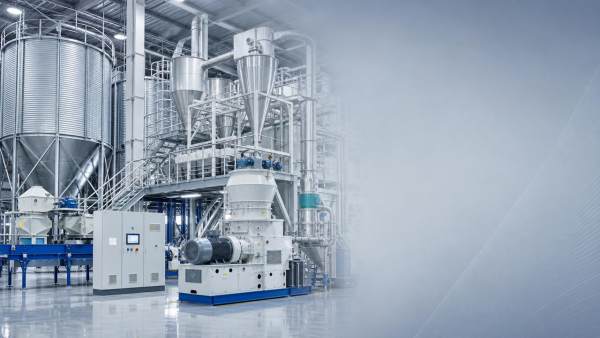
For financial decision-makers, Feed & Grain processing technology is no longer just an operational upgrade—it is a measurable driver of faster payback, lower waste, and stronger margin control.
As input costs rise and compliance tightens, capital allocation now depends on visible return windows. The question is not whether to modernize, but where Feed & Grain processing technology pays back fastest.
Why payback timelines in Feed & Grain processing technology are shortening
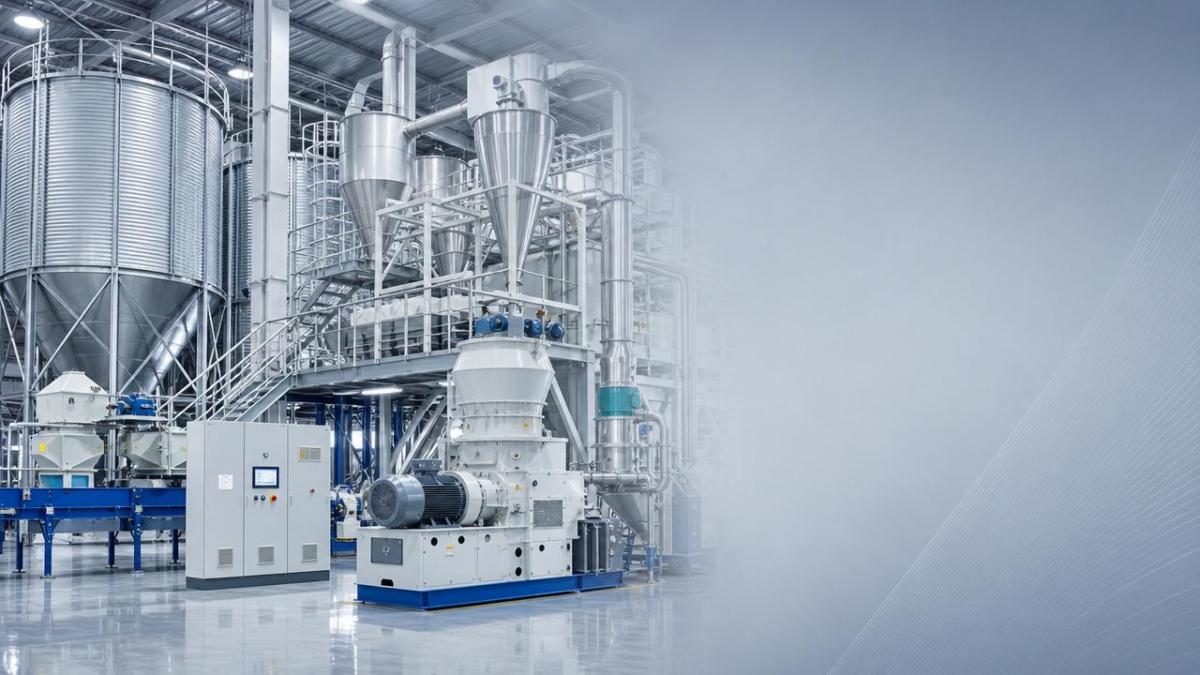
The economics of grain handling have changed. Energy volatility, labor shortages, and ingredient variability are exposing inefficiencies that older systems once masked.
That shift makes targeted Feed & Grain processing technology investments easier to justify. Savings now appear in multiple lines at once, not only in production volume.
A modern upgrade may reduce shrink, improve batching accuracy, stabilize moisture, and limit unplanned downtime. Each effect is modest alone, but together they compress payback periods.
This is especially true in integrated operations where receiving, storage, grinding, mixing, pelleting, and loadout affect each other. One bottleneck removed can unlock value across the entire chain.
The strongest market signals behind current investment decisions
Several trend signals explain why Feed & Grain processing technology is moving higher on capital agendas across primary processing and adjacent industrial sectors.
- Raw material inconsistency is increasing correction costs during grinding, dosing, and conditioning.
- Utility prices are making motors, dryers, and thermal systems more visible in profit analysis.
- Traceability expectations now extend beyond food safety into supplier validation and audit readiness.
- Throughput pressure is rising as facilities seek more output without major footprint expansion.
- Digital controls are reducing reliance on manual adjustments and improving process repeatability.
These pressures favor technologies that solve measurable operating pain quickly. Fast payback usually comes from efficiency, consistency, or risk reduction that can be tracked month by month.
Where Feed & Grain processing technology delivers the fastest return
Not every upgrade performs equally. The quickest wins usually come from areas where waste, downtime, or variability are already expensive.
1. Grinding and particle size control
Grinding often offers one of the clearest cases for Feed & Grain processing technology payback. Particle uniformity affects digestibility, mixing quality, pellet durability, and energy draw.
Upgrades such as variable frequency drives, smarter screen management, and automated gap adjustment can reduce over-grinding and lower kilowatt use per ton.
2. Batching, dosing, and formulation accuracy
Small deviations in micro-ingredient dosing create expensive formulation drift. Better weighing systems and control software can reduce giveaway and improve compliance documentation.
In operations with high-value additives, this part of Feed & Grain processing technology can generate savings without increasing tonnage at all.
3. Pelleting and conditioning efficiency
Pellet mills consume significant energy and wear components quickly. Better steam conditioning, die selection, and automated controls improve pellet quality while reducing rework and maintenance interruptions.
When pellet durability rises, downstream fines fall. That means less waste in transport, cleaner handling, and more saleable output.
4. Storage, moisture management, and dust control
Losses in storage are easy to underestimate. Moisture imbalance, spoilage risk, and dust accumulation quietly erode margins and elevate safety exposure.
Monitoring systems, aeration controls, and dust collection upgrades represent Feed & Grain processing technology investments that often pay back through avoided loss rather than higher production.
What is driving the economics of faster payback
The current return profile is being shaped by a combination of cost pressure and operational transparency.
This explains why Feed & Grain processing technology is increasingly evaluated as a margin defense tool, not just a plant modernization project.
How these shifts affect different business functions
The value of Feed & Grain processing technology appears differently across the operating model. Financial impact is broad, even when investment begins in one process area.
- Production gains from steadier throughput and fewer stoppages.
- Quality teams benefit from more consistent output and cleaner audit trails.
- Maintenance teams gain better visibility into wear patterns and service timing.
- Commercial planning improves when yield and cost forecasts become more reliable.
- Risk management strengthens through dust mitigation, traceability, and process control.
In broader industrial settings, these effects matter beyond feed mills. Grain-based ingredient processing, bio-based inputs, and primary agricultural transformation all rely on similar control points.
What deserves the closest attention before approving capital
Fast return depends on selecting the right baseline and the right metric. A promising project can underperform if the business case is too narrow.
- Measure current loss sources separately: energy, giveaway, downtime, fines, shrink, and maintenance.
- Check where process variability creates repeat costs instead of one-time losses.
- Prioritize systems that improve both efficiency and reporting transparency.
- Compare retrofit options against full replacement using lifecycle cost, not sticker price.
- Evaluate how a single upgrade affects upstream and downstream performance.
- Include training, controls integration, and maintenance readiness in the payback model.
These checkpoints help identify whether Feed & Grain processing technology will create immediate savings or only theoretical efficiency.
A practical way to judge the next move
A disciplined response does not require a full plant overhaul. In many cases, the strongest approach is phased investment with clear validation gates.
- Audit one constrained line or process segment first.
- Quantify baseline performance for energy, throughput, loss, and quality variation.
- Select one Feed & Grain processing technology upgrade tied to a measurable bottleneck.
- Track results for a defined cycle using monthly operating data.
- Scale only after the first return assumptions are proven.
This method reduces capital risk while building internal evidence for wider modernization. It also creates a stronger narrative for future budget approvals.
In today’s operating environment, Feed & Grain processing technology pays back fastest where inefficiency is already measurable, recurring, and connected to core margin drivers.
The next useful step is simple: map the most expensive source of process loss, align it with one targeted upgrade, and test return with disciplined data. That is where faster payback begins.
Related Intelligence
- Commercial Feed PelletFeed Production System Price Trends: Cost Drivers and Budgeting for New LinesFeed production systems price trend insights: compare cost drivers, automation, utilities, compliance, and total ownership costs to budget smarter for new feed lines.
- Commercial Feed PelletHow to Troubleshoot Common Feed Machinery BreakdownsHow to troubleshoot common feed machinery breakdowns with practical checks for blockages, pellet mills, mixers, motors, and preventive maintenance.
- Commercial Feed PelletHow Can Feed Pellet Quality Be Kept Consistent Across Batches?Learn how to ensure feed pellet quality consistency across batches with proven controls for ingredients, conditioning, milling, cooling, testing, and traceable process data.
The Morning Broadsheet
Daily chemical briefings, market shifts, and peer-reviewed summaries delivered to your terminal.
