

The Authority in Global Agricultural Chemistry & Bio-Resources
Feed and Grain Processing Equipment That Cuts Downtime, Not Output
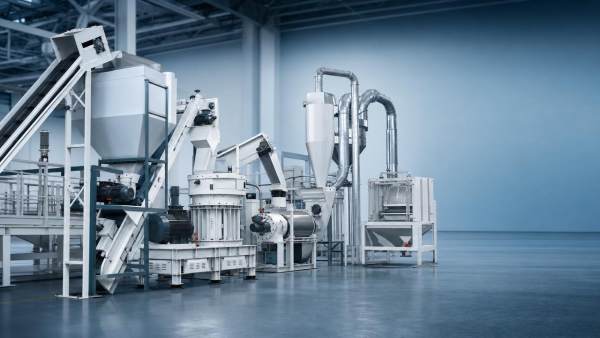
For project managers and engineering leads, every hour of unplanned downtime can disrupt throughput, budgets, and delivery commitments.
Modern Feed & Grain processing equipment is no longer judged by output alone, but by how reliably it keeps lines running under demanding production conditions.
This article explains what causes stoppages, how better equipment design lowers risk, and which evaluation points matter before upgrades or retrofits begin.
What makes Feed & Grain processing equipment downtime so costly?
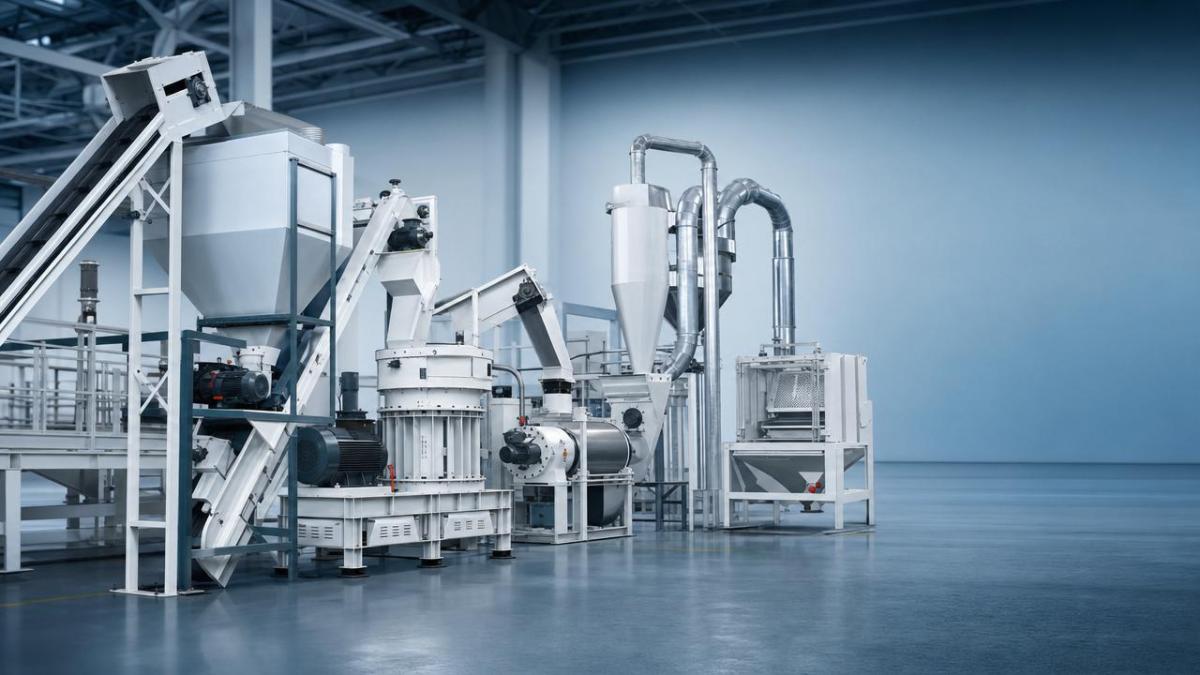
Downtime affects more than a single machine. It can interrupt receiving, grinding, batching, pelleting, cooling, screening, storage, and final dispatch.
When one conveyor, hammer mill, or pellet press fails, upstream material builds up and downstream stations sit idle.
In many facilities, the real cost includes overtime, utility waste, rework, quality variation, and missed shipment windows.
Feed & Grain processing equipment must therefore support stable uptime, not only nameplate capacity under ideal conditions.
Hidden losses often come from restart cycles. Warm-up, cleaning, recalibration, and line balancing can consume more time than the failure itself.
This is especially relevant where recipes change often or moisture levels vary between raw material lots.
A resilient system reduces exposure by preventing minor mechanical issues from becoming full production stoppages.
Common downtime triggers
- Bearing wear caused by dust, heat, or lubrication errors
- Blockages in augers, elevators, chutes, and aspiration lines
- Screen, die, or hammer wear reducing throughput consistency
- Sensor faults that trigger unnecessary shutdowns
- Poor system integration between PLC, drives, and safety interlocks
How does smarter equipment design reduce stoppages without lowering output?
The best Feed & Grain processing equipment balances throughput with maintainability, access, component life, and process control.
A high-capacity machine that requires frequent shutdowns can underperform a slightly smaller unit with better reliability.
Design features matter because they shape daily operating behavior, service time, and failure frequency.
Key design features that protect uptime
Quick-access doors shorten inspections and cleaning tasks. Tool-less change parts reduce downtime during recipe changes or wear part replacement.
Self-aligning drives and robust shaft sealing help control vibration, dust ingress, and premature mechanical wear.
Variable frequency drives support smoother starts, controlled feed rates, and lower stress on motors and transmissions.
Load monitoring and temperature sensing can detect developing issues before a shutdown becomes unavoidable.
Modular layouts also improve resilience. If one section needs service, adjacent units may continue operating in partial production mode.
For dust-intensive operations, proper aspiration and filtration are not optional. They influence safety, cleanliness, and component longevity.
Why maintenance access matters
Many lines lose output because technicians need excessive time to reach belts, screens, rollers, or seals.
Feed & Grain processing equipment with clear service points reduces mean time to repair and lowers restart delays.
Which Feed & Grain processing equipment choices matter most during specification?
Selection should begin with material behavior, not brochure capacity. Grain hardness, moisture, fat content, dust load, and recipe variation all influence reliability.
Equipment that performs well with dry corn may respond differently with soybean meal, additives, or mixed formulations.
A practical specification process compares operating conditions, maintenance demand, energy use, and spare part availability.
Specification checklist
- Rated throughput under real material conditions, not test-only conditions
- Wear life of dies, screens, liners, chains, and bearings
- Ease of sanitation and changeover between formulations
- Compatibility with existing control architecture and plant utilities
- Availability of local service, training, and critical spares
Energy efficiency should also be reviewed carefully. Lower power draw is valuable, but unstable operation can erase those savings quickly.
The strongest Feed & Grain processing equipment choice is usually the one that preserves output across variable operating conditions.
Comparison table for evaluation
What maintenance strategy keeps Feed & Grain processing equipment running longer?
Reactive maintenance is expensive because failures rarely happen at convenient times. Planned maintenance lowers risk and improves production predictability.
The most effective programs combine routine inspection, condition monitoring, operator checks, and stocked critical spares.
Feed & Grain processing equipment benefits from maintenance schedules tied to operating hours, load patterns, and material abrasiveness.
Practical maintenance priorities
- Track vibration, temperature, and motor current on critical assets.
- Inspect transfer points for buildup before blockages appear.
- Standardize lubrication intervals and lubricant grades.
- Replace wear parts using measured condition, not guesswork.
- Review stoppage records monthly to identify repeat causes.
Operator observations should not be underestimated. Unusual noise, reduced flow, and inconsistent pellet quality often appear before mechanical failure.
Digital monitoring adds value, but only when alarm thresholds are tuned to the process rather than copied from generic defaults.
What mistakes increase downtime during upgrades or line expansion?
One common mistake is replacing a single bottleneck machine without checking the rest of the line.
Faster equipment can overload conveyors, bins, coolers, or dust systems if balance calculations are incomplete.
Another error is focusing only on purchase price. Lower initial cost may mean higher service intervals and more unplanned stoppages later.
Feed & Grain processing equipment upgrades should include controls review, utility checks, civil fit, access planning, and commissioning support.
Risk reminders before implementation
- Do not assume existing foundations will accept new dynamic loads.
- Do not overlook startup training and maintenance documentation.
- Do not treat automation tuning as a minor post-install task.
- Do not delay spare part planning until after commissioning.
Short shutdown windows demand careful sequencing. Preassembly, factory acceptance testing, and clear cutover plans can reduce startup disruption significantly.
How can facilities judge ROI from more reliable Feed & Grain processing equipment?
Return on investment should include avoided downtime, lower labor waste, reduced scrap, and better schedule adherence.
A machine with higher capital cost may produce better financial results if it lowers stoppages and stabilizes overall line performance.
Useful metrics include OEE, mean time between failures, mean time to repair, spare part consumption, and energy per ton processed.
Feed & Grain processing equipment ROI also improves when standardized components reduce inventory complexity across multiple lines.
FAQ summary table
Reliable Feed & Grain processing equipment supports productivity by reducing interruptions before they spread across the plant.
The most effective path is a combination of smarter design, realistic specification, disciplined maintenance, and careful integration planning.
Review current stoppage logs, map repeat failure points, and compare them against equipment access, wear patterns, and controls behavior.
That step creates a practical foundation for selecting Feed & Grain processing equipment that cuts downtime, not output.
Related Intelligence
- Milling MachineryGrain Processing in Singapore: Import Dependence and Value-Add OpportunitiesGrain processing Singapore: explore import dependence, high-value processing opportunities, supply-chain resilience, and regional growth strategies for food and feed businesses.
- Milling MachineryGrain Processing Global Market: Demand Drivers, Capacity, and Trade RisksGrain processing global market insights on demand drivers, capacity economics, co-products, and trade risks—discover resilient investment opportunities.
- Milling MachineryAre Third-Party Auditors Necessary When Buying Grain Machinery?Is it necessary to hire third party auditors for grain machinery? Discover when independent inspections reduce risk, verify compliance, and protect your investment.
The Morning Broadsheet
Daily chemical briefings, market shifts, and peer-reviewed summaries delivered to your terminal.
