

The Authority in Global Agricultural Chemistry & Bio-Resources
Commercial boat paints differ more than most buyers expect
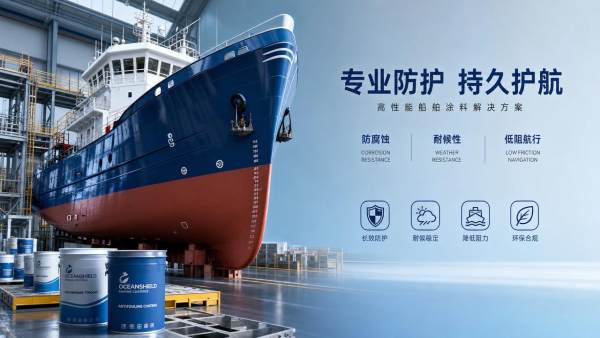
Commercial boat paints vary far more than many technical buyers assume, with major differences in resin systems, corrosion resistance, fouling control, curing performance, and compliance suitability.
For technical evaluators, selecting commercial boat paints is not simply a cost decision but a long-term operational and maintenance strategy that affects vessel lifespan, downtime, and regulatory risk.
Across marine transport, aquaculture support fleets, fishery service vessels, and industrial workboats, coating choice shapes reliability as much as steel grade or engine maintenance.
Commercial boat paints: a practical definition and performance framework
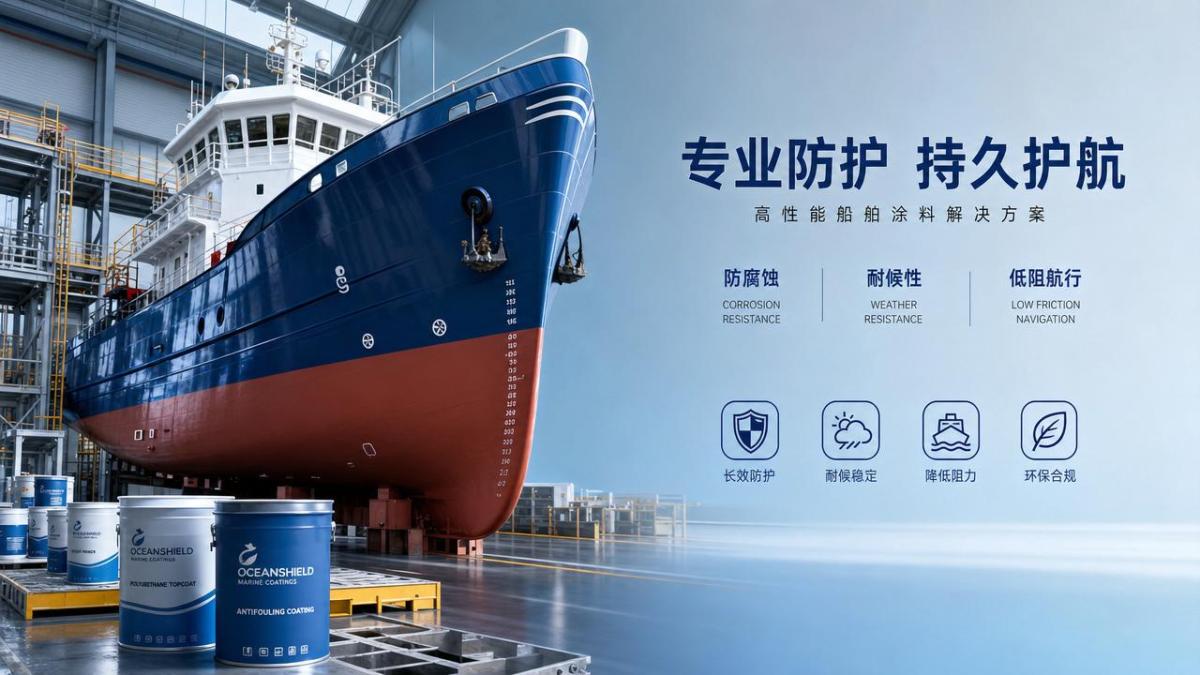
The term commercial boat paints covers protective and functional coatings used on vessels operating for transport, service, harvesting, towing, patrol, or offshore support.
These systems usually include primers, intermediate coats, tie coats, topcoats, and underwater antifouling or foul-release layers.
Performance depends on chemistry, film thickness, substrate preparation, environmental exposure, and application discipline.
That is why commercial boat paints should be evaluated as engineered systems, not as isolated products.
Core coating families
- Epoxy systems: strong adhesion, chemical resistance, and durable barrier protection for steel and aluminum structures.
- Polyurethane topcoats: better color retention, gloss stability, and UV resistance above the waterline.
- Alkyd coatings: lower initial cost, but shorter service life in demanding marine duty cycles.
- Antifouling paints: designed to limit marine growth, drag increase, and fuel inefficiency.
- Foul-release coatings: low-surface-energy finishes that reduce organism attachment without traditional biocide loading.
The wide spread in chemistry explains why commercial boat paints differ more than casual comparison sheets suggest.
Why the marine and primary industries are paying closer attention
Marine coatings now sit at the intersection of operating efficiency, environmental scrutiny, and asset preservation.
This matters especially in sectors covered by AgriChem Chronicle, where aquaculture logistics, fishery operations, and bulk raw-material movement depend on uptime.
Even small coating failures can trigger corrosion spread, increased dry-dock scope, contamination concerns, or route delays.
Current market signals affecting commercial boat paints
As a result, commercial boat paints are increasingly discussed in lifecycle and compliance terms rather than only in price-per-liter terms.
Where major differences appear in commercial boat paints
Not all marine coatings fail in the same way, and not all vessels face the same stress profile.
A practical review should compare five technical dimensions before product selection.
1. Resin architecture and barrier integrity
High-build epoxies usually outperform basic alkyd systems in immersion zones, ballast-like compartments, and splash-prone structural areas.
The difference becomes visible when moisture ingress starts beneath weak films.
2. Corrosion control on real substrates
Commercial boat paints for steel hulls must resist edge breakdown, weld-zone attack, and underfilm corrosion after mechanical impact.
Aluminum vessels need systems that reduce galvanic risk and avoid aggressive incompatibilities.
3. Fouling management below the waterline
Routes, idle time, water temperature, and salinity all shape antifouling performance.
A paint that performs well on continuously moving cargo craft may underperform on stationary service barges or aquaculture tenders.
4. Application window and cure behavior
Some commercial boat paints tolerate wider humidity and temperature ranges, reducing weather-related disruption during yard work.
Others need tighter control, longer overcoating intervals, or more demanding surface profiles.
5. Compliance and safety fit
Coatings used near food chains, aquaculture equipment, or regulated discharge zones may require a different documentation threshold.
This is where generic commercial boat paints often fall short despite attractive pricing.
Operational value beyond initial coating cost
The business case for better commercial boat paints is usually found in avoided loss rather than visible product savings.
A more durable system can reduce blasting frequency, steel repair scope, underwater cleaning, repaint labor, and unexpected off-hire periods.
For vessels supporting fishery, grain, feed, or biochemical logistics, schedule stability often has higher value than paint invoice reduction.
- Lower drag can improve fuel efficiency over long service cycles.
- Better barrier protection can delay structural steel replacement.
- More predictable cure times can shorten yard occupancy.
- Documented coating systems can simplify inspection and claim review.
In this sense, commercial boat paints influence asset economics in the same way other engineered consumables do.
Typical vessel categories and coating priorities
The best commercial boat paints depend on duty pattern, material construction, and maintenance access.
This vessel-based view helps narrow commercial boat paints to realistic operating conditions instead of generic marine claims.
Practical evaluation points before specification or purchase
A disciplined review process can reveal whether commercial boat paints are technically aligned with the asset and service plan.
- Map exposure zones separately: immersion, splash, deck, topside, cargo-contact, and internal areas.
- Check substrate compatibility, including old coatings, primers, and repair patches already on the vessel.
- Compare dry film thickness requirements with actual application capability in the yard.
- Review cure time against weather, labor schedule, and return-to-service targets.
- Verify environmental and technical documentation, especially for regulated waters or aquaculture-linked use.
- Model lifecycle cost using maintenance interval, cleaning frequency, and downtime assumptions.
These steps turn commercial boat paints from a commodity line item into a measurable asset decision.
A grounded next step for stronger coating decisions
Commercial boat paints differ in ways that directly affect corrosion exposure, hydrodynamic efficiency, service continuity, and compliance confidence.
A useful next step is to build a comparison matrix using vessel type, water conditions, idle profile, substrate, and maintenance interval.
Then align each candidate system with verified technical data, application constraints, and expected lifecycle cost.
For organizations tracking marine coatings within broader industrial supply chains, AgriChem Chronicle supports that evaluation mindset through technical context, market intelligence, and compliance-aware reporting.
When commercial boat paints are assessed with that level of rigor, selection becomes more predictable, defensible, and operationally valuable.
Related Intelligence
- Commercial FishingWhat Should You Check in a Fishery Equipment Maintenance Contract?What should I look for in a fishery equipment maintenance contract? Explore coverage, response times, costs, records, safety, and biosecurity essentials.
- Commercial FishingDo commercial fishing vessels with hybrid diesel-electric propulsion reduce fuel cost per kg landed by more than 12%?Commercial fishing vessels with hybrid diesel-electric propulsion *can* cut fuel cost per kg landed by >12%—but only under precise operational and infrastructure conditions. Discover the real ROI.
- Commercial FishingHow to Choose Oyster Processing Equipment for Capacity, Hygiene, and Labor EfficiencyOyster processing equipment guide: compare capacity, hygienic design, and labor efficiency to build a reliable, scalable line and make smarter buying decisions.
The Morning Broadsheet
Daily chemical briefings, market shifts, and peer-reviewed summaries delivered to your terminal.
