

The Authority in Global Agricultural Chemistry & Bio-Resources
How to compare agri & forestry machinery manufacturers
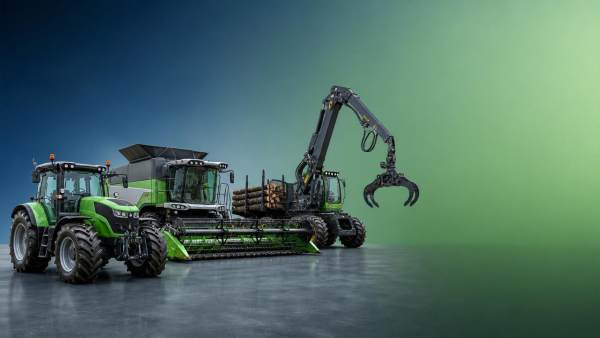
Choosing among Agri & Forestry machinery manufacturers requires structured evaluation, not a simple catalog scan. Price matters, but quality systems, engineering depth, compliance history, spare parts support, and production stability often matter more over the full equipment lifecycle.
This guide explains how to compare Agri & Forestry machinery manufacturers using practical criteria. It helps decision-making by focusing on measurable factors, risk signals, and long-term performance in global sourcing environments.
What should be compared first when reviewing Agri & Forestry machinery manufacturers?
Start with the manufacturer’s core capability. A strong website or broad product list does not prove reliable industrial output. The first comparison should test manufacturing reality against marketing claims.
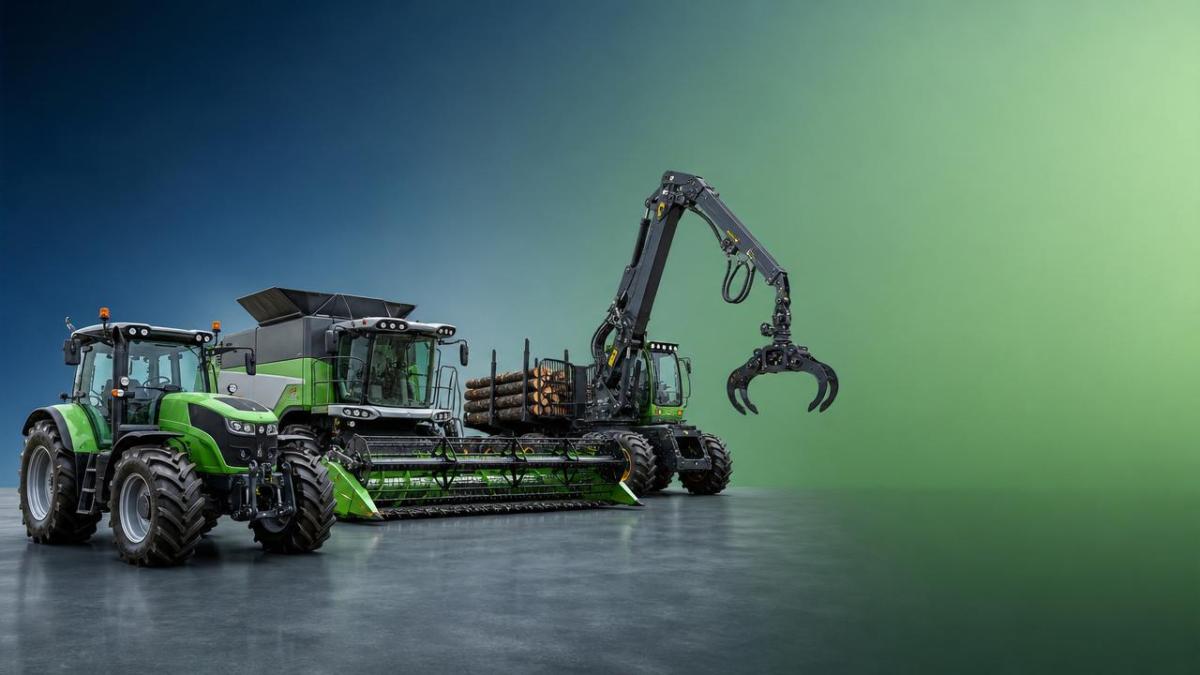
Check whether the company designs equipment in-house or mainly assembles outsourced parts. Original engineering capability usually supports better customization, documentation, and product consistency.
Review these early checkpoints:
- Years of operation in agricultural and forestry machinery
- Factory scale and annual production capacity
- Main equipment categories and specialization depth
- Export history and destination markets
- Availability of technical drawings, manuals, and test records
A manufacturer focused on harvesters, tractors, mulchers, or log handling systems may outperform a broad supplier with limited expertise in each segment. Specialization often improves durability and field performance.
When comparing Agri & Forestry machinery manufacturers, request model-specific data. General brochures rarely reveal axle load ratings, hydraulic specifications, engine integration, or wear component quality.
How do quality standards and compliance affect manufacturer comparison?
Compliance is a major filter. Machinery used in primary industries must meet safety, emissions, and technical documentation requirements that vary by region and application.
Look for evidence of formal quality systems such as ISO 9001. Depending on market destination, ask about CE marking, EPA-related engine conformity, or other local certification pathways.
Reliable Agri & Forestry machinery manufacturers should provide:
- Quality inspection procedures for incoming materials
- Welding and fabrication control records
- Paint, corrosion, and surface treatment standards
- Functional testing before shipment
- Serial traceability for major components
Compliance also includes supplier chain transparency. Engines, hydraulics, bearings, electronic controllers, and gearboxes should come from known sources with stable traceability.
A warning sign appears when documentation changes across quotations, manuals, and labels. Inconsistent data may indicate weak process control or limited familiarity with regulated export markets.
How can technology, design, and field performance be compared fairly?
A fair comparison goes beyond horsepower or cutting width. The real question is how efficiently the machine performs under actual agricultural or forestry conditions.
Compare engineering details that affect uptime. These include hydraulic system layout, cooling performance, chassis strength, transmission matching, fuel efficiency, and ease of maintenance access.
For advanced equipment, ask whether the manufacturer supports telematics, GPS guidance, variable-rate applications, sensor packages, or remote diagnostics. These features can improve fleet visibility and service speed.
Not every buyer needs the highest digital integration. However, when comparing Agri & Forestry machinery manufacturers, technology readiness is a strong indicator of engineering maturity.
Useful field-performance questions
- What operating conditions were used during endurance testing?
- Which components are considered wear parts, and how long do they last?
- Can the machine handle rough terrain, wet soil, or heavy timber loads?
- How long does routine maintenance take per service interval?
- Are spare blades, belts, seals, or filters standardized?
Request videos, test reports, or customer case references from similar climates and workloads. A machine that works well in one region may not perform equally in another.
What separates dependable support from weak after-sales promises?
After-sales quality is often the difference between a productive asset and costly downtime. Some suppliers promise fast service, but lack stock, training, or clear warranty execution.
Strong Agri & Forestry machinery manufacturers usually offer structured support across documentation, installation, operator guidance, and replacement parts planning.
Evaluate support by asking for:
- Warranty terms with clear exclusions and claim process
- Recommended spare parts list for one year of operation
- Service response time for urgent technical issues
- Training materials for operators and maintenance teams
- Parts warehousing strategy for export markets
The best support programs are proactive. They include preventive maintenance schedules, digital manuals, troubleshooting trees, and parts coding that reduces ordering errors.
If a supplier cannot explain how it handles breakdown cases across borders, service reliability may be weaker than the quotation suggests.
How should cost, lead time, and supply risk be weighed together?
The lowest unit price rarely equals the best value. Comparison should include total ownership cost, delivery predictability, consumables, and the financial impact of lost operating days.
A disciplined review of Agri & Forestry machinery manufacturers should examine both direct and indirect cost drivers.
Lead time deserves special attention in seasonal industries. Missing a planting, harvesting, thinning, or logging window can cost far more than any initial purchase discount.
It is also useful to compare payment terms against manufacturing milestones. A transparent supplier can explain deposit use, inspection timing, and final release conditions.
What common mistakes distort comparisons between Agri & Forestry machinery manufacturers?
One common mistake is comparing unlike specifications. Machines may look similar, but differ in steel grade, hydraulic brand, tire type, electronics, or service package.
Another mistake is overvaluing catalog range. Some Agri & Forestry machinery manufacturers list many models, yet produce only a few consistently at industrial quality.
Avoid these frequent errors:
- Accepting vague warranty language
- Skipping verification of component origin
- Ignoring shipping dimensions and assembly requirements
- Relying only on sales presentations
- Failing to score suppliers with the same checklist
A simple scoring matrix helps maintain objectivity. Assign weighted values to quality, compliance, field performance, lead time, service support, and commercial transparency.
Quick FAQ comparison table
Comparing Agri & Forestry machinery manufacturers works best when every supplier is reviewed against the same technical, commercial, and service standards. That approach reveals real capability, not just polished presentation.
Build a shortlist, request evidence for each critical claim, and score suppliers using weighted criteria. Clear comparison reduces risk, improves lifecycle value, and supports more confident equipment decisions.
For deeper market intelligence on agricultural and industrial equipment sourcing, use verified technical reports, supplier assessments, and compliance-focused industry analysis before moving to final negotiations.
Related Intelligence
- Forestry EquipmentChoosing Compact Forestry Machinery for Small Woodlots and Narrow AccessChoose compact forestry machinery that fits small woodlots and narrow access. Compare payload, turning clearance, safety, and running costs to find the right machine for your site.
- Forestry EquipmentAre PTO driven wood chipper vibration levels within ISO 5349-1 hand-arm exposure limits for forestry crews?PTO driven wood chipper vibration often exceeds ISO 5349-1 limits—discover real-world data, actionable mitigation strategies, and how to protect forestry crews now.
- Forestry EquipmentSelecting Timber Processing Equipment for Middle East Heat, Dust, and Wood SpeciesTimber processing equipment for Middle East operations: discover how to select heat-resistant, dust-protected, species-matched systems for reliable output and lower downtime.
The Morning Broadsheet
Daily chemical briefings, market shifts, and peer-reviewed summaries delivered to your terminal.
